Leading carpet brands combine craftsmanship, material expertise and modern design. From Bauhaus inspired geometry to contemporary textile innovation, designer rug manufacturers shape the language of modern interiors through structure, color and form.
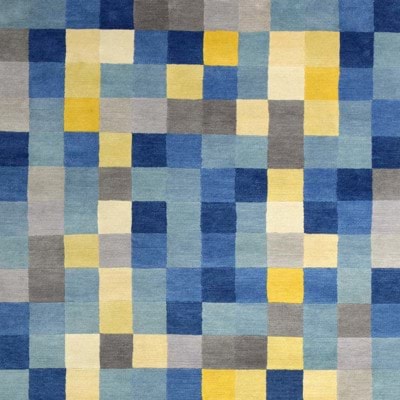
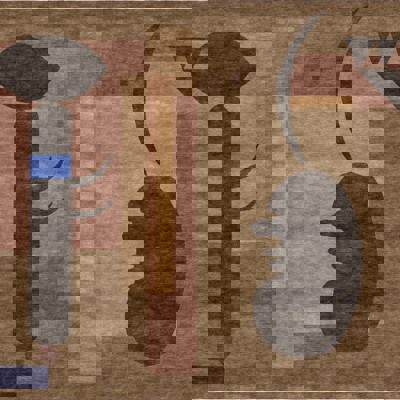
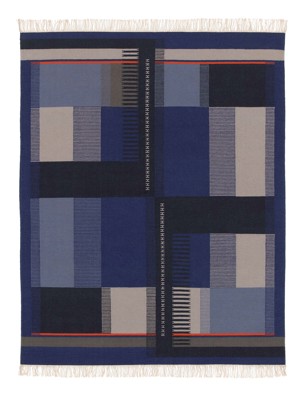
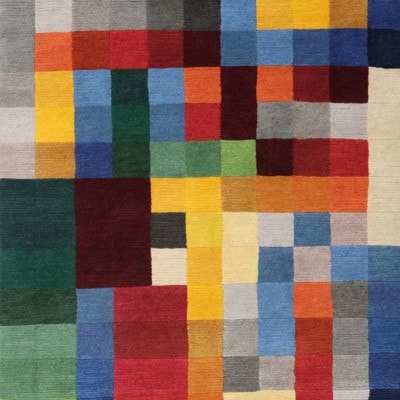
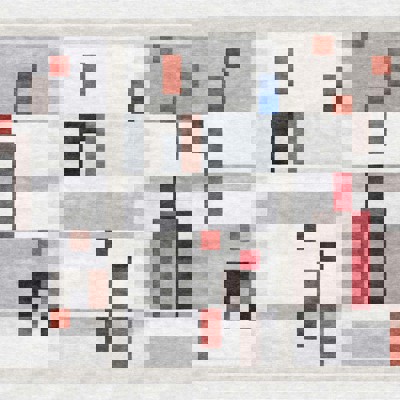
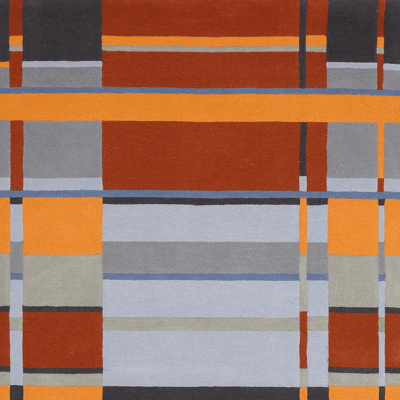
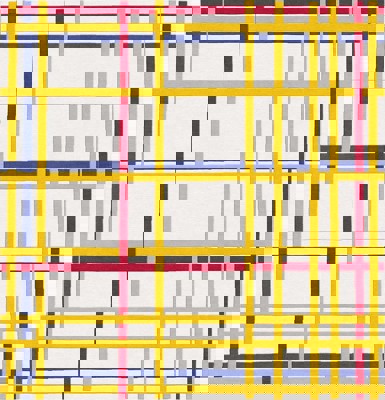
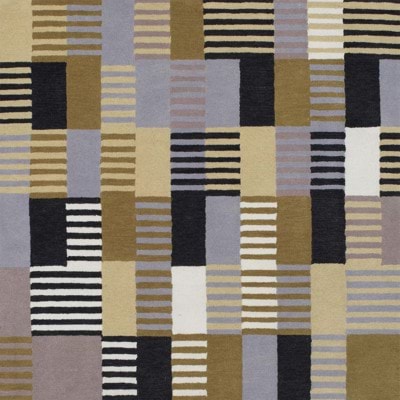
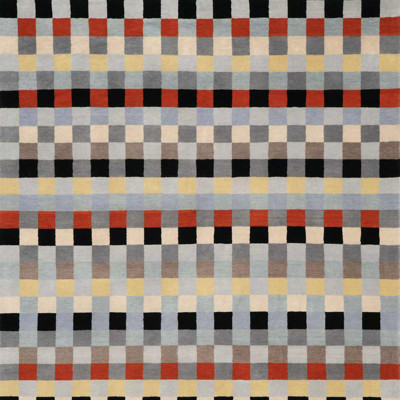
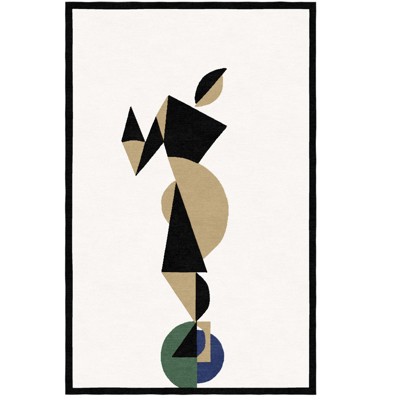
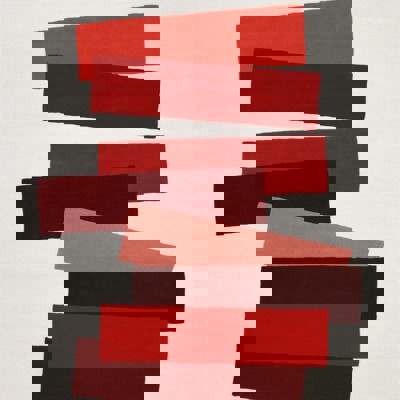
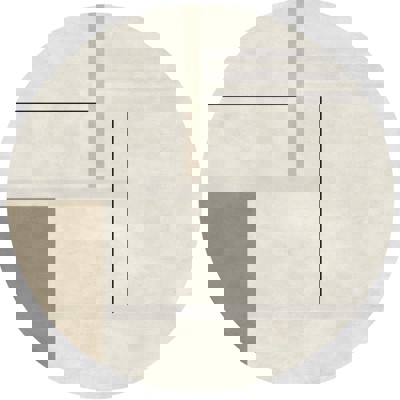
Gertrud Arndt Rug No. 2
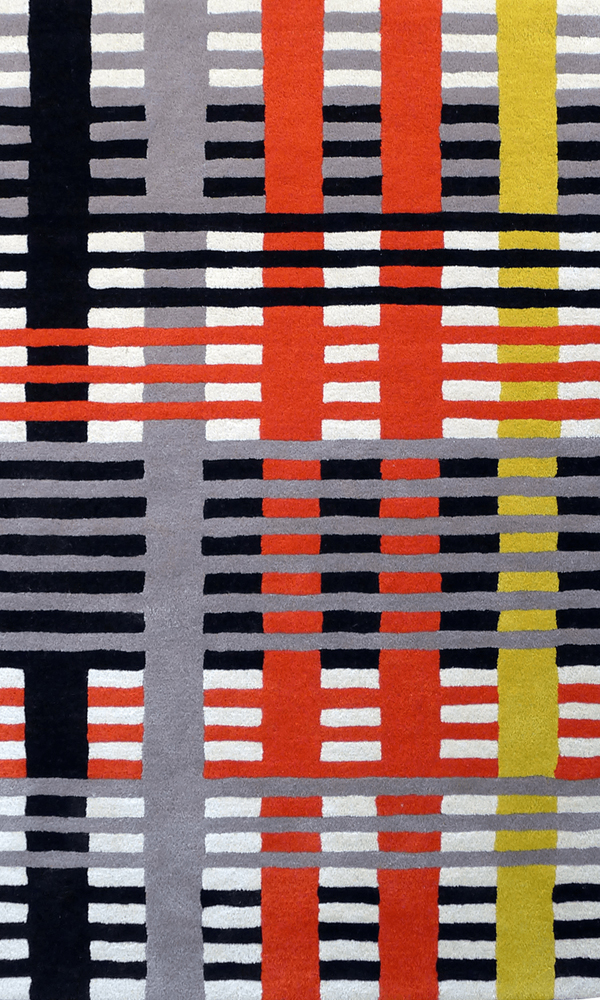
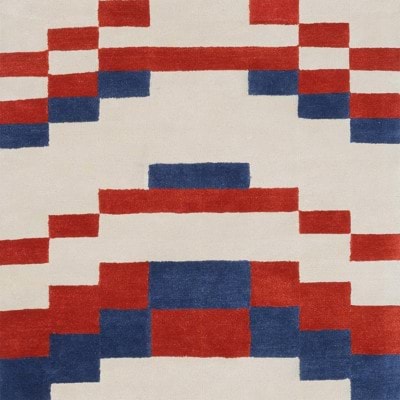
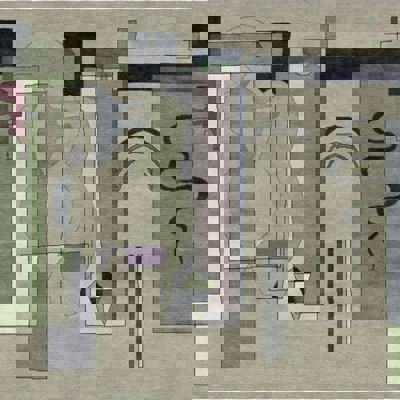
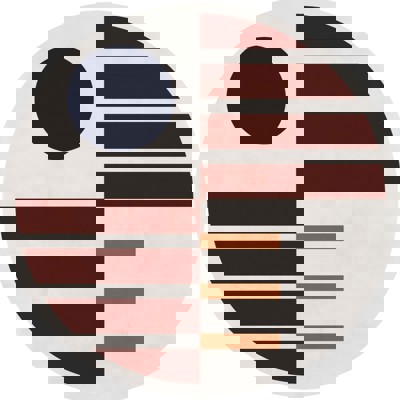
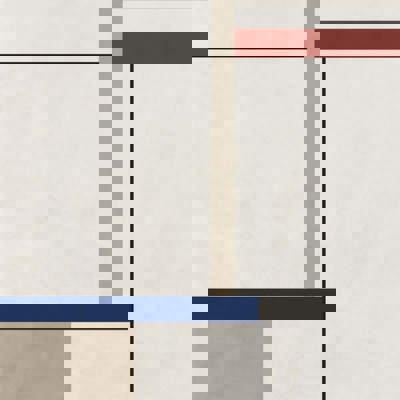
Carpet No. 2 was designed and manufactured for the room of Walter Gropius.
The weaving workshop developed material, rhythm and structure with precision. Craft was not ornament, but a method of spatial order shaped through clarity and proportion.
Geometry became movement. Movement became rhythm. Rhythm became structure. The woven surface was not decoration, but part of the architecture of the room.
Highlight
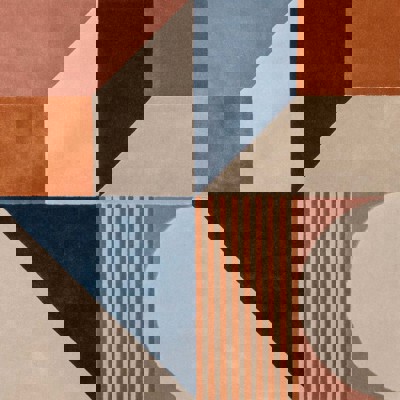
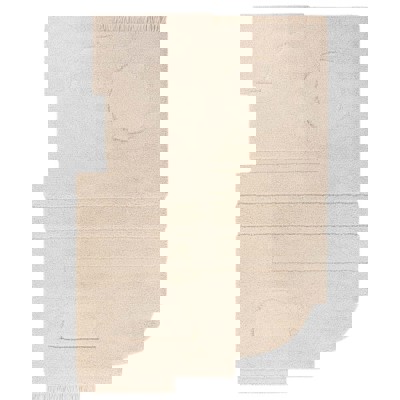
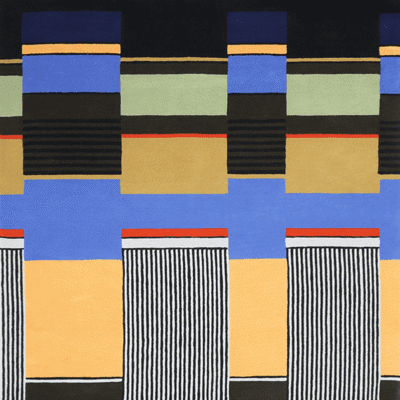
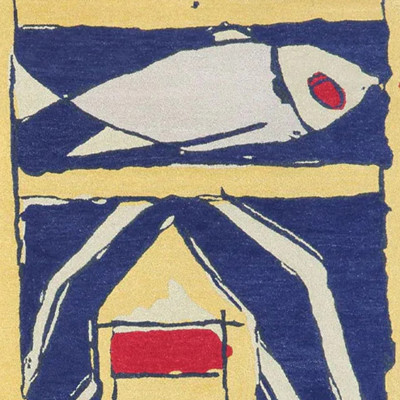
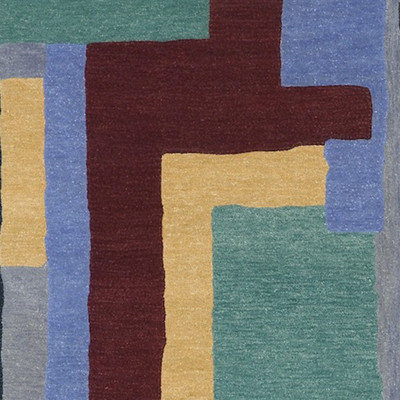
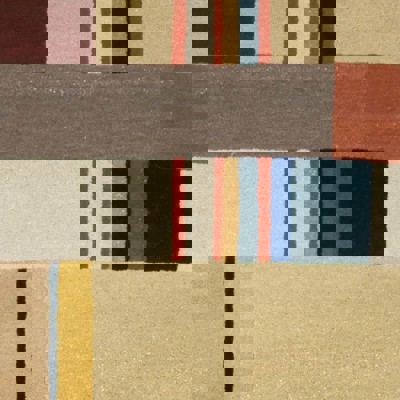
Runner 1922 · Gunta Stölzl
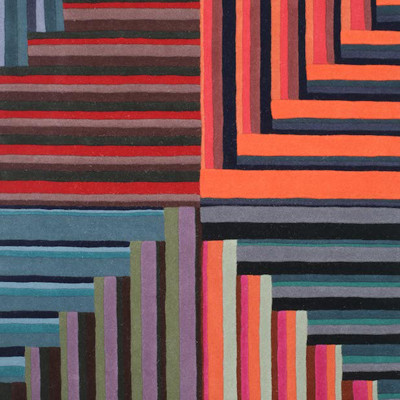
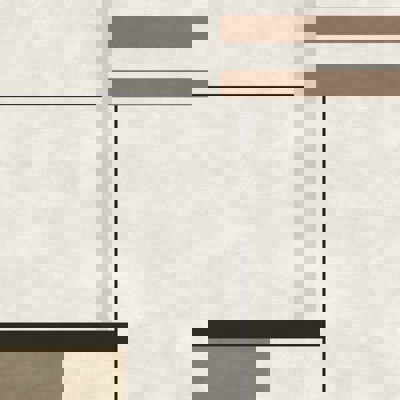
A woven Bauhaus composition shaped by rhythm, proportion and material clarity. Runner 1922 by Gunta Stölzl translates linear movement into a calm, structured surface.
Discover the work of Gunta Stölzl and explore how Bauhaus weaving transformed textile design into a modern language of space.
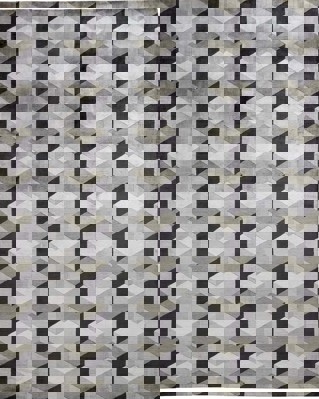
In 1922/23 Gropius designed his strictly cubic director's room in Weimar with his own designs and those of other Bauhäusler. Design Carpet No. 2 by Gertrud Arn…
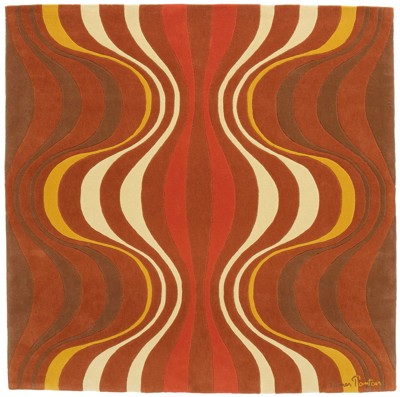
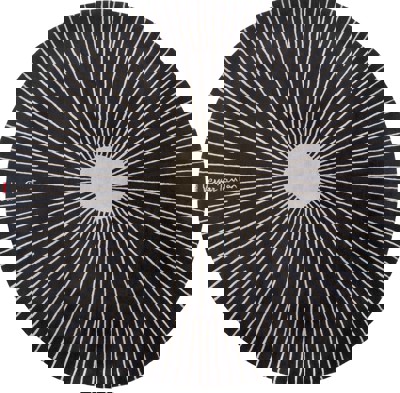
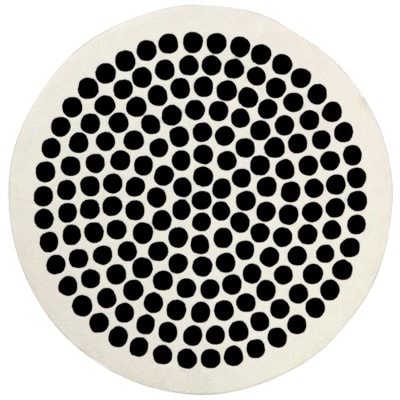
These timeless masterpieces by Verner Panton not only form a symbiosis with the design classics of the past and present, but also perfectly integrate into all…
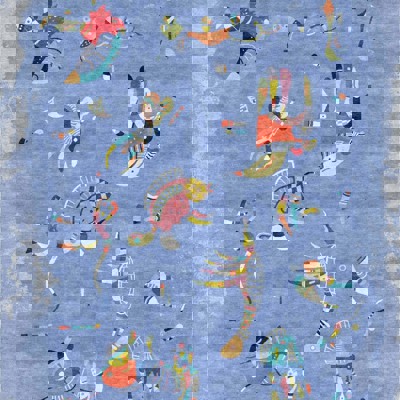
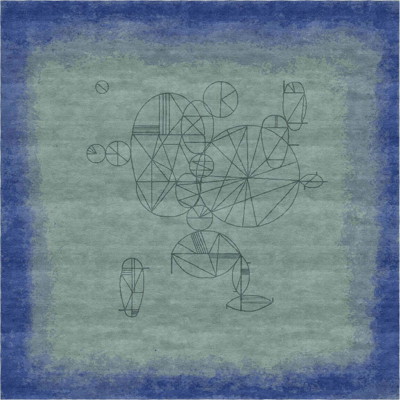
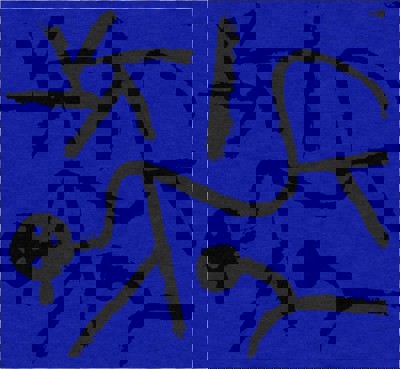
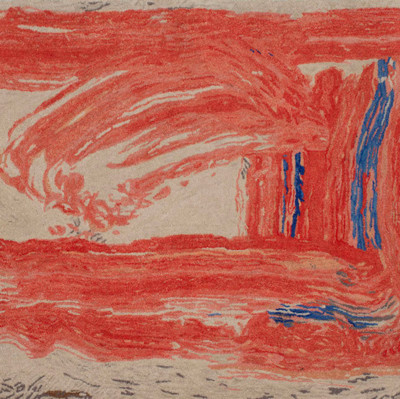
“The deeper the blue becomes, the more strongly it calls man towards the infinite, awakening in him a desire for the pure and, finally, for the supernatural… T…
These timeless masterpieces by Verner Panton not only form a symbiosis with the design classics of the past and present, but also perfectly integrate into all…
These timeless masterpieces by Verner Panton not only form a symbiosis with the design classics of the past and present, but also perfectly integrate into all…
These timeless masterpieces by Verner Panton not only form a symbiosis with the design classics of the past and present, but also perfectly integrate into all…
These timeless masterpieces by Verner Panton not only form a symbiosis with the design classics of the past and present, but also perfectly integrate into all…
These timeless masterpieces by Verner Panton not only form a symbiosis with the design classics of the past and present, but also perfectly integrate into all…
These timeless masterpieces by Verner Panton not only form a symbiosis with the design classics of the past and present, but also perfectly integrate into all…
These timeless masterpieces by Verner Panton not only form a symbiosis with the design classics of the past and present, but also perfectly integrate into all…
These timeless masterpieces by Verner Panton not only form a symbiosis with the design classics of the past and present, but also perfectly integrate into all…
These timeless masterpieces by Verner Panton not only form a symbiosis with the design classics of the past and present, but also perfectly integrate into all…
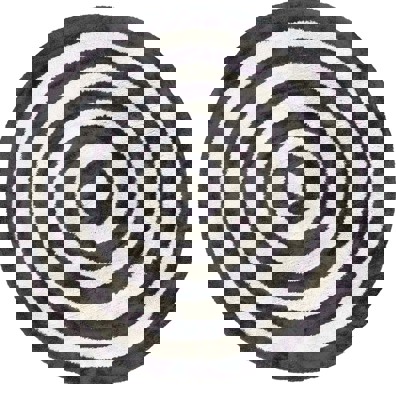
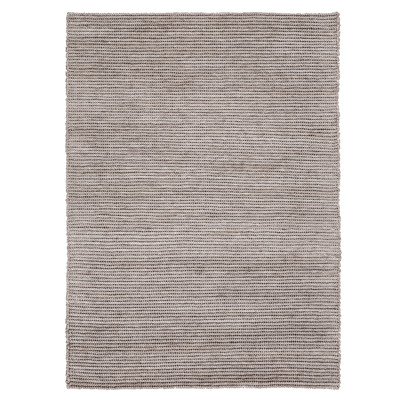
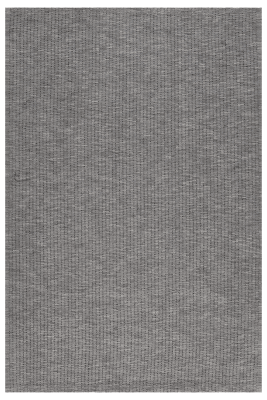
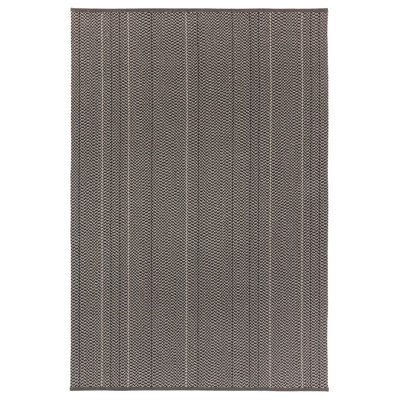
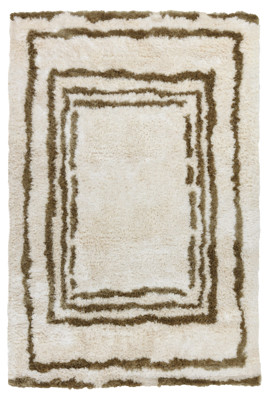
The Beluga Rug is crafted from durable polypropylene with precise braiding, offering lasting strength and a clear look—perfect for both indoor and outdoor use.
These timeless masterpieces by Verner Panton not only form a symbiosis with the design classics of the past and present, but also perfectly integrate into all…
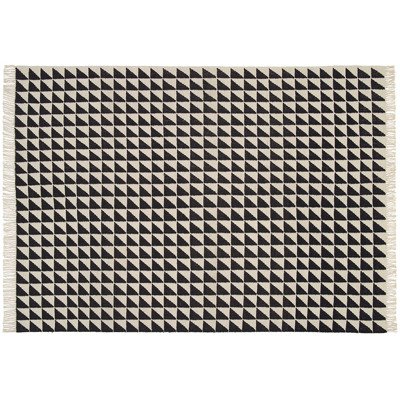
Embark on a journey of style and craftsmanship with IZA Kelim, where the intricate interplay of timeless design and traditional artistry creates a carpet that…
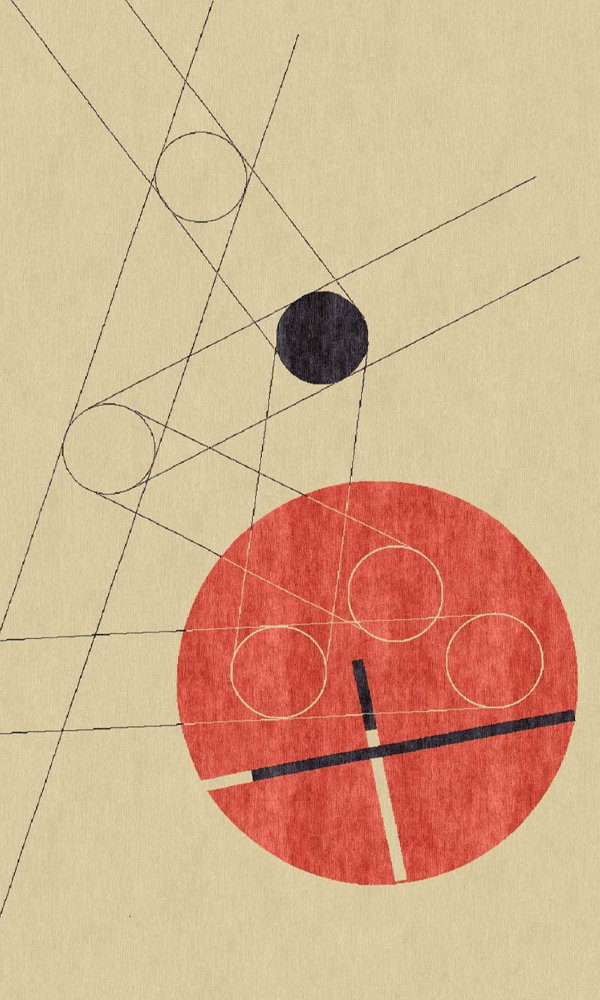
''My talent lies in the expression of my life and creative power through light, colour and form. As a painter I can convey the essence of life.” László Moholy-…
On the occasion of the 100th anniversary of the Bauhaus in 2019, the English manufactory Christopher Farr is reissuing several hand tufted textile designs by B…
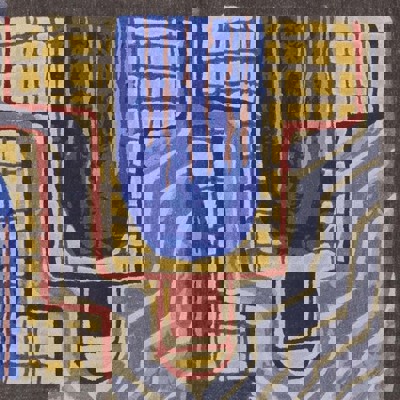
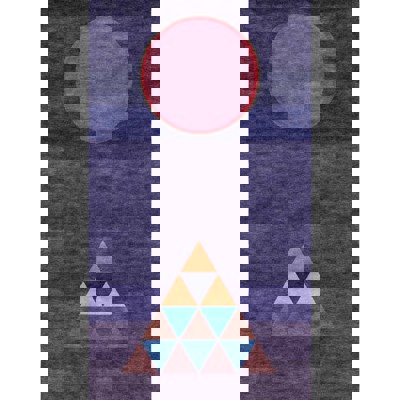
Based on a textile design by Anni Albers from the 1920s, the English manufacturer Christopher Farr Editions has created this motif as a tepee in two sizes.
Based on a textile design by Anni Albers from the 1920s, the English manufacturer Christopher Farr Editions has created this motif as a tepee in two sizes.
Based on a textile design by Anni Albers from the 1920s, the English manufacturer Christopher Farr Editions has created this motif as a tepee in two sizes.
Explore the design brilliance of David Weeks, born in Athens, Georgia, and a master of lighting, furniture, and household products since establishing his New Y…
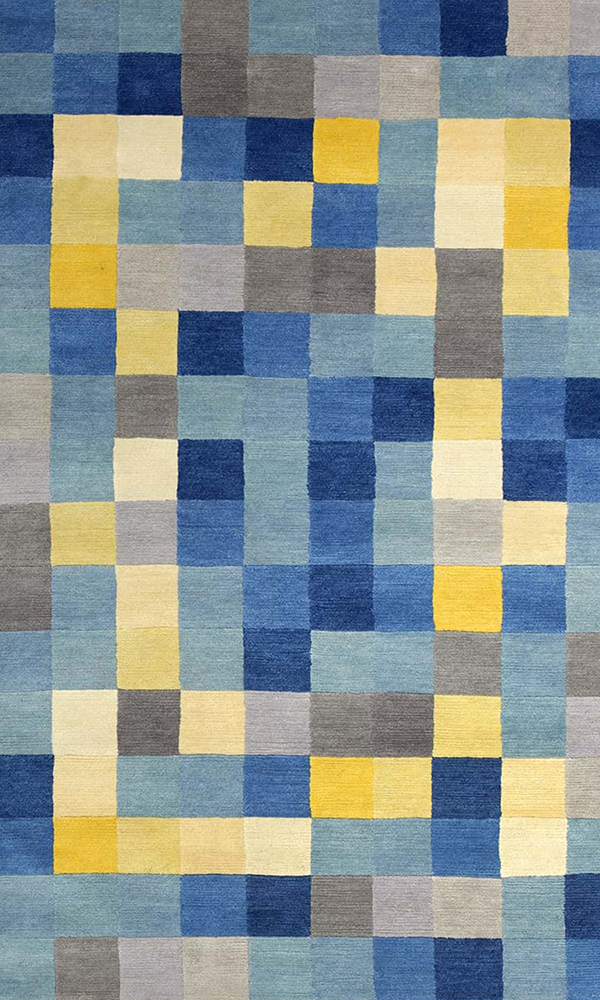
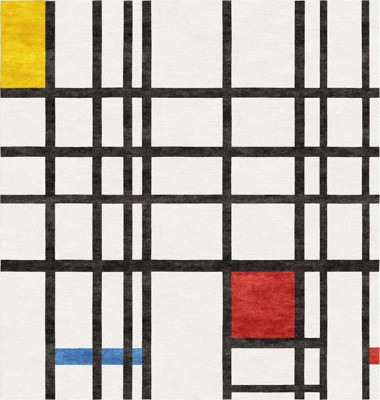
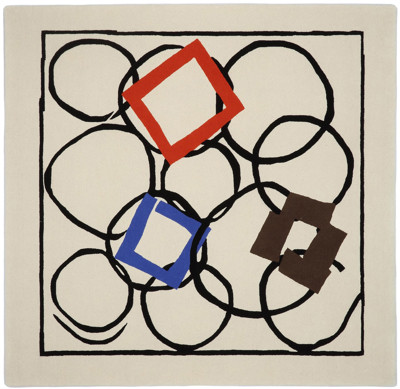
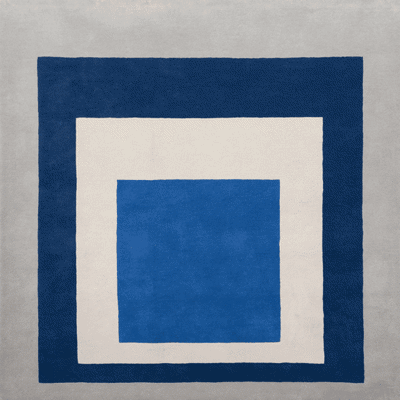
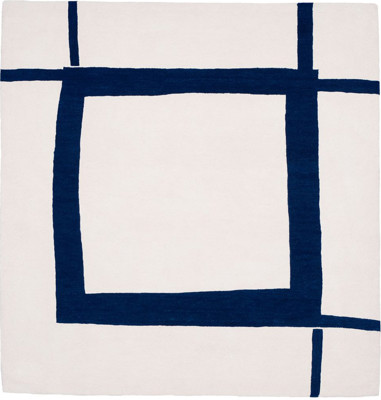
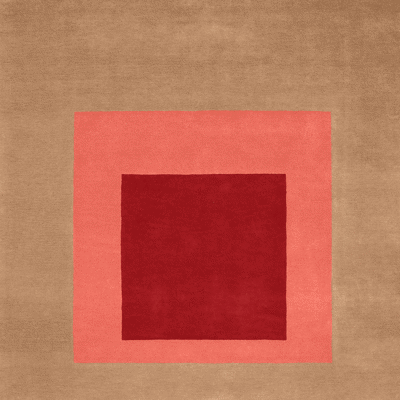
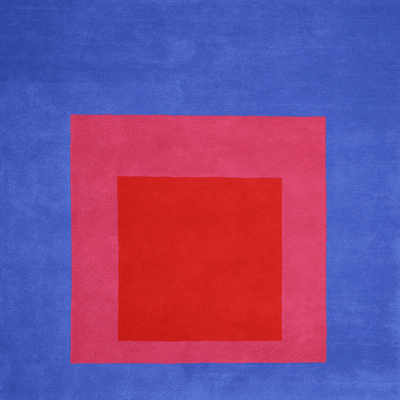
In 1950, former Bauhaus master Josef Albers began his series Homage to the Square at the age of 62. Over the next 26 years, Josef Albers produced hundreds of v…
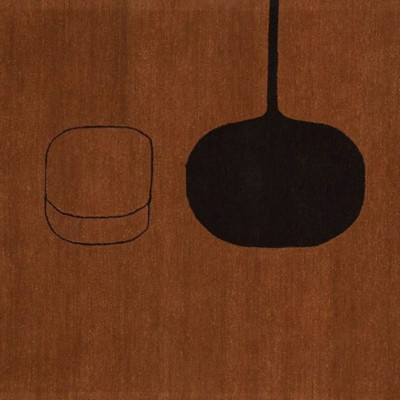
The piece on display, dating from 1913-15, embodies the creative genius of the Omega workshops, which emphasized artistic collectivity with the Omega symbol.
As the only female master of the Bauhaus, textile artist Gunta Stölzl is arguably the single most influential figure in the modern history of Western woven art.
“A composition is nothing other than an exact law-abiding organization of the vital forces which, in the form of tensions, are shut up within the elements.”
Bauhaus rugs bring together geometry, material clarity and spatial order in a way that remains highly relevant for contemporary
interiors. Whether described as a Bauhaus rug, Bauhaus carpet,
geometric Bauhaus rug or modern design rug, the woven surface is
not treated as decoration alone, but as part of the architecture of the room.
From the logic of the Bauhaus textile workshop to the discipline of Bauhaus textile design, these rugs connect rhythm, structure and proportion with contemporary
living. This makes them relevant for collectors, architects, interior designers and anyone searching for modern rugs with a stronger
cultural and formal foundation.
Geometry and Structure
Geometry in Bauhaus Rugs
Geometry was one of the clearest visual languages of the Bauhaus. Circle, line, square and grid were not arbitrary motifs, but
systems of order. In geometric Bauhaus rugs, these principles become woven form. Movement
becomes rhythm, rhythm becomes structure, and the carpet becomes a calm architectural surface.
This is what distinguishes a true Bauhaus-inspired rug from generic modern rugs. The strongest Bauhaus rugs are measured, balanced
and spatially aware, making them relevant both for collectors of Bauhaus design and for anyone searching for modern rugs, Bauhaus
carpets or a design rug with historical depth.
Workshop and Method
Bauhaus Textile Design and the Weaving Workshop
The foundation of this language lies in the Bauhaus textile workshop and in the
development of Bauhaus textile design. Here, textiles were understood as systems of density,
movement and structure rather than surface effect.
This is why Bauhaus wool rugs remain essential within the wider category. Natural fibers add
tactile depth, durability and softness, while preserving the material intelligence of the original weaving workshop.
Artists and Influence
Artists Behind the Bauhaus Rug Language
The Bauhaus rug vocabulary cannot be separated from the artists who shaped it. Gunta Stölzl gave the
weaving workshop a structural direction. Anni Albers expanded textile thinking through material
experimentation and architectural clarity.
A modern rug for living room use often has to do more than add softness. It defines
zones, guides movement and introduces order. This is exactly where Bauhaus thinking remains relevant. A rug becomes part of the
room’s structure rather than a decorative afterthought.
Terms such as modern rugs, design rugs, Bauhaus area rug or living room rug often overlap. What makes the Bauhaus version distinct
is the combination of clarity, proportion and material discipline found in Bauhaus area rugs and
Bauhaus style rugs.