
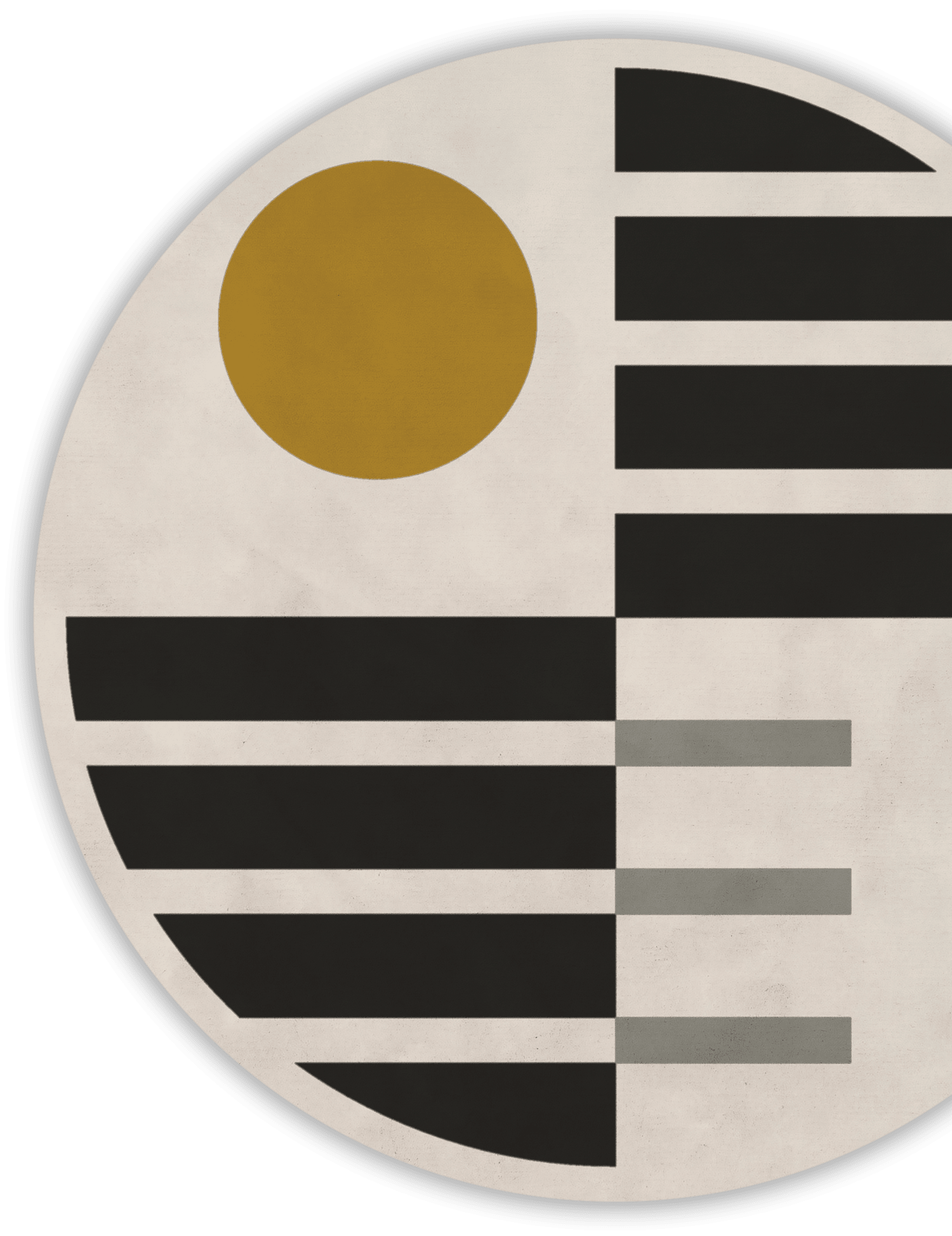

Limited Edition
第1-64页,共64页
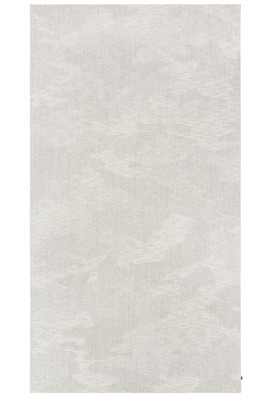
Limited Edition
斐济地毯
斐济地毯 – 在比利时平织而成,采用耐用的聚烯烃材料制成。适合室内外使用,具有休闲的质感和现代岛屿风情魅力。
7-10天
从1.000,00 € *
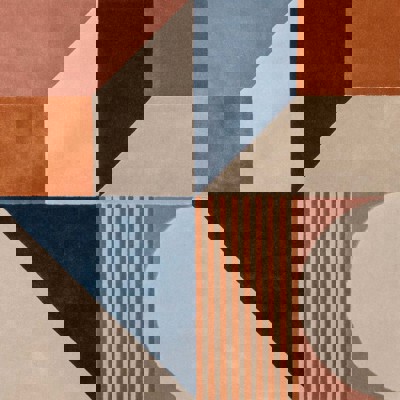
Limited Edition
复古别致地毯
这款独特的地毯不仅仅是地板覆盖物,更是一件艺术品,为您的房间增添一抹永恒的优雅。
7-10天
从4.000,00 € *
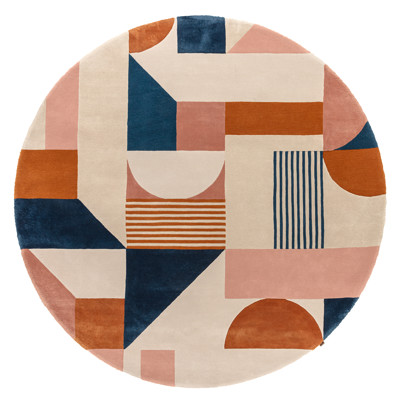
Limited Edition
复古别致地毯
探索圆形中独特的复古别致魅力。
7-10天
从3.300,00 € *
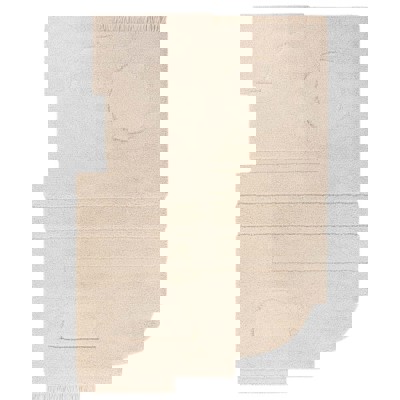
Limited Edition
抽象地毯
以精美的抽象羊毛地毯,让您的家沉浸在现代雅致的氛围中。
7-10天
从3.350,00 € *
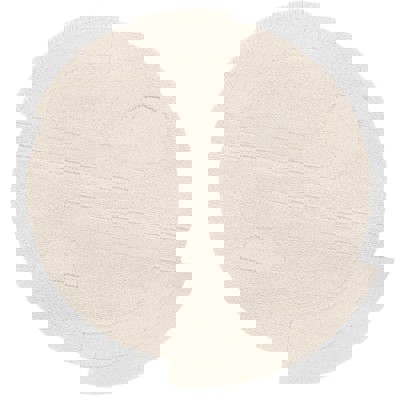
Limited Edition
抽象地毯
以精致的抽象羊毛地毯,为您的家营造出现代雅致的氛围。
7-10天
从3.300,00 € *
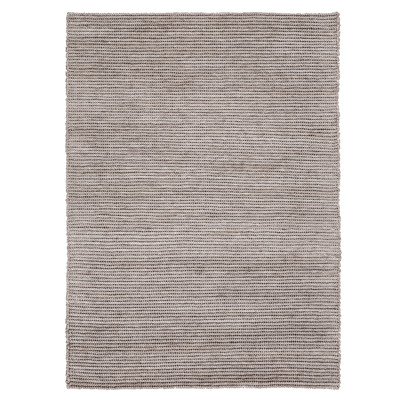
Limited Edition
马尼拉麻地毯
用Abaca地毯点缀您的家居空间,尽显自然优雅与永恒之美。
7-10天
从2.800,00 € *
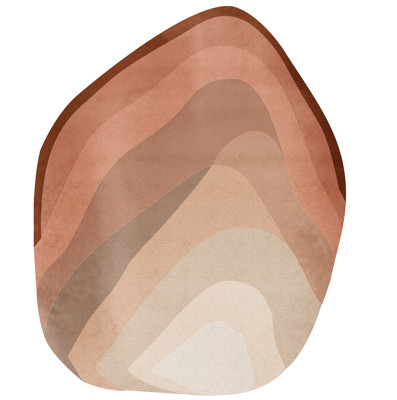
Limited Edition
玛瑙低地毯
Agate Low地毯结合了高雅的设计与高品质的材料,为您的房间营造出奢华而现代的氛围。
7-10天
从1.800,00 € *
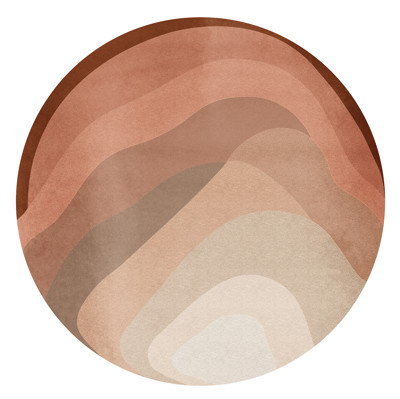
Limited Edition
玛瑙低地毯
Agate Low地毯融合了精致的设计与高品质材料,为您的房间营造出奢华而现代的氛围。
7-10天
从1.500,00 € *
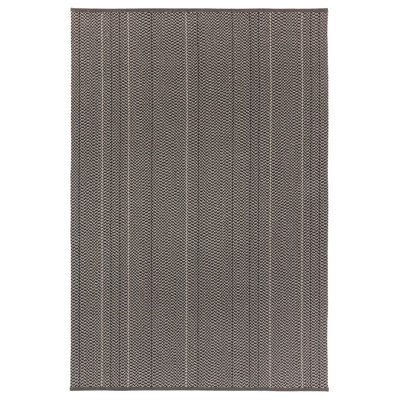
Limited Edition
庭院地毯
露台地毯是您家中的专属装饰。
7-10天
从1.850,00 € *
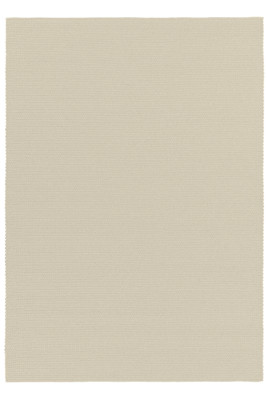
Limited Edition
白鲸地毯
The Beluga Rug is crafted from durable polypropylene with precise braiding, offering lasting strength and a clear look—perfect for both indoor and outdoor use.
7-10天
从2.590,00 € *
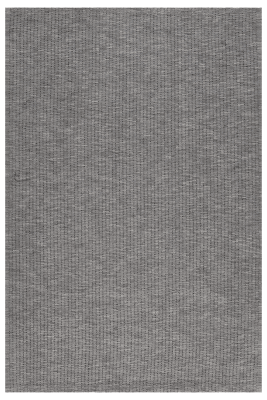
Limited Edition
砖毯
由回收皮革制成的砖形地毯——清晰的设计、优质的材料和工艺,为时尚、永恒的室内设计增添魅力。
7-10天
从2.200,00 € *
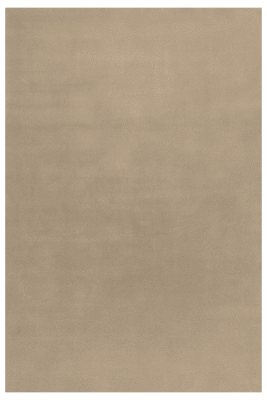
Limited Edition
卡利斯托地毯
Limited Edition的Callisto地毯 – 奢华羊毛,柔和或鲜明的渐变色彩,在比利时手工制作,适用于精致、时尚的室内装修。
7-10天
从1.000,00 € *
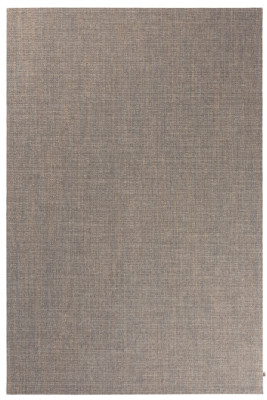
Limited Edition
时尚地毯
限量版的别致地毯——在比利时平织而成,具有精致的粗花呢质感。永恒、优雅,并采用高品质的亚麻混纺材质精制而成。
7-10天
从1.000,00 € *
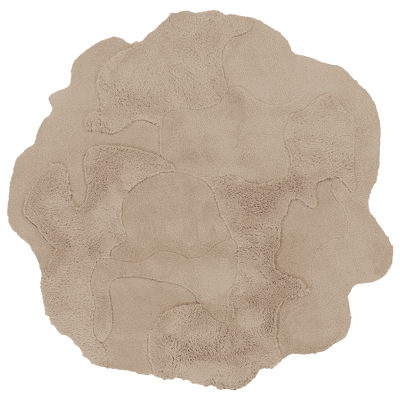
Limited Edition
宇宙蚕茧地毯
限量版的“宇宙茧”地毯——雕塑般的手工簇绒豪华地毯,质感丰富,造型大胆。精致室内装饰中的独特陈设。
7-10天
从1.000,00 € *
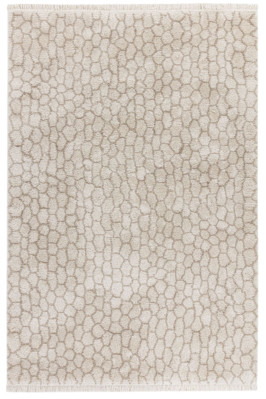
Limited Edition
宇宙蒙古地毯
比利时手工簇绒的蒙古宇宙地毯。天然材料,丰富质感,永恒设计。为现代室内设计增添精致色彩。
7-10天
2.900,00 € *
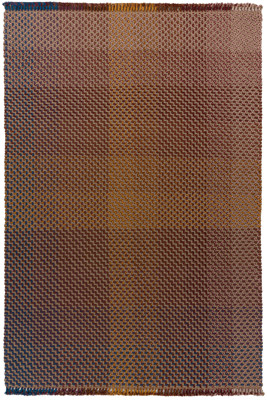
Limited Edition
达喀尔地毯
达卡地毯融合了乡村质感与都市时尚——耐用、时尚,非常适合现代室内装饰。
7-10天
从1.000,00 € *
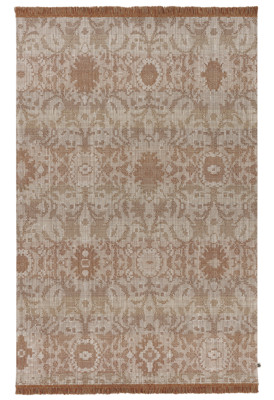
Limited Edition
仙丹地毯
Elixir 地毯 – 在比利时平织,采用耐用的聚烯烃。极简设计,适合室内和室外使用,易于打理,适合现代日常生活。
7-10天
从1.000,00 € *
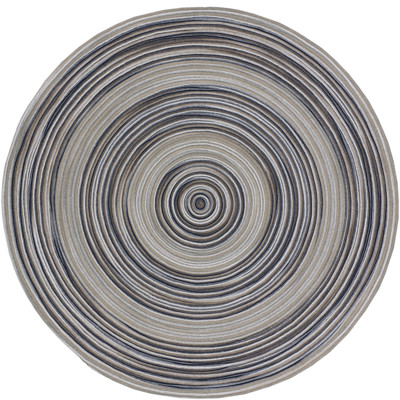
Limited Edition
莱万特地毯
Levante地毯——永恒的优雅与精致的质感。比利时编织,旨在为现代室内设计提供清晰、平衡和宁静的存在感。
7-10天
从1.000,00 € *
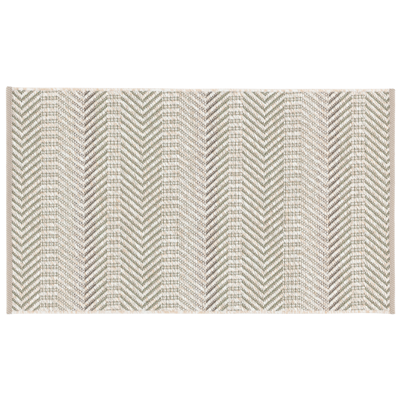
Limited Edition
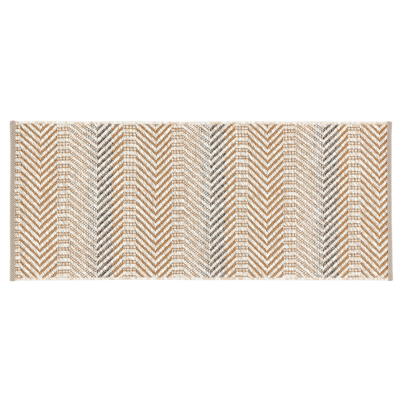
湖畔地毯
湖畔地毯 – 时尚耐用。为您的家带来轻松的质感,无论是室内还是室外。易于打理的舒适感与现代外观相结合。
7-10天
从1.000,00 € *
Limited Edition
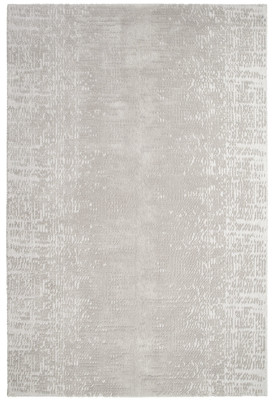
湖畔纳米地毯
湖畔纳米地毯 – 紧凑、耐用、即用型。完美适用于厨房、走廊或户外空间。易于清洁,现代且时尚。
7-10天
从100,00 € *
Limited Edition
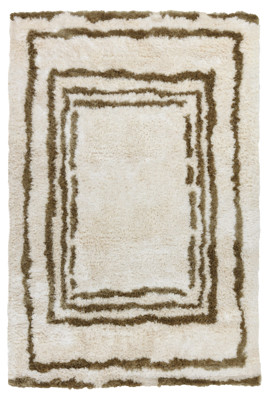
大师矩阵地毯
Maestro Matrix地毯——流线型几何与丝绸羊毛的奢华结合。为优雅且富有表现力的生活空间提供高级质感和层次感。
7-10天
从1.000,00 € *
Limited Edition
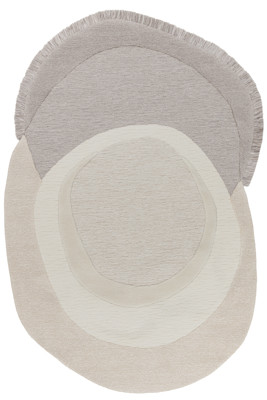
'Majestic Rug' translated into Chinese (Simplified, PRC) is '宏伟的地毯'.
Majestic Rug – 在这里,幽静奢华与触感深邃相遇。丝绸般的质感、永恒的色调和量身定制的优雅,提升室内空间。
售罄
从1.000,00 € *
Limited Edition
尊巴·奥克塔沃
Zumba Octavo 地毯 – 采用有机形式的雕刻羊毛。充满质感的大胆设计,丰富的纹理和流动的线条,为表现力现代的室内设计增添魅力。
7-10天
从1.000,00 € *
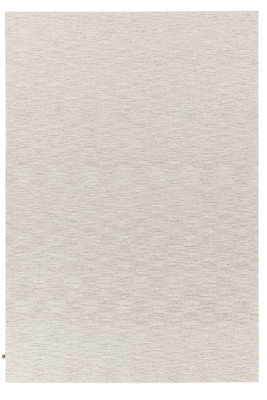
Limited Edition
苔原地毯
苔原地毯 – 丰富羊毛质感与自然宁静相结合。一个雕刻而永恒的表面,以自然优雅为室内空间奠定基础。
7-10天
从1.000,00 € *
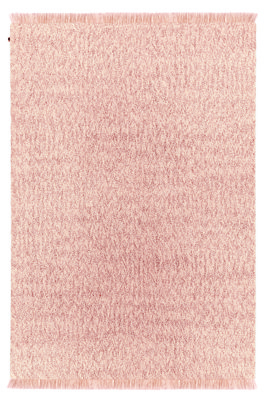
Limited Edition
尊巴高地地毯
Zumba高地地毯 – 大胆的羊毛质感,具有雕刻深度和有机形状。现代室内设计中自然流动的陈述作品。
7-10天
从1.000,00 € *
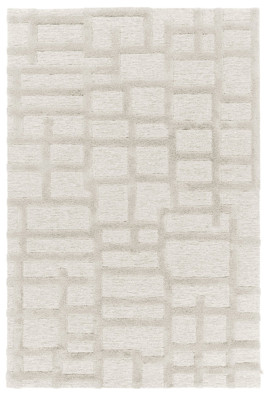
Limited Edition
Zumba Grado地毯
Zumba Grado 地毯 – 雕刻羊毛质感,流畅线条,深邃宁静。天然柔软塑造的现代室内设计宣言。
7-10天
从1.000,00 € *
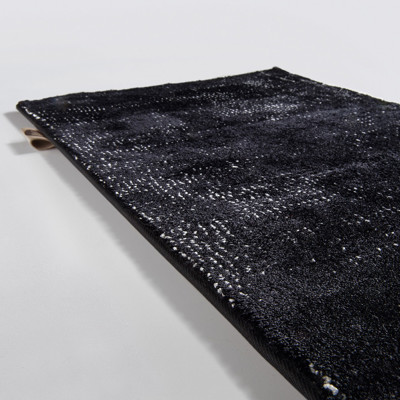
Limited Edition
时尚地毯
限量版时尚地毯 – 由100%粘胶纤维在比利时编织而成。极简设计,低调光泽,永恒优雅。
7-10天
从1.000,00 € *
Limited Edition
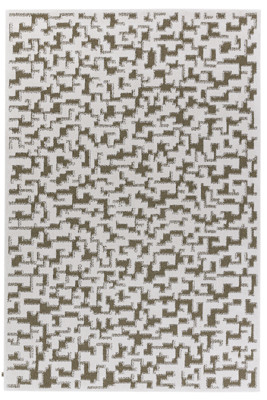
灵丹游牧地毯
Tonic Nomad地毯 - 在比利时手工簇绒制成,由羊毛和丝绸制成,灵感来源于游牧图案和永恒的优雅。
7-10天
从1.000,00 € *
Limited Edition
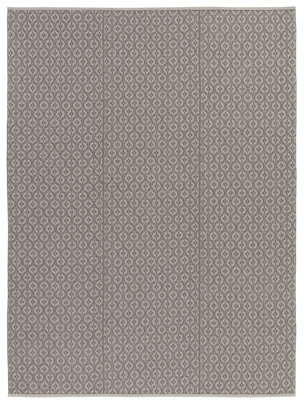
“特拉扎地毯”
Terrazza地毯——室内外皆可的时尚宣言。比利时手工制作,防风雨,易于打理,并根据您的独特空间量身定制。
7-10天
从1.000,00 € *
Limited Edition
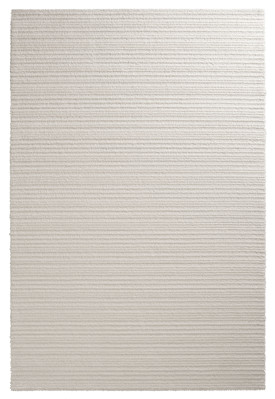
超细羊毛地毯
超级精细的乳鸽灰地毯 – 纯羊毛的优雅,比利时工艺和定制尺寸,柔软、现代的中性色。
7-10天
从1.000,00 € *
Limited Edition
萨摩亚拉萨地毯
萨摩亚拉萨地毯 – 由比利时手工制作,采用100%新西兰羊毛。奢华的绒毛,自然的温暖,以及永恒的优雅。
7-10天
从1.000,00 € *
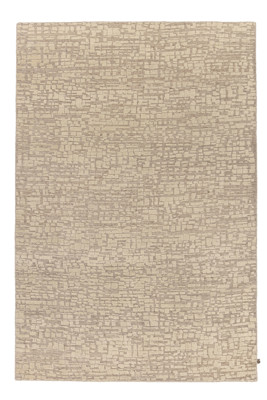
Limited Edition
萨摩亚波尔卡地毯
萨摩亚波尔卡地毯,由比利时手工制作,将柔软的羊毛质地与俏皮的圆点设计相结合,为现代室内装饰提供量身定制的优雅。
7-10天
从1.000,00 € *
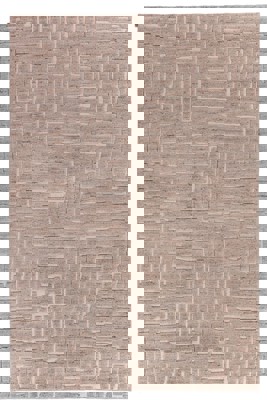
Limited Edition
萨摩亚迷宫地毯
比利时手工编织,萨摩亚迷宫地毯将柔软的羊毛舒适性与大胆的几何图案相结合 – 这是现代室内装饰的精致宣言。
7-10天
从1.000,00 € *
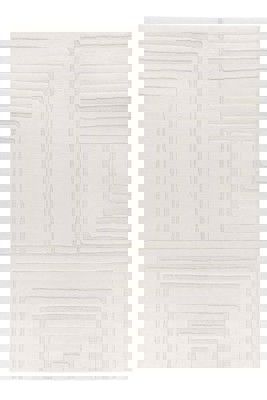
Limited Edition
萨摩亚地毯
在比利时手工编织,Samoa Geo 地毯将纯羊毛的柔软与大胆的几何设计相融合——为现代空间提供精致的奢华。
7-10天
从1.000,00 € *
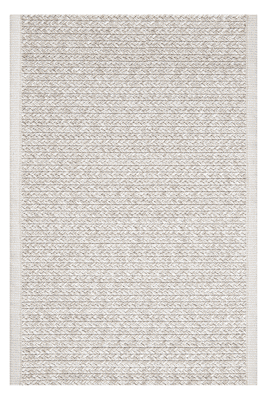
Limited Edition
泳池边纳米地毯
池畔Nano地毯 – 采用回收乙烯基和玻璃纤维在比利时编织而成。抗紫外线、耐用,完美适用于室内和室外空间。
7-10天
从100,00 € *
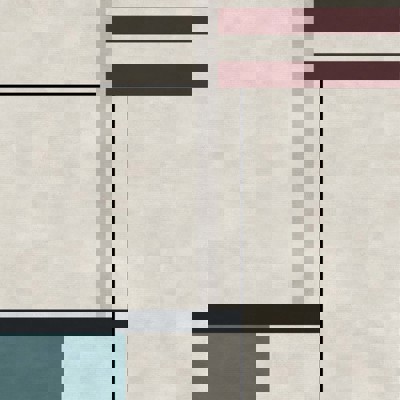
Limited Edition
包豪斯地毯线92
地毯上的几何形状和线条交叉、互动和重复,微妙而准确。
7-10天
从1.000,00 € *
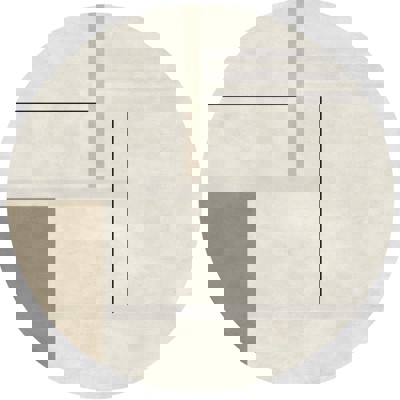
Limited Edition
包豪斯地毯系列35
地毯上的几何形状和线条交叉、互动和重复,微妙而准确。
7-10天
从1.000,00 € *
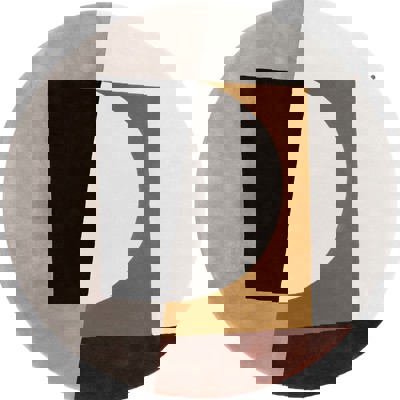
Limited Edition
包豪斯地毯的曲线 64
地毯上的几何形状和线条交叉、互动和重复,微妙而准确。
7-10天
从1.000,00 € *
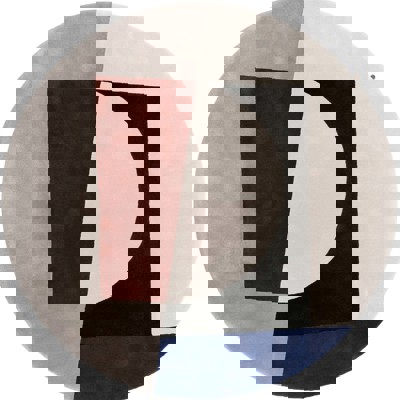
Limited Edition
包豪斯地毯曲线图2
地毯上的几何形状和线条交叉、互动和重复,微妙而准确。
7-10天
从1.000,00 € *
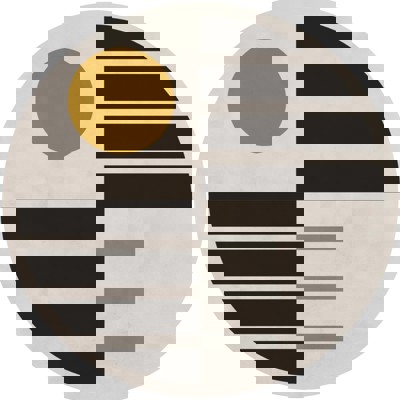
Limited Edition
包豪斯地毯的形式 47
地毯上的几何形状和线条交叉、互动和重复,微妙而准确。
7-10天
从1.000,00 € *
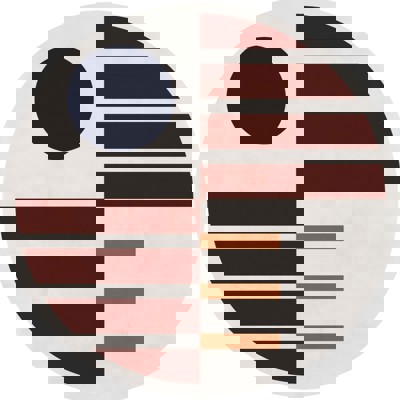
Limited Edition
包豪斯地毯形式 羊毛丝绸2
地毯上的几何形状和线条交叉、互动和重复,微妙而准确。
7-10天
从1.000,00 € *
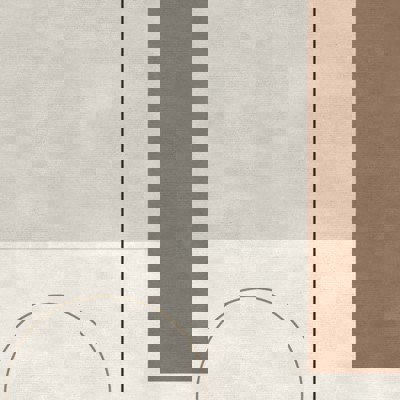
Limited Edition
包豪斯的地毯 极简的52
地毯上的几何形状和线条交叉、互动和重复,微妙而准确。
7-10天
从1.000,00 € *
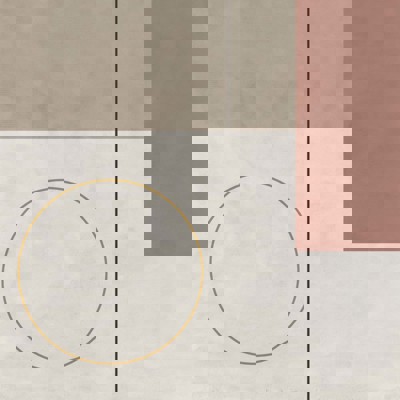
Limited Edition
包豪斯地毯的极简版26
地毯上的几何形状和线条交叉、互动和重复,微妙而准确。
7-10天
从1.000,00 € *
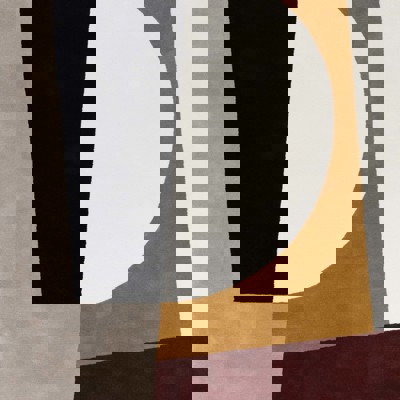
Limited Edition
包豪斯地毯的曲线 64
地毯上的几何形状和线条交叉、互动和重复,微妙而准确。
7-10天
从1.000,00 € *
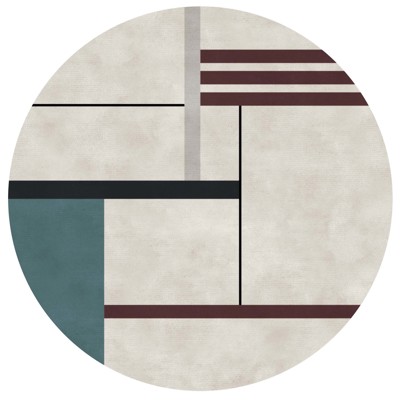
Limited Edition
包豪斯地毯线92
地毯上的几何形状和线条交叉、互动和重复,微妙而准确。
7-10天
从1.000,00 € *
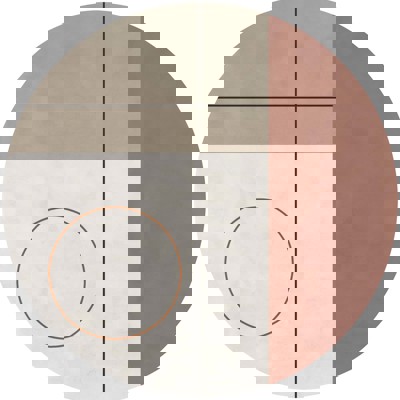
Limited Edition
包豪斯地毯的极简版26
地毯上的几何形状和线条交叉、互动和重复,微妙而准确。
7-10天
从1.000,00 € *
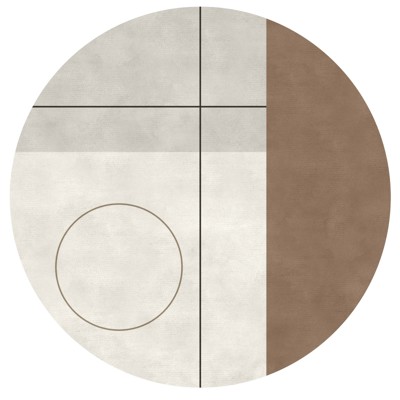
Limited Edition
包豪斯的地毯 极简的52
地毯上的几何形状和线条交叉、互动和重复,微妙而准确。
7-10天
从1.000,00 € *
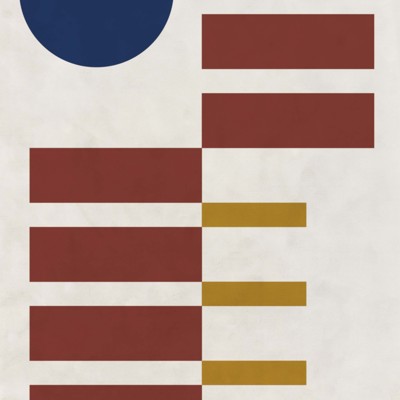
Limited Edition
包豪斯地毯形式 羊毛丝绸2
地毯上的几何形状和线条交叉、互动和重复,微妙而准确。
7-10天
从1.000,00 € *
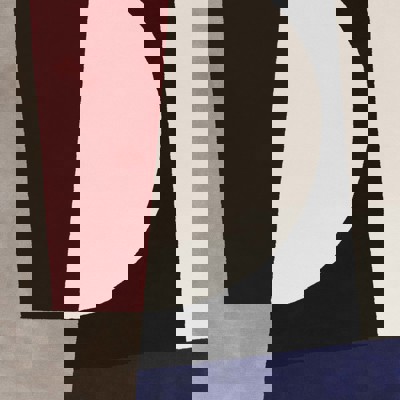
Limited Edition
包豪斯地毯形式 羊毛丝绸2
地毯上的几何形状和线条交叉、互动和重复,微妙而准确。
7-10天
从1.000,00 € *
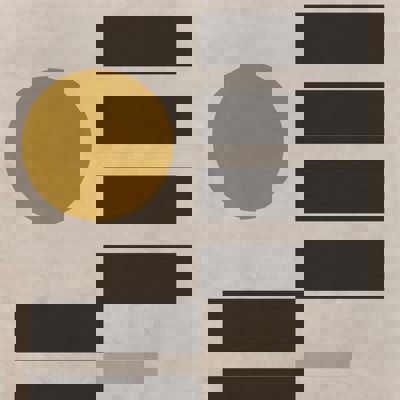
Limited Edition
包豪斯地毯的形式 47
地毯上的几何形状和线条交叉、互动和重复,微妙而准确。
7-10天
从1.000,00 € *
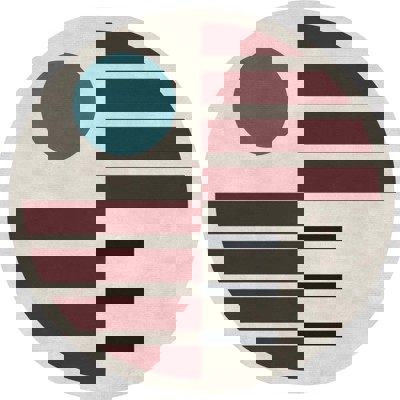
Limited Edition
包豪斯地毯的形式 63
地毯上的几何形状和线条交叉、互动和重复,微妙而准确。
售罄
从1.000,00 € *
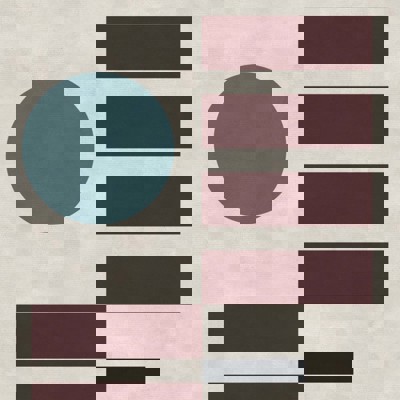
Limited Edition
包豪斯地毯的形式 63
地毯上的几何形状和线条交叉、互动和重复,微妙而准确。
售罄
从1.000,00 € *
Limited Edition
包豪斯地毯的形式 18
地毯上的几何形状和线条交叉、互动和重复,微妙而准确。
7-10天
从1.000,00 € *
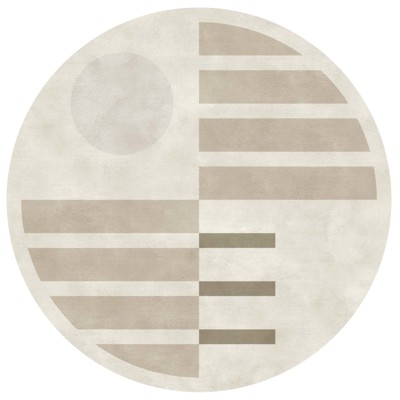
Limited Edition
包豪斯地毯的形式 18
地毯上的几何形状和线条交叉、互动和重复,微妙而准确。
7-10天
从1.000,00 € *
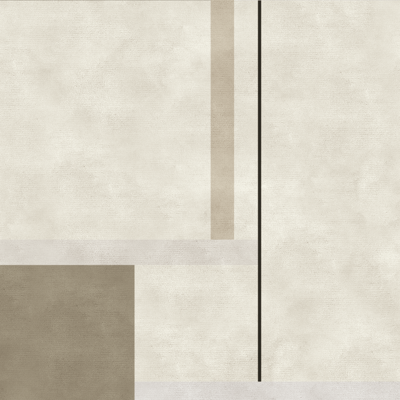
Limited Edition
包豪斯地毯系列35
地毯上的几何形状和线条交叉、互动和重复,微妙而准确。
7-10天
从1.000,00 € *
Limited Edition
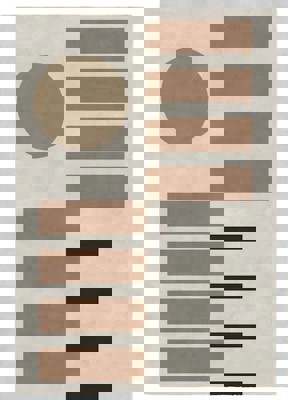
包豪斯地毯的形式 86
地毯上的几何形状和线条交叉、互动和重复,微妙而准确。
7-10天
从1.000,00 € *
Limited Edition
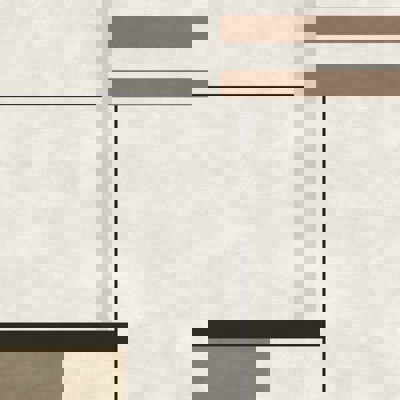
包豪斯地毯系列27
地毯上的几何形状和线条交叉、互动和重复,微妙而准确。
7-10天
从1.000,00 € *
Limited Edition
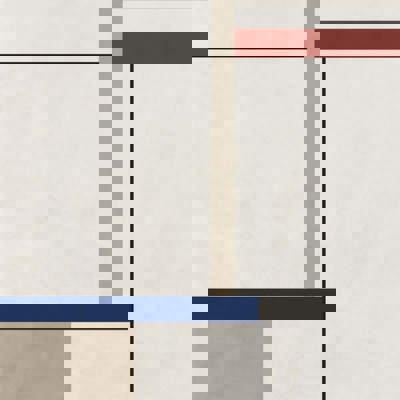
包豪斯地毯系列89
地毯上的几何形状和线条交叉、互动和重复,微妙而准确。
7-10天
从1.000,00 € *
Limited Edition
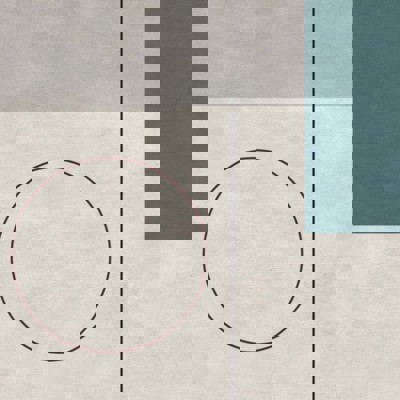
包豪斯地毯的极简版97
地毯上的几何形状和线条交叉、互动和重复,微妙而准确。
7-10天
从1.000,00 € *
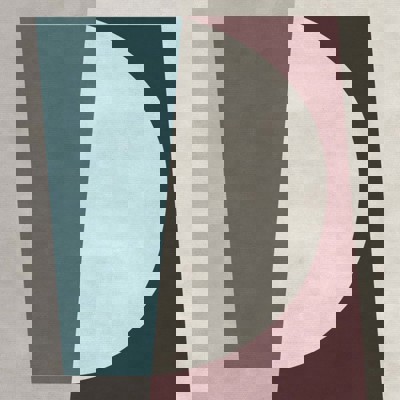
Limited Edition
包豪斯地毯的曲线 55
地毯上的几何形状和线条交叉、互动和重复,微妙而准确。
7-10天
从1.000,00 € *
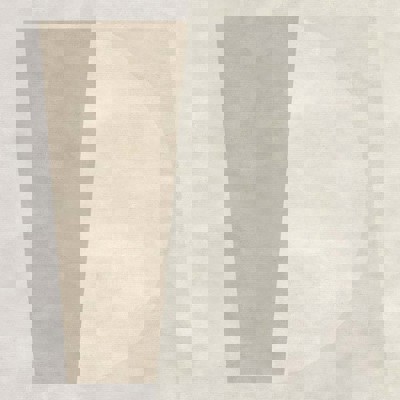
Limited Edition
包豪斯地毯的曲线 13
地毯上的几何形状和线条交叉、互动和重复,微妙而准确。
7-10天
从1.000,00 € *
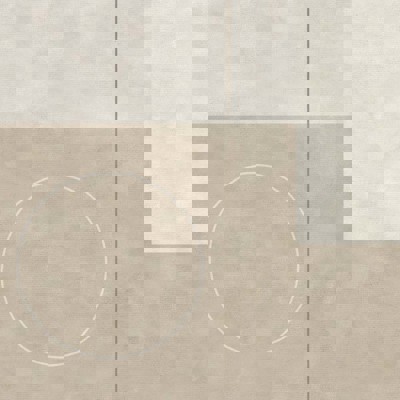
Limited Edition
包豪斯地毯的极简版78
地毯上的几何形状和线条交叉、互动和重复,微妙而准确。
7-10天
从1.000,00 € *
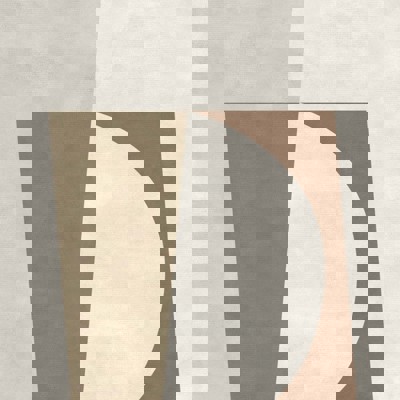
Limited Edition
包豪斯地毯曲线 48
地毯上的几何形状和线条交叉、互动和重复,微妙而准确。
7-10天
从1.000,00 € *
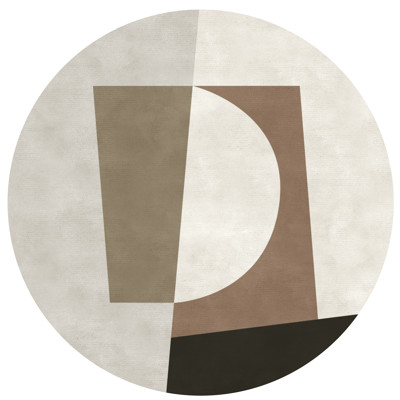
Limited Edition
包豪斯地毯曲线 48
地毯上的几何形状和线条交叉、互动和重复,微妙而准确。
7-10天
从1.000,00 € *