

Limited Edition
Search results: 1-64 of 64
Limited Edition
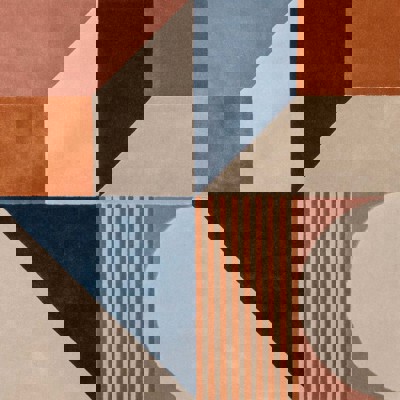
Retro Chic Rug
This unique rug is not just a floor covering, but a work of art that adds a touch of timeless elegance to your room.
7-10 Days
From 4.000,00 €
Limited Edition
Abstract Rug
Immerse your home in an ambience of contemporary sophistication with the exquisite Abstract Wool Rug.
7-10 Days
From 3.350,00 €
Limited Edition
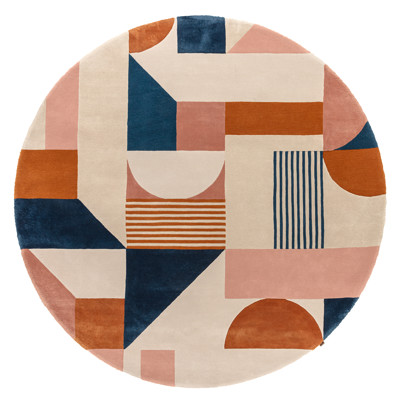
Retro Chic Rug
Discover the exclusive charm of retro chic in a round shape
7-10 Days
From 3.300,00 €
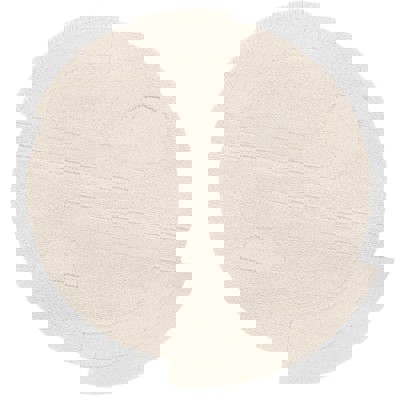
Limited Edition
Abstract Rug
Immerse your home in an ambience of contemporary sophistication with the exquisite Abstract Wool Rug.
7-10 Days
From 3.300,00 €
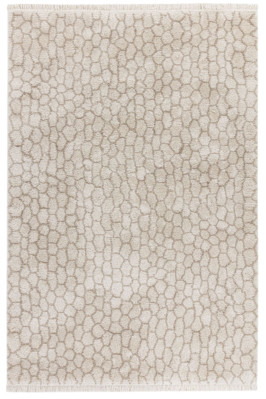
Limited Edition
Cosmic Mongolia Rug
Cosmic Mongolia rug – hand-tufted in Belgium. Natural materials, rich texture, timeless design. A refined statement for contemporary interiors.
7-10 Days
2.900,00 €
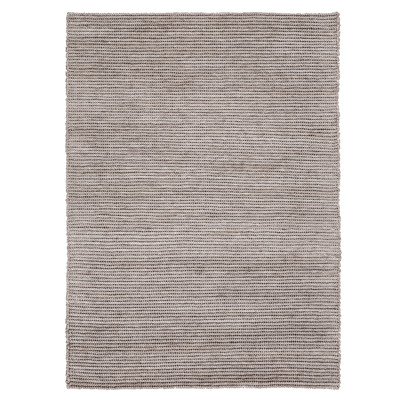
Limited Edition
Abaca Rug
Embellish your home with the Abaca rug, a masterpiece of natural elegance and timeless beauty.
7-10 Days
From 2.800,00 €
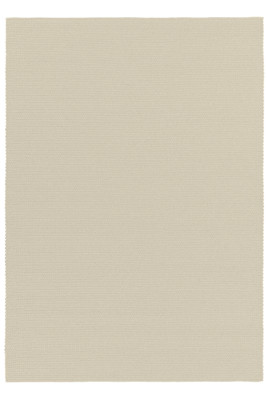
Limited Edition
Beluga Rug
The Beluga Rug is crafted from durable polypropylene with precise braiding, offering lasting strength and a clear look—perfect for both indoor and outdoor use.
7-10 Days
From 2.590,00 €
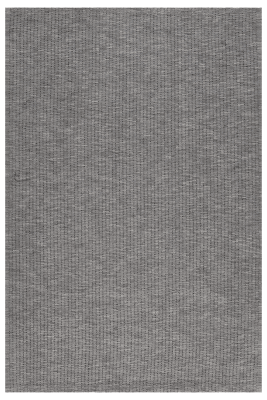
Limited Edition
Brick Rug
Brick rug made from recycled leather – clear design, premium materials and craftsmanship for stylish, timeless interiors.
7-10 Days
From 2.200,00 €
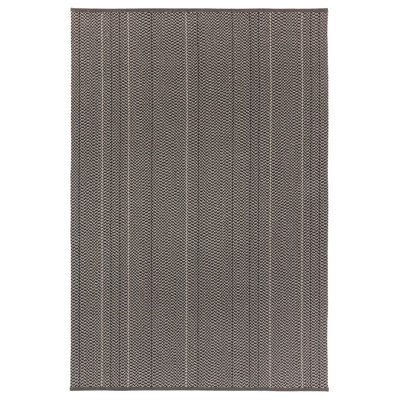
Limited Edition
Patio Rug
The patio rug is an exclusive addition to your home.
7-10 Days
From 1.850,00 €
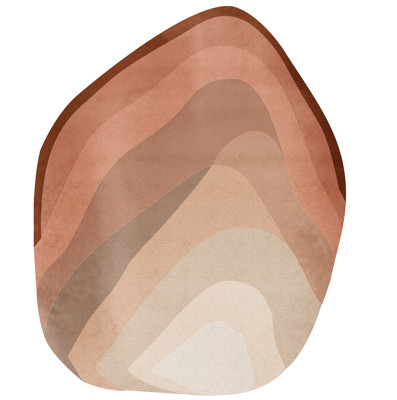
Limited Edition
Agate Low Rug
The Agate Low rug combines sophisticated design with high-quality materials to give your room a luxurious and modern atmosphere.
7-10 Days
From 1.800,00 €
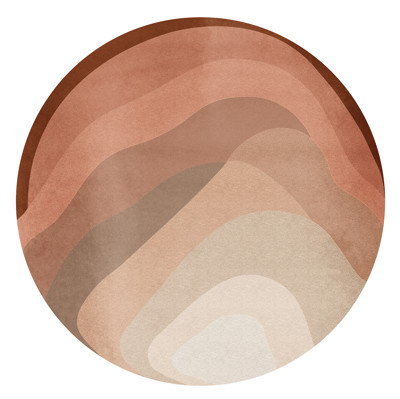
Limited Edition
Agate Low Rug
The Agate Low rug combines sophisticated design with high-quality materials to give your room a luxurious and modern atmosphere.
7-10 Days
From 1.500,00 €
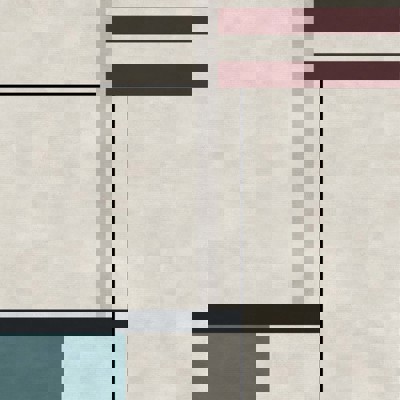
Limited Edition
Bauhaus Rug Lines 92
The geometric shapes and lines on the rug cross, interact and repeat with subtlety and accuracy.
7-10 Days
From 1.000,00 €
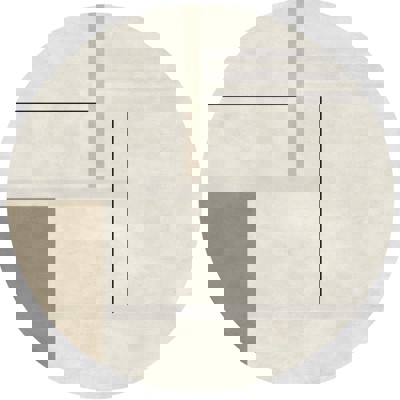
Limited Edition
Bauhaus Rug Lines 35
The geometric shapes and lines on the rug cross, interact and repeat with subtlety and accuracy.
7-10 Days
From 1.000,00 €
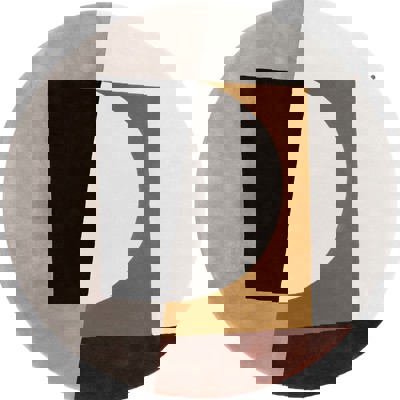
Limited Edition
Bauhaus Rug Curves 64
The geometric shapes and lines on the rug cross, interact and repeat with subtlety and accuracy.
7-10 Days
From 1.000,00 €
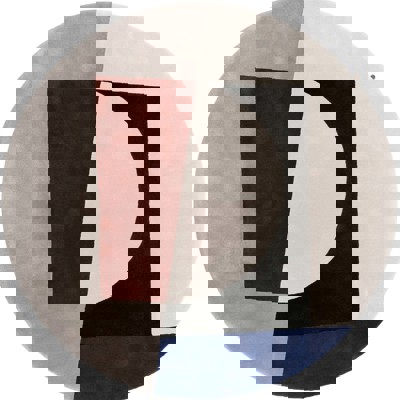
Limited Edition
Bauhaus Rug Curves 2
The geometric shapes and lines on the rug cross, interact and repeat with subtlety and accuracy.
7-10 Days
From 1.000,00 €
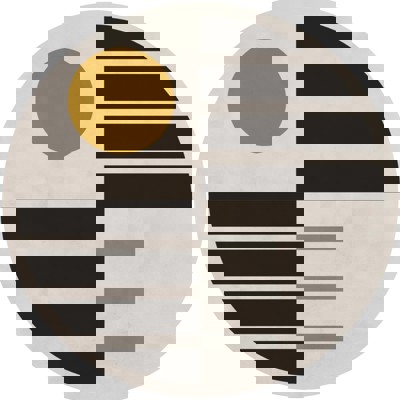
Limited Edition
Bauhaus Rug Forms 47
The geometric shapes and lines on the rug cross, interact and repeat with subtlety and accuracy.
7-10 Days
From 1.000,00 €
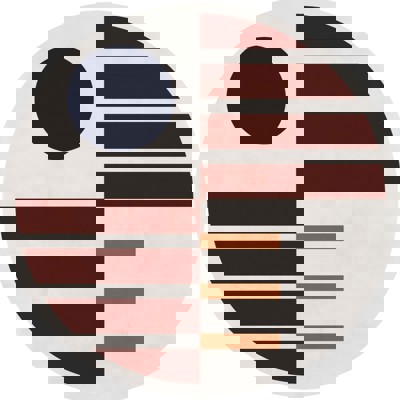
Limited Edition
Bauhaus Rug Forms 50
The geometric shapes and lines on the rug cross, interact and repeat with subtlety and accuracy.
7-10 Days
From 1.000,00 €
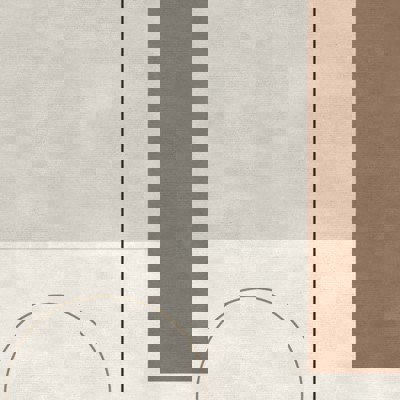
Limited Edition
Bauhaus Rug Minimal 52
The geometric shapes and lines on the rug cross, interact and repeat with subtlety and accuracy.
7-10 Days
From 1.000,00 €
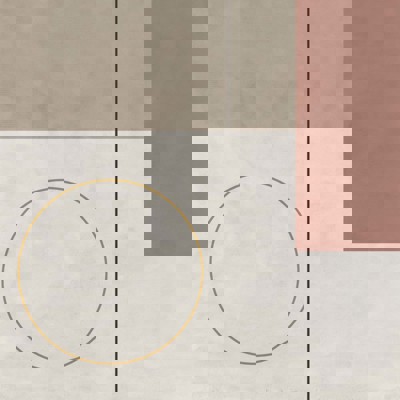
Limited Edition
Bauhaus Rug Minimal 26
The geometric shapes and lines on the rug cross, interact and repeat with subtlety and accuracy.
7-10 Days
From 1.000,00 €
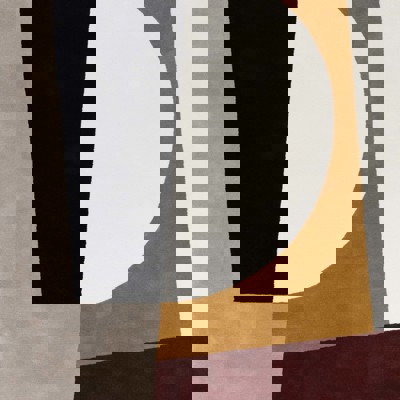
Limited Edition
Bauhaus Rug Curves 64
The geometric shapes and lines on the rug cross, interact and repeat with subtlety and accuracy.
7-10 Days
From 1.000,00 €
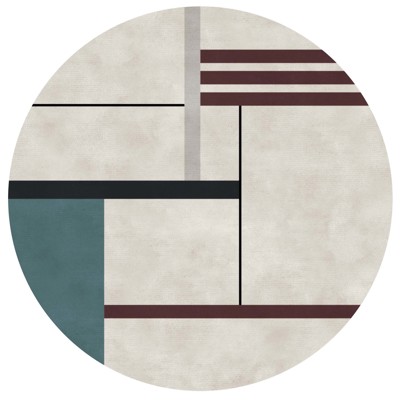
Limited Edition
Bauhaus Rug Lines 92
The geometric shapes and lines on the rug cross, interact and repeat with subtlety and accuracy.
7-10 Days
From 1.000,00 €
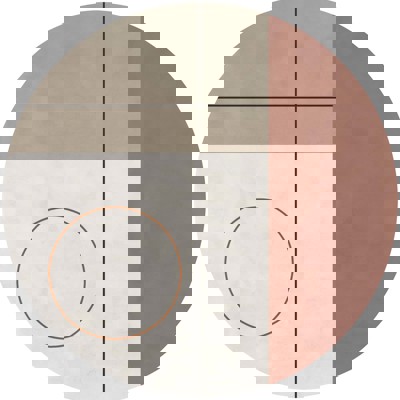
Limited Edition
Bauhaus Rug Minimal 26
The geometric shapes and lines on the rug cross, interact and repeat with subtlety and accuracy.
7-10 Days
From 1.000,00 €
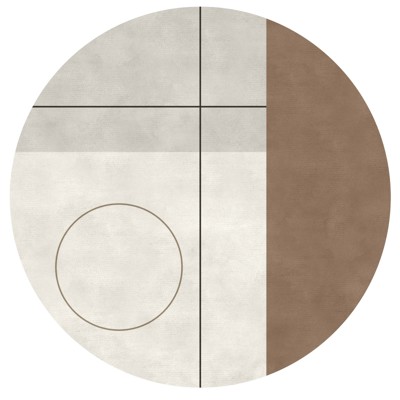
Limited Edition
Bauhaus Rug Minimal 52
The geometric shapes and lines on the rug cross, interact and repeat with subtlety and accuracy.
7-10 Days
From 1.000,00 €
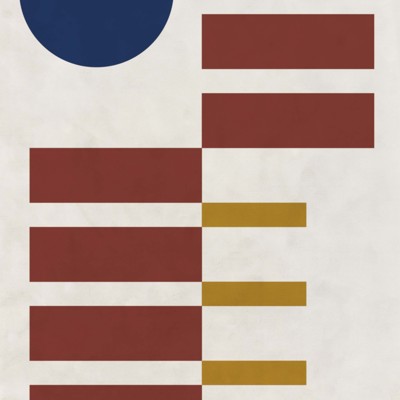
Limited Edition
Bauhaus Rug Forms 50
The geometric shapes and lines on the rug cross, interact and repeat with subtlety and accuracy.
7-10 Days
From 1.000,00 €
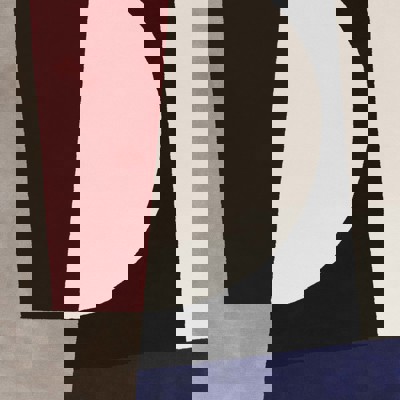
Limited Edition
Bauhaus Rug Curves 2
The geometric shapes and lines on the rug cross, interact and repeat with subtlety and accuracy.
7-10 Days
From 1.000,00 €
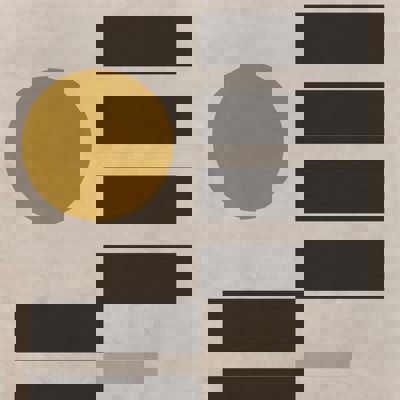
Limited Edition
Bauhaus Rug Forms 47
The geometric shapes and lines on the rug cross, interact and repeat with subtlety and accuracy.
7-10 Days
From 1.000,00 €
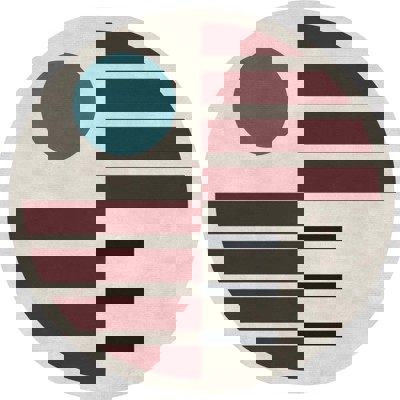
Limited Edition
Bauhaus Rug Forms 63
The geometric shapes and lines on the rug cross, interact and repeat with subtlety and accuracy.
SOLD OUT
From 1.000,00 €
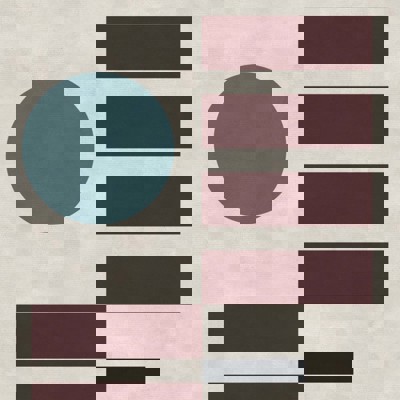
Limited Edition
Bauhaus Rug Forms 63
The geometric shapes and lines on the rug cross, interact and repeat with subtlety and accuracy.
SOLD OUT
From 1.000,00 €
Limited Edition
Bauhaus Rug Forms 18
The geometric shapes and lines on the rug cross, interact and repeat with subtlety and accuracy.
7-10 Days
From 1.000,00 €
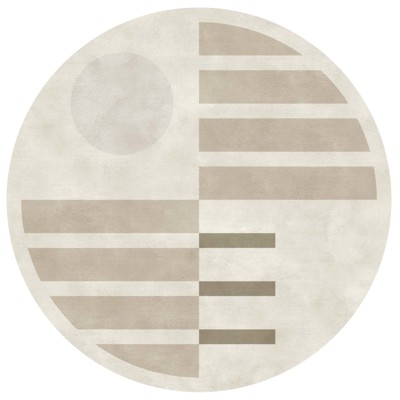
Limited Edition
Bauhaus Rug Forms 18
The geometric shapes and lines on the rug cross, interact and repeat with subtlety and accuracy.
7-10 Days
From 1.000,00 €
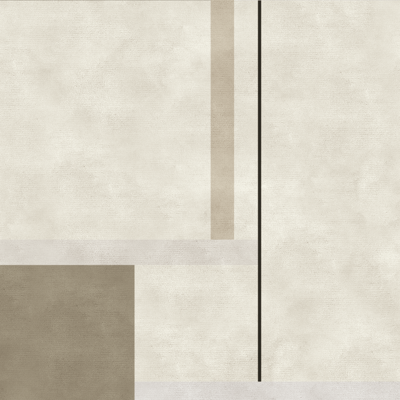
Limited Edition
Bauhaus Rug Lines 35
The geometric shapes and lines on the rug cross, interact and repeat with subtlety and accuracy.
7-10 Days
From 1.000,00 €
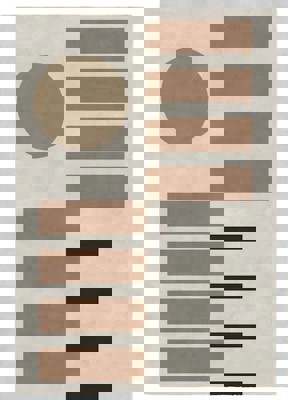
Limited Edition
Bauhaus Rug Forms 86
The geometric shapes and lines on the rug cross, interact and repeat with subtlety and accuracy.
7-10 Days
From 1.000,00 €
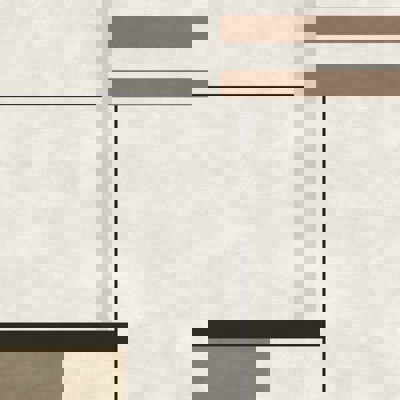
Limited Edition
Bauhaus Rug Lines 27
The geometric shapes and lines on the rug cross, interact and repeat with subtlety and accuracy.
7-10 Days
From 1.000,00 €
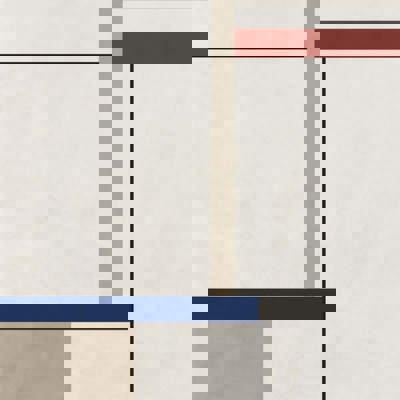
Limited Edition
Bauhaus Rug Lines 89
The geometric shapes and lines on the rug cross, interact and repeat with subtlety and accuracy.
7-10 Days
From 1.000,00 €
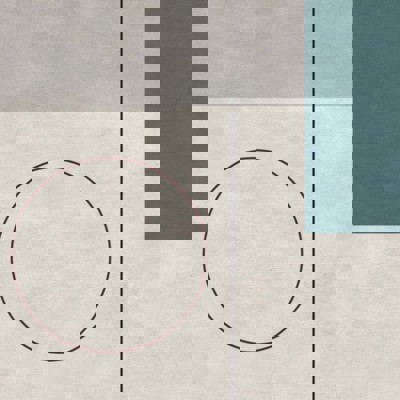
Limited Edition
Bauhaus Rug Minimal 97
The geometric shapes and lines on the rug cross, interact and repeat with subtlety and accuracy.
7-10 Days
From 1.000,00 €
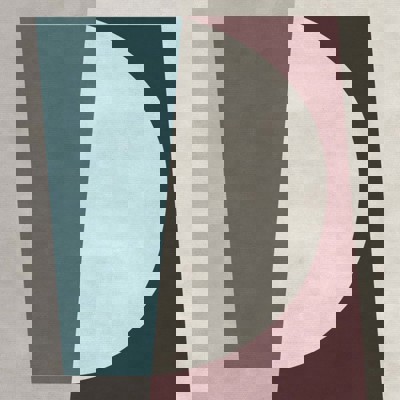
Limited Edition
Bauhaus Rug Curves 55
The geometric shapes and lines on the rug cross, interact and repeat with subtlety and accuracy.
7-10 Days
From 1.000,00 €
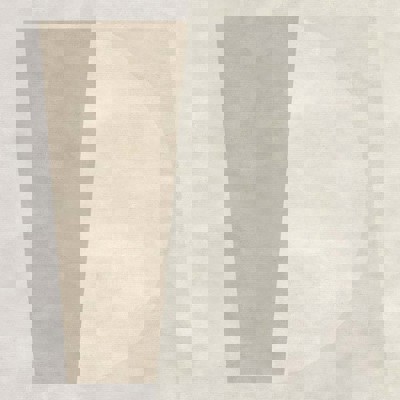
Limited Edition
Bauhaus Rug Curves 13
The geometric shapes and lines on the rug cross, interact and repeat with subtlety and accuracy.
7-10 Days
From 1.000,00 €
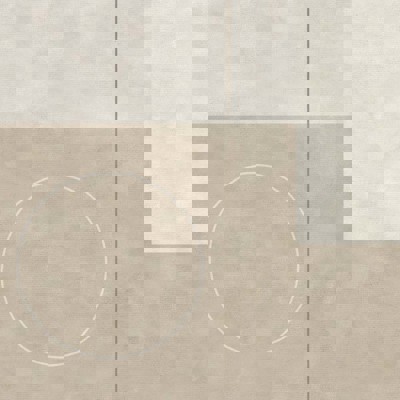
Limited Edition
Bauhaus Rug Minimal 78
The geometric shapes and lines on the rug cross, interact and repeat with subtlety and accuracy.
7-10 Days
From 1.000,00 €
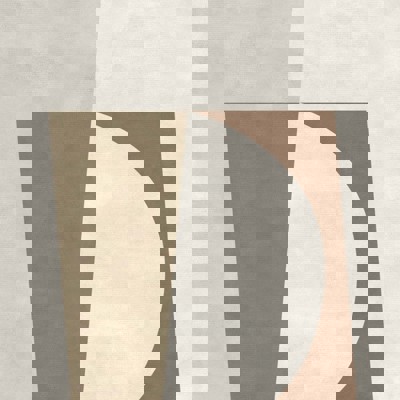
Limited Edition
Bauhaus Rug Curves 48
The geometric shapes and lines on the rug cross, interact and repeat with subtlety and accuracy.
7-10 Days
From 1.000,00 €
Limited Edition
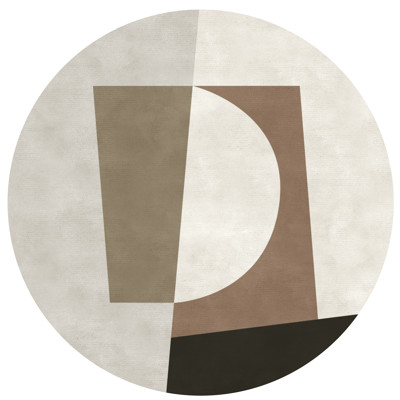
Bauhaus Rug Curves 48
The geometric shapes and lines on the rug cross, interact and repeat with subtlety and accuracy.
7-10 Days
From 1.000,00 €
Limited Edition
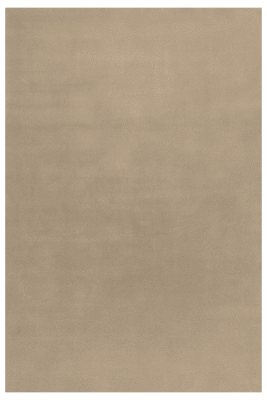
Callisto Rug
Callisto rug by Limited Edition – luxurious wool with soft or bold colour gradients, handcrafted in Belgium for sophisticated, stylish interiors.
7-10 Days
From 1.000,00 €
Limited Edition
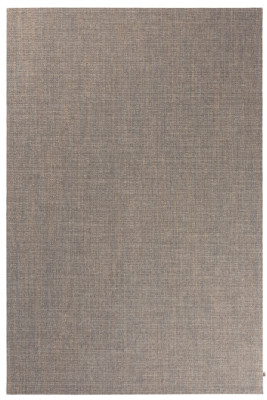
Chic Rug
Chic rug by Limited Edition – flat-woven in Belgium with refined tweed texture. Timeless, elegant, and crafted from a high-quality linen blend.
7-10 Days
From 1.000,00 €
Limited Edition
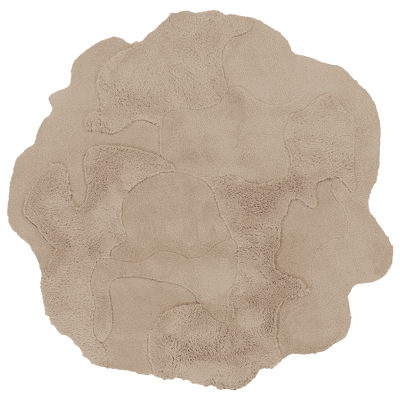
Cosmic Cocoon Rug
Cosmic Cocoon rug by Limited Edition – sculptural, hand-tufted luxury with rich texture and bold form. A statement piece for refined interiors.
7-10 Days
From 1.000,00 €
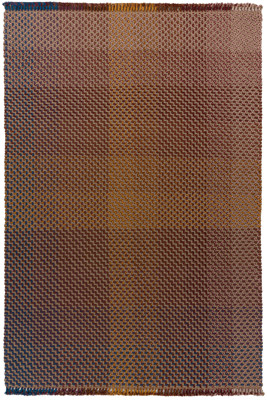
Limited Edition
Dakar Rug
Dakar rug blends rustic texture with urban chic – durable, stylish, and perfect for contemporary interiors.
7-10 Days
From 1.000,00 €
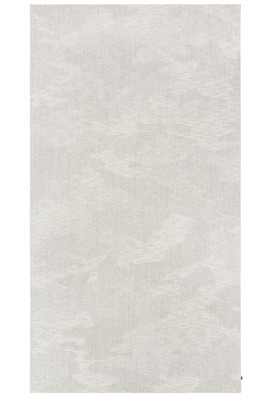
Limited Edition
Fiji Rug
Fiji Rug – flat-woven in Belgium from durable polyolefin. Indoor-outdoor ready with relaxed texture and modern island-inspired charm.
7-10 Days
From 1.000,00 €
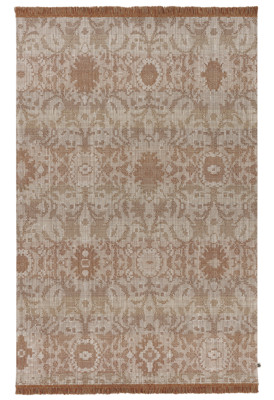
Limited Edition
Elixir Rug
Elixir Rug – flat-woven in Belgium from durable polyolefin. Minimalist design, indoor & outdoor use, easy to clean, perfect for modern living.
7-10 Days
From 1.000,00 €
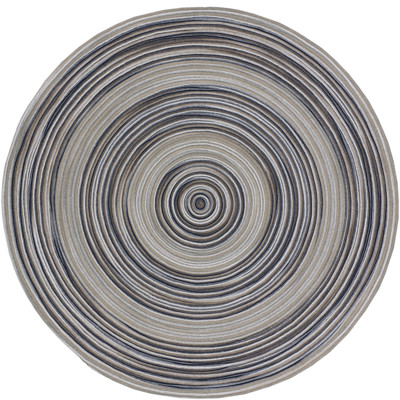
Limited Edition
Levante Rug
Levante Rug – timeless elegance with refined texture. Woven in Belgium, designed for modern interiors with clarity, balance, and calm presence.
7-10 Days
From 1.000,00 €
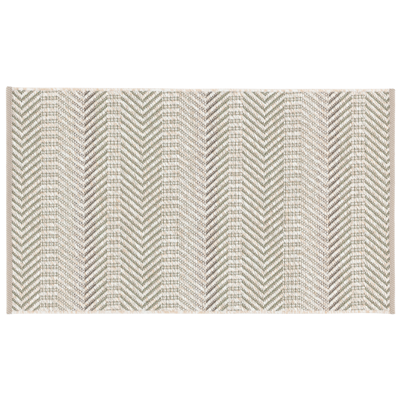
Limited Edition
Lakeside Rug
Lakeside Rug – stylish and durable. Brings effortless texture to your home, inside or out. Easy-care comfort with a modern look.
7-10 Days
From 1.000,00 €
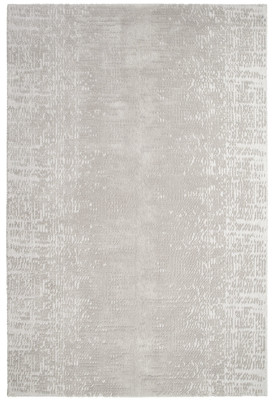
Limited Edition
Maestro Matrix Rug
Maestro Matrix Rug – sleek geometry meets silk-wool luxury. Sophisticated texture and depth for elegant, expressive living spaces.
7-10 Days
From 1.000,00 €
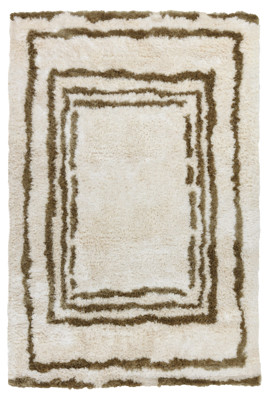
Limited Edition
Majestic Rug
Majestic Rug – where quiet luxury meets tactile depth. Silk-like texture, timeless tones, and tailored elegance for elevated interior spaces.
SOLD OUT
From 1.000,00 €
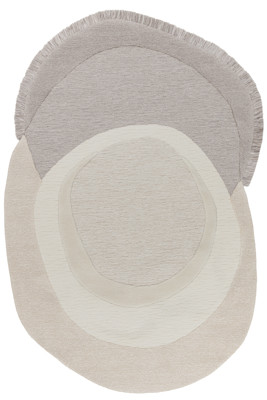
Limited Edition
Zumba Octavo
Zumba Octavo Rug – sculpted wool in organic form. A bold, tactile design with rich texture and flowing lines for expressive modern interiors.
7-10 Days
From 1.000,00 €
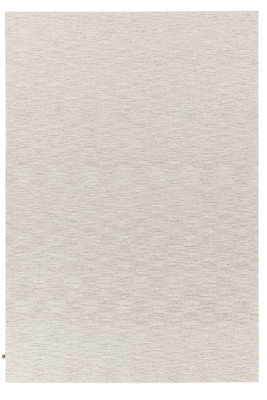
Limited Edition
Tundra Rug
Tundra Rug – rich wool texture meets organic calm. A sculpted, timeless surface that grounds interiors with natural elegance.
7-10 Days
From 1.000,00 €
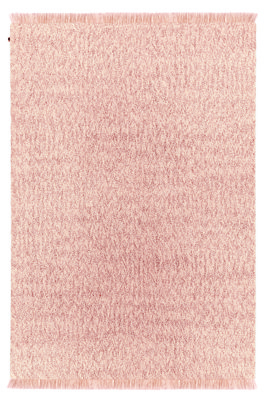
Limited Edition
Zumba Highland Rug
Zumba Highland Rug – bold wool textures with sculpted depth and organic shape. A statement piece for modern interiors with natural flow.
7-10 Days
From 1.000,00 €
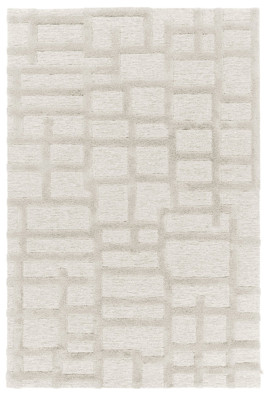
Limited Edition
Zumba Grado Rug
Zumba Grado Rug – sculpted wool texture with flowing lines and quiet depth. A modern statement for interiors shaped by natural softness.
7-10 Days
From 1.000,00 €
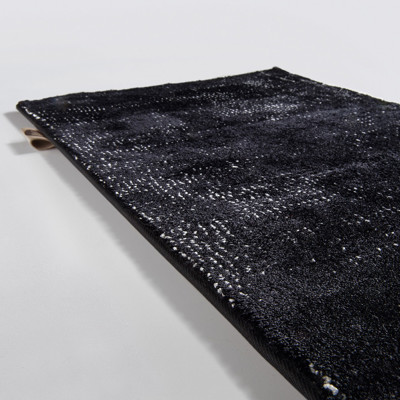
Limited Edition
Trendy Rug
Trendy rug by Limited Edition – woven in Belgium from 100% viscose. Minimalist design with subtle sheen and timeless elegance.
7-10 Days
From 1.000,00 €
Limited Edition
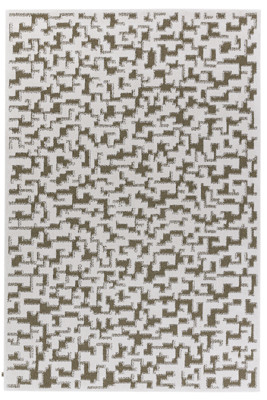
Tonic Nomad Rug
Tonic Nomad rug – hand-tufted in Belgium from wool and silk, inspired by nomadic patterns and timeless elegance.
7-10 Days
From 1.000,00 €
Limited Edition
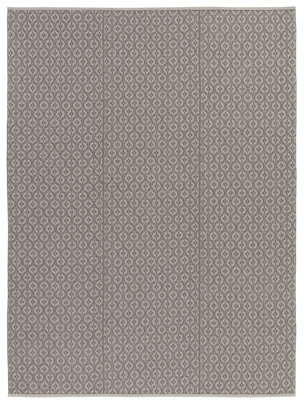
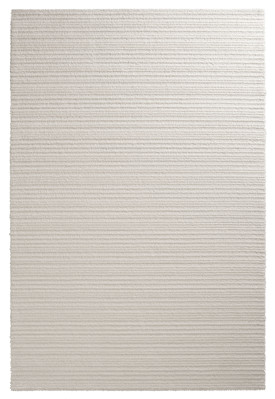
Superfino Rug
Superfino Rug in Turtledove – pure wool elegance, Belgian craftsmanship and custom sizing in a soft, contemporary neutral.
7-10 Days
From 1.000,00 €
Limited Edition
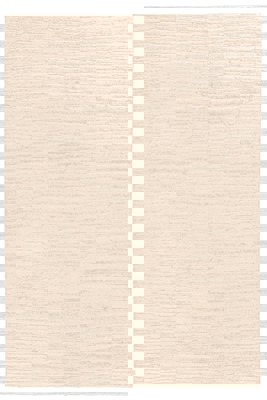
Samoa Lassa Rug
Samoa Lassa Rug – handcrafted in Belgium from 100% New Zealand wool. Luxurious pile, natural warmth, and timeless elegance.
7-10 Days
From 1.000,00 €
Limited Edition
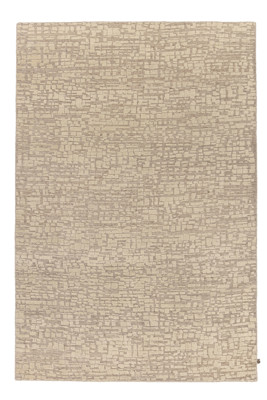
Samoa Polka Rug
The Samoa Polka Rug, handcrafted in Belgium, blends soft wool texture with a playful dot design – tailored elegance for modern interiors.
7-10 Days
From 1.000,00 €
Limited Edition
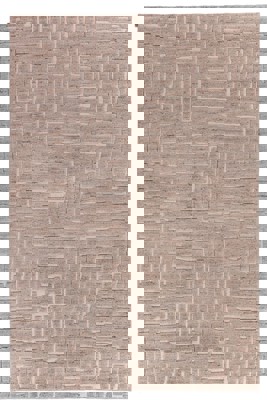
Samoa Maze Rug
Handwoven in Belgium, the Samoa Maze Rug unites soft wool comfort with a bold geometric pattern – a refined statement for modern interiors.
7-10 Days
From 1.000,00 €
Limited Edition
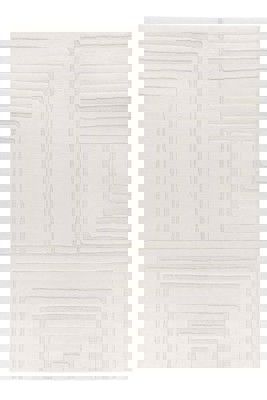
Samoa Geo Rug
Handwoven in Belgium, the Samoa Geo Rug blends pure wool softness with a bold geometric design – refined luxury for contemporary spaces.
7-10 Days
From 1.000,00 €
Limited Edition
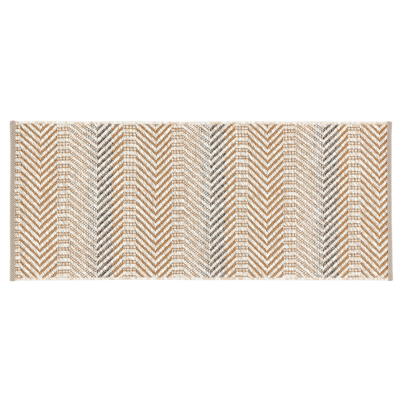
Lakeside Nano Rug
Lakeside Nano Rug – compact, durable, and ready to use. Perfect for kitchens, hallways, or outdoor spaces. Easy to clean, modern, and stylish.
7-10 Days
From 100,00 €
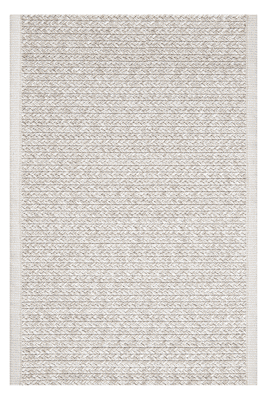
Limited Edition
Poolside Nano Rug
Poolside Nano Rug – Woven in Belgium from recycled vinyl
7-10 Days
From 100,00 €