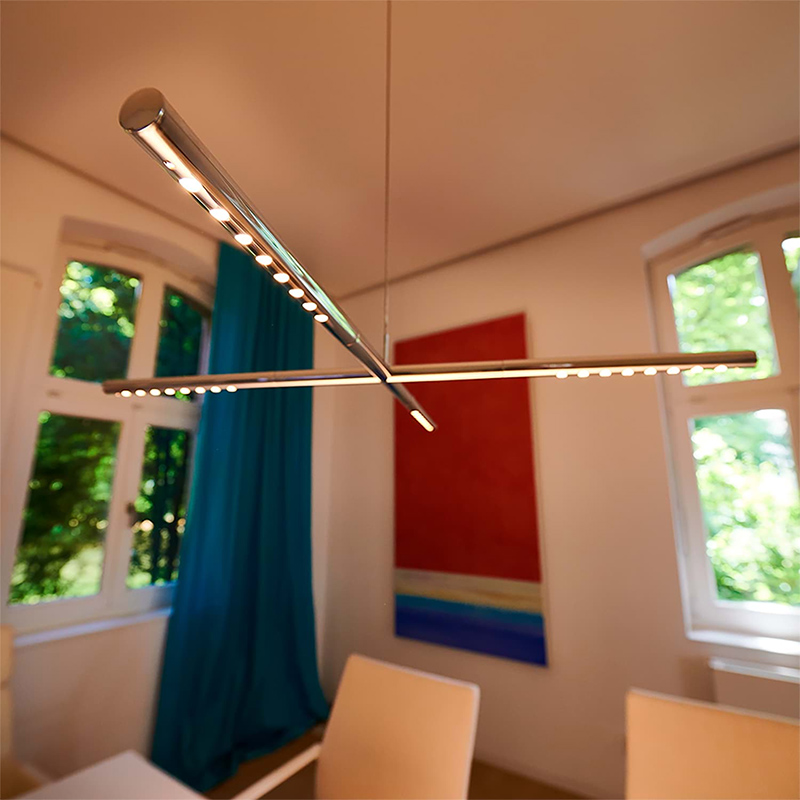
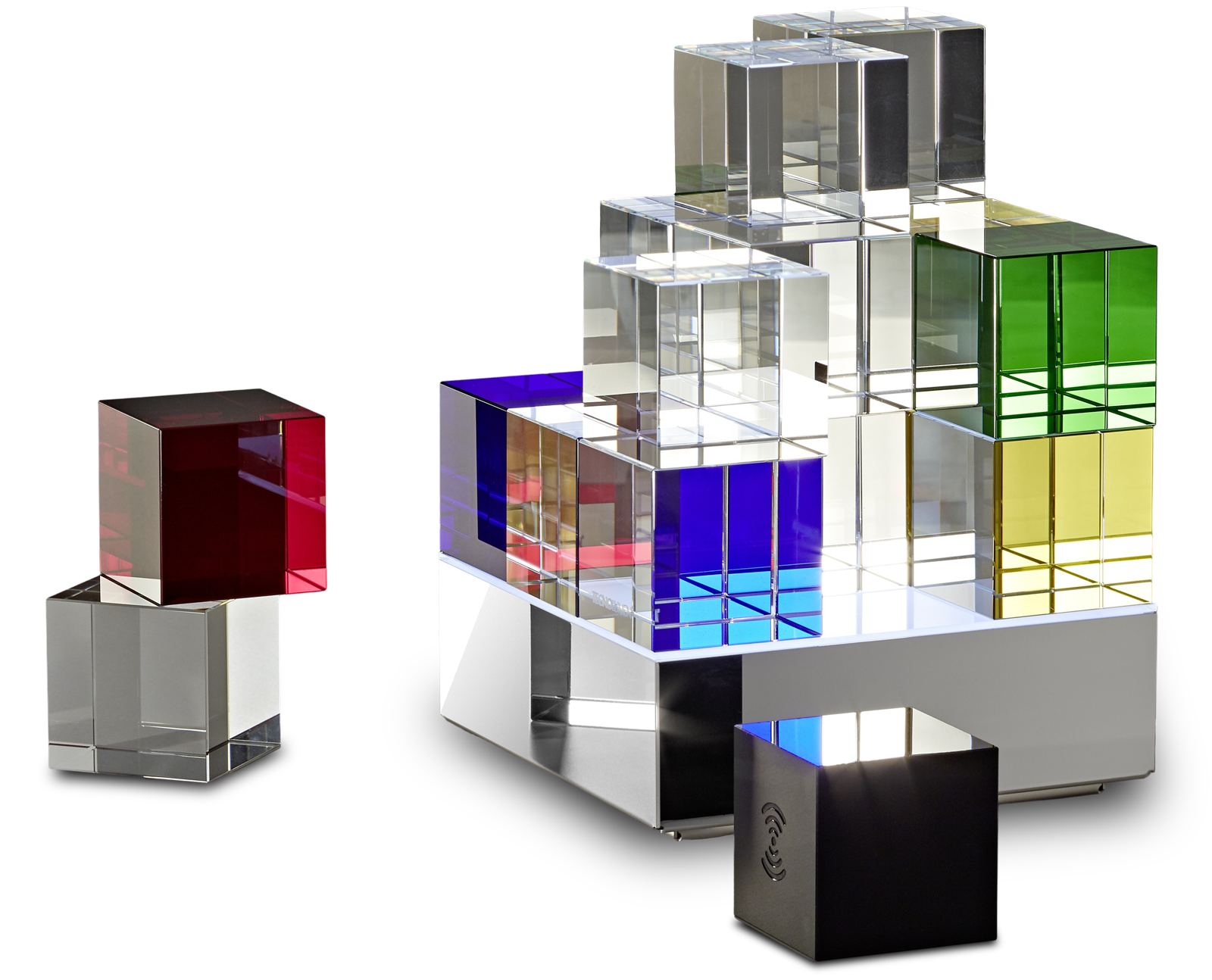
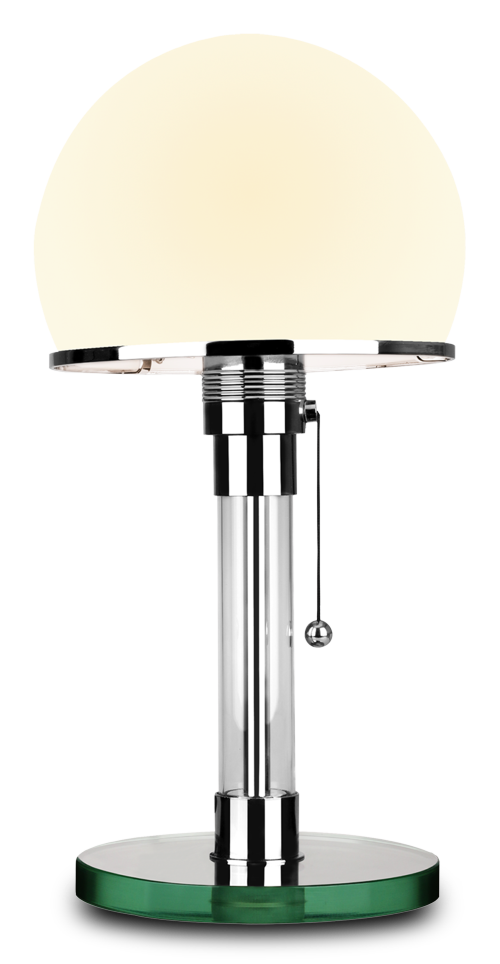
This design classic is based on Bauhaus architecture and allows an infinite number of geometric design options and color combinations.
Explore
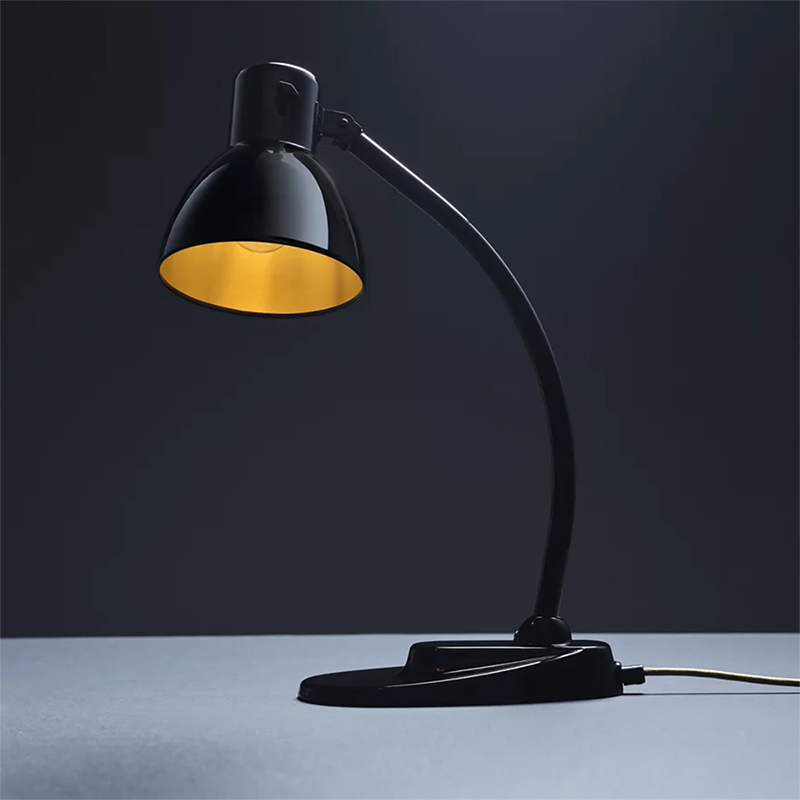
An adjustable task lamp rooted in the Bauhaus metal workshop. Kandem lamps emphasize mechanics and precision, combining function.
View
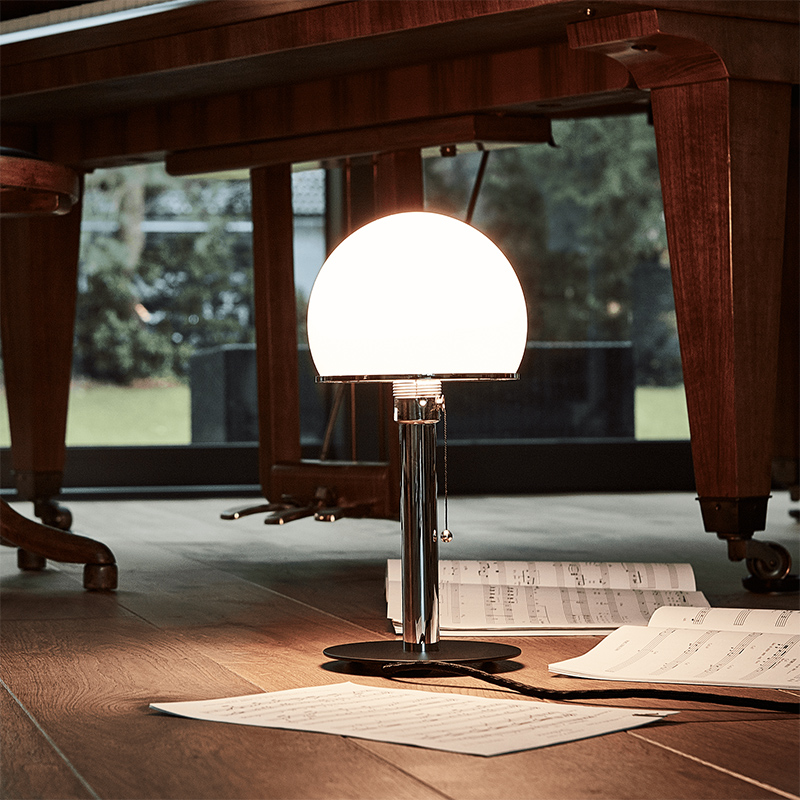
A classic Bauhaus table lamp defined by clarity and balance. Opal glass and metal create calm, functional light shaped by Bauhaus principles.
Details
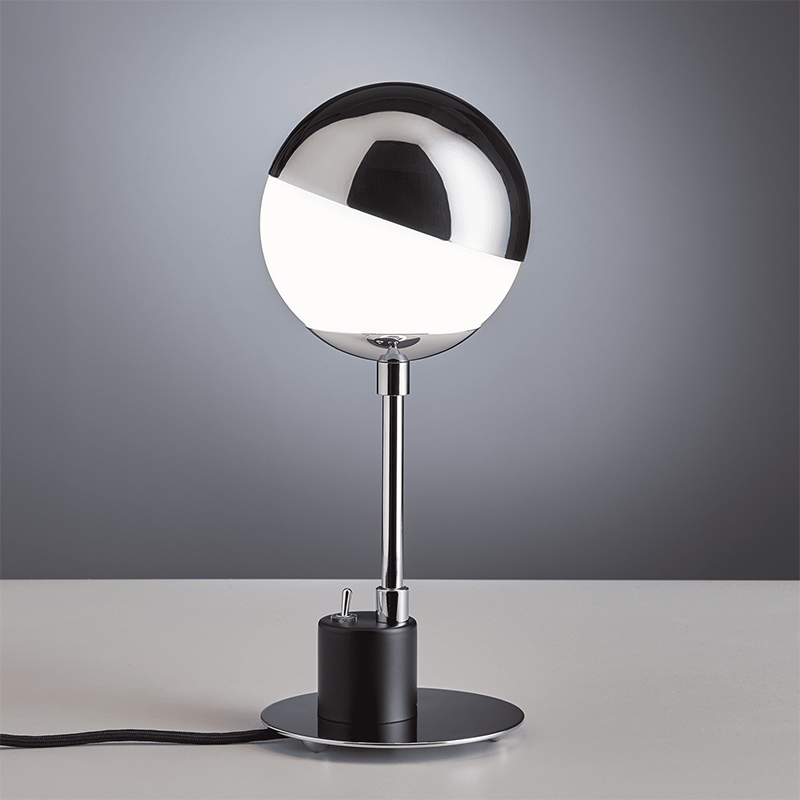
A timeless lamp based on the hemispherical form. Opal glass diffuses light evenly, creating a calm, balanced atmosphere through simple geometry.
LearnThis design classic is based on Bauhaus
architecture and allows an infinite number of geometric design options and color combinations.
The clear and reduced design creates a timeless
appearance, which is underlined by the classic materials used, glass and stainless steel.
Bauhaus lamps are not decorative objects but systems of form
and light. Geometry, material and illumination interact precisely to create clarity, orientation and a calm architectural
presence.
Bauhaus lamps translate functional clarity into light. Defined by honest materials and precise geometry, they create calm illumination for modern interiors. Explore table, floor and ceiling lamps rooted in Bauhaus thinking—timeless in form, practical in use, and made to last.
A Bauhaus lamp is a modernist lighting design defined by clear geometry, honest materials and functional light. It was created to support architecture—not to decorate it.
Key designers include Wilhelm Wagenfeld, Marianne Brandt and Christian Dell. Their work emerged from the Bauhaus metal workshop in the 1920s.
Bauhaus lighting includes table lamps, floor lamps, pendant lamps, wall lights and task lamps, each defined by spatial function and controlled light diffusion.
Yes. Some are licensed re-editions made to original specifications, while others are unlicensed copies that imitate the Bauhaus look without authentic construction.
Bauhaus lamps are shaped by clear geometry and functional intent. Form and light are conceived together — as structured elements within architecture.
Explore the essentials
Clear entry points into Bauhaus lighting—structured around real questions, practical orientation and design clarity.
Table, floor and ceiling lamps—clearly structured by use and spatial context.
Principles of form, function and proportion in Bauhaus lighting design.
How to recognize authentic designs and understand licensed re-editions.
Key designers and lighting icons that shaped modernist interiors.
Glass, metal and diffusion—what creates balanced, comfortable light.