

Limited Edition
Search results: 1-64 of 64
Limited Edition
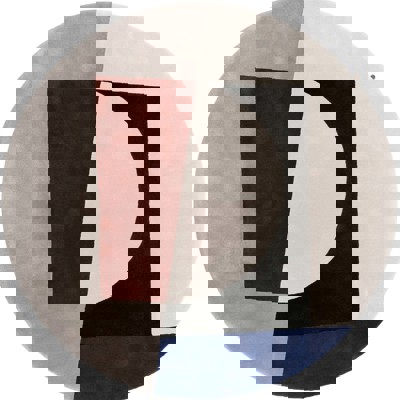
바우하우스 러그 커브 울 실크
러그 십자가의 기하학적 모양과 선은 미묘하고 정확하게 상호 작용하고 반복합니다.
7-10일
From 1.000,00 € *
Limited Edition
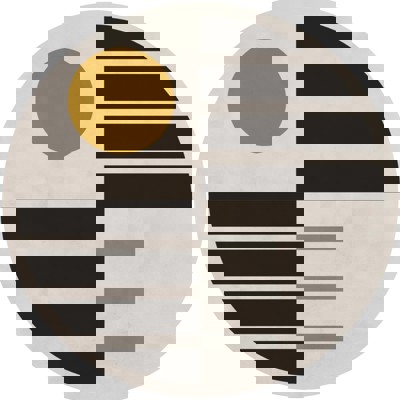
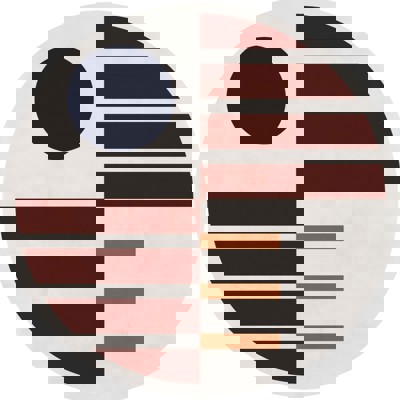
바우하우스 러그 미니멀 52
러그 십자가의 기하학적 모양과 선은 미묘하고 정확하게 상호 작용하고 반복합니다.
7-10일
From 1.000,00 € *
Limited Edition
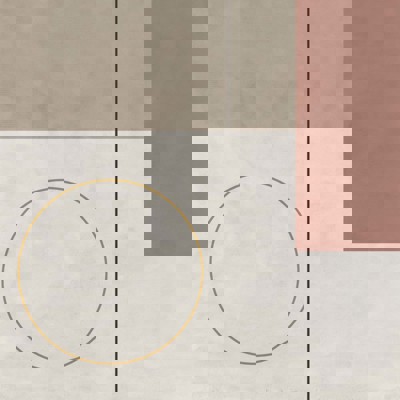
바우하우스 러그 미니멀 26
러그 십자가의 기하학적 모양과 선은 미묘하고 정확하게 상호 작용하고 반복합니다.
7-10일
From 1.000,00 € *
Limited Edition
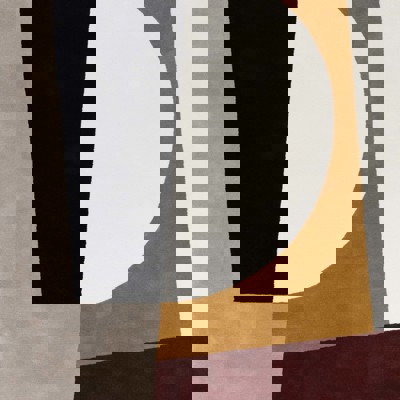
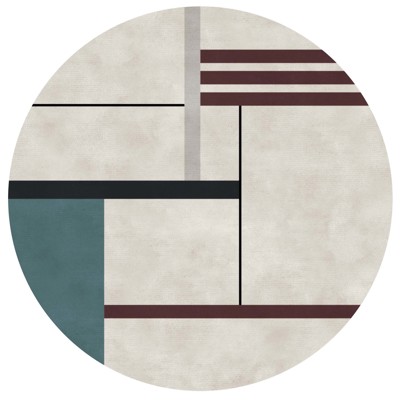
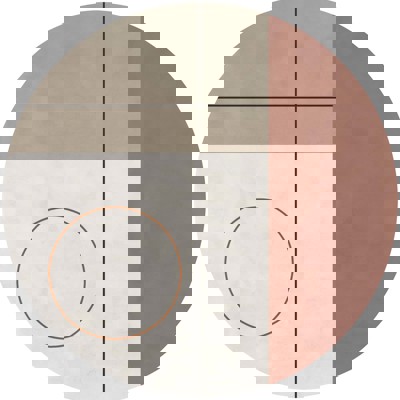
바우하우스 러그 미니멀 26
러그 십자가의 기하학적 모양과 선은 미묘하고 정확하게 상호 작용하고 반복합니다.
7-10일
From 1.000,00 € *
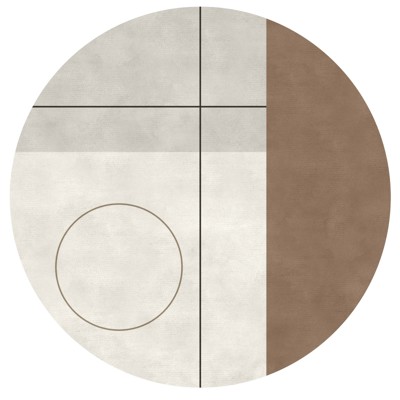
Limited Edition
바우하우스 러그 미니멀 52
러그 십자가의 기하학적 모양과 선은 미묘하고 정확하게 상호 작용하고 반복합니다.
7-10일
From 1.000,00 € *
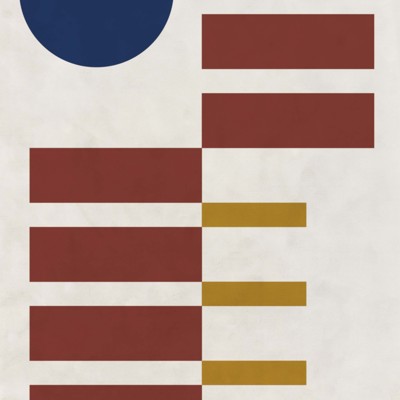
Limited Edition
바우하우스 러그 커브 울 실크
러그 십자가의 기하학적 모양과 선은 미묘하고 정확하게 상호 작용하고 반복합니다.
7-10일
From 1.000,00 € *
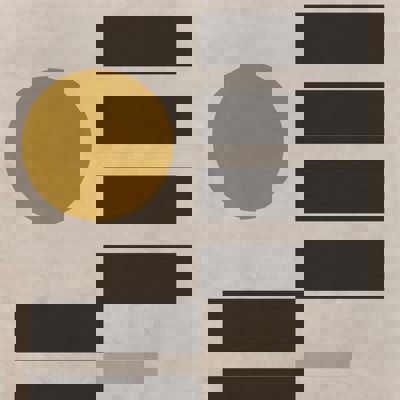
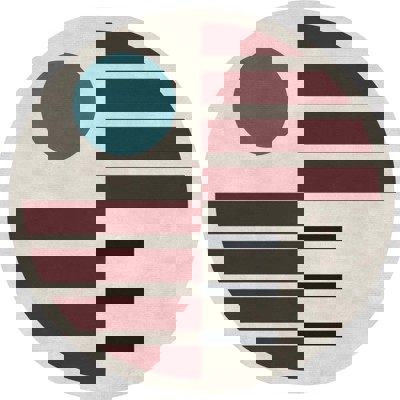
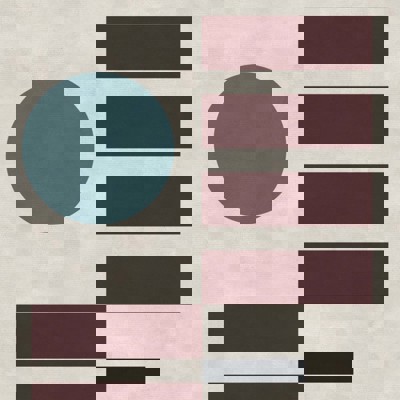
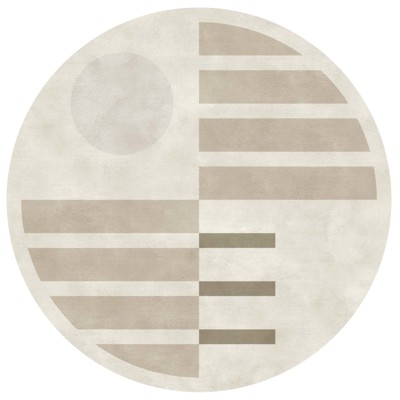
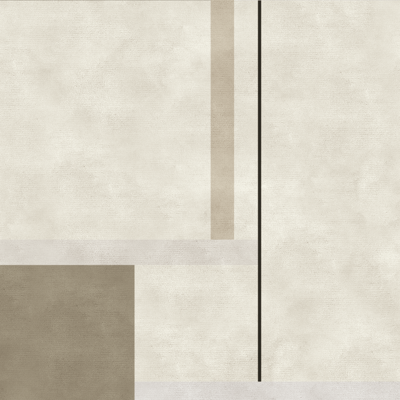
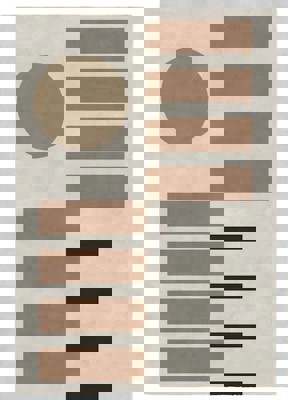
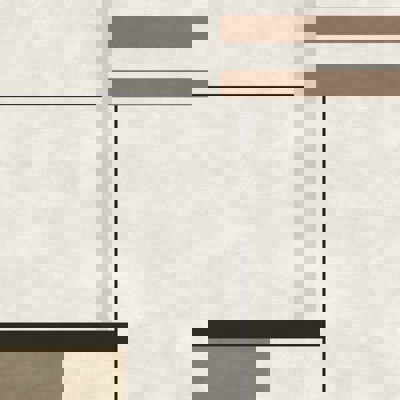
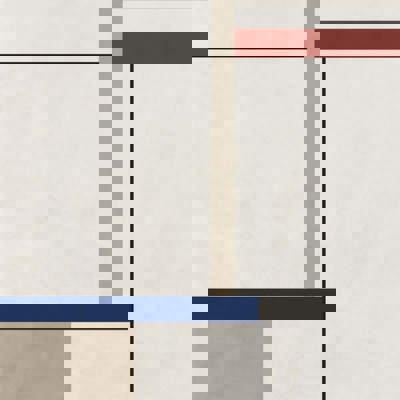
Limited Edition
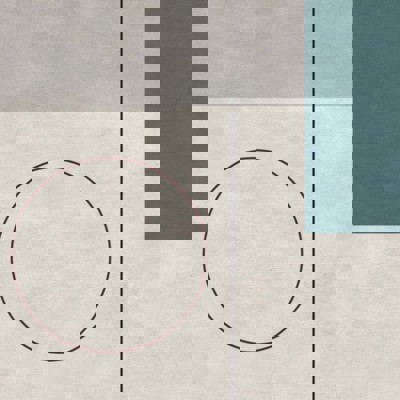
바우하우스 러그 미니멀 97
러그 십자가의 기하학적 모양과 선은 미묘하고 정확하게 상호 작용하고 반복합니다.
7-10일
From 1.000,00 € *
Limited Edition
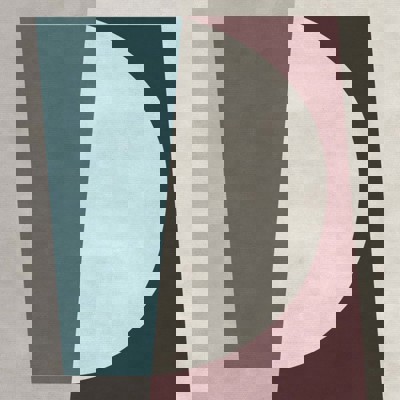
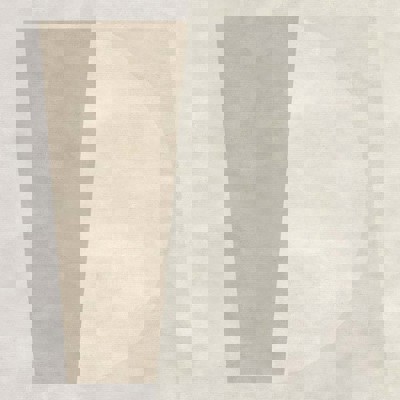
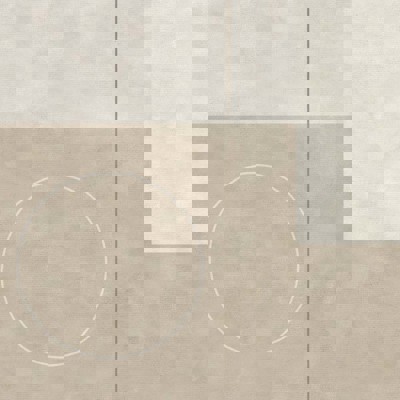
바우하우스 러그 미니멀 78
러그 십자가의 기하학적 모양과 선은 미묘하고 정확하게 상호 작용하고 반복합니다.
7-10일
From 1.000,00 € *
Limited Edition
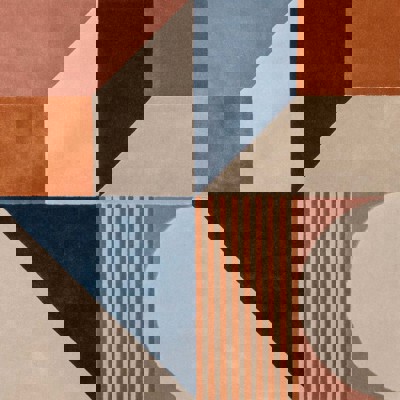
레트로 시크 러그
이 독특한 러그는 단순한 바닥 장식이 아니라, 공간에 시대를 초월한 우아함을 더해주는 예술 작품입니다.
7-10일
From 4.000,00 € *
Limited Edition
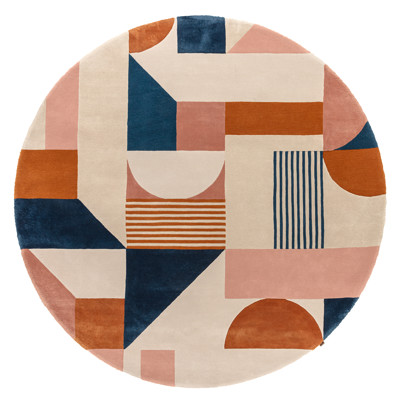
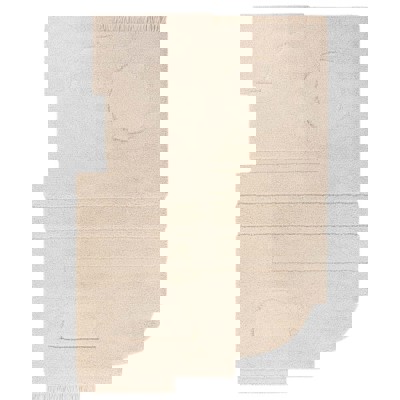
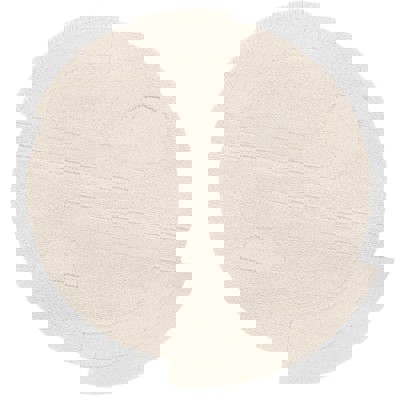
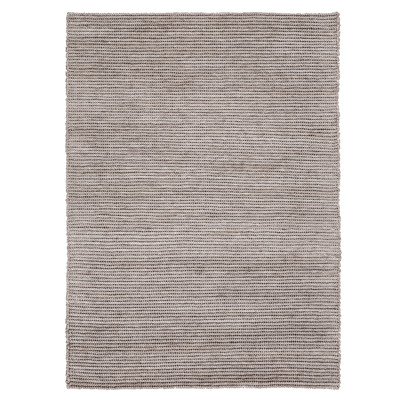
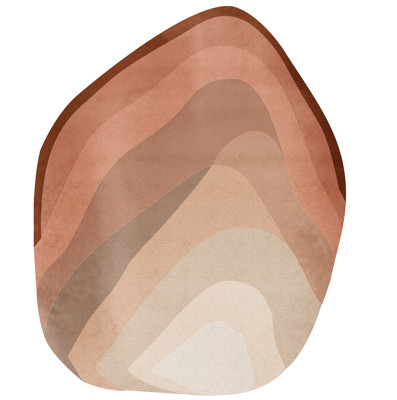
아게이트 로우 러그
아게이트 로우 러그는 세련된 디자인과 고급 소재를 결합하여 당신의 공간에 고급스럽고 현대적인 분위기를 연출합니다.
7-10일
From 1.800,00 € *
Limited Edition
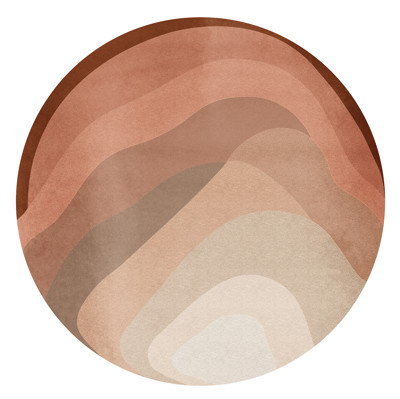
아게이트 로우 러그
아게이트 로우 러그는 세련된 디자인과 고급 소재가 조화를 이루어, 당신의 공간에 고급스럽고 현대적인 분위기를 선사합니다.
7-10일
From 1.500,00 € *
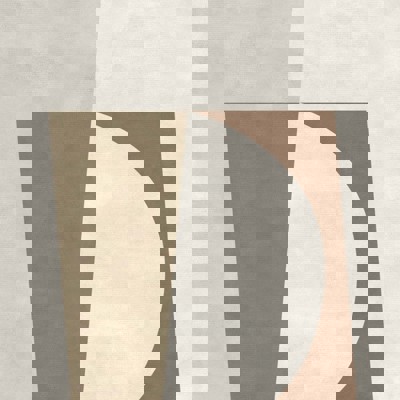
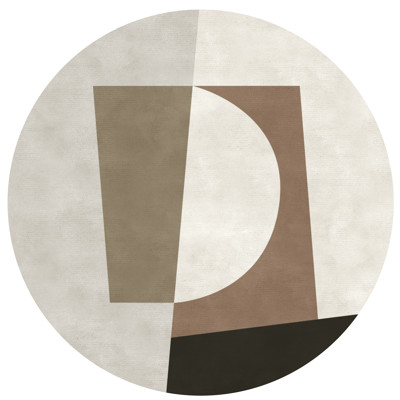
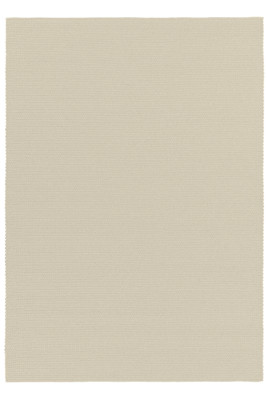
Limited Edition
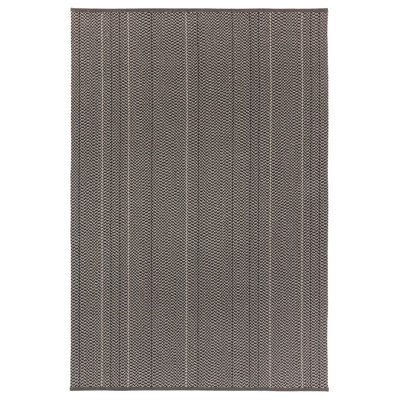
벨루가 러그
The Beluga Rug is crafted from durable polypropylene with precise braiding, offering lasting strength and a clear look—perfect for both indoor and outdoor use.
7-10일
From 2.590,00 € *
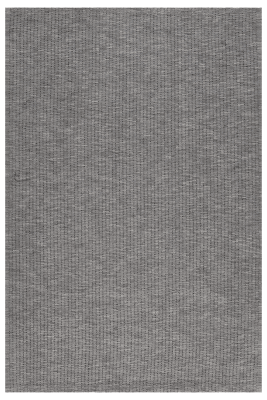
Limited Edition
벽돌 러그
재활용 가죽으로 만든 벽돌 러그 – 명확한 디자인, 고급 소재와 솜씨로 스타일리시하고 시대를 초월한 인테리어를 완성합니다.
7-10일
From 2.200,00 € *
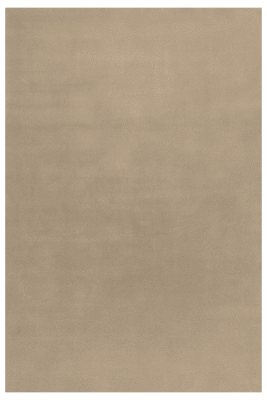
Limited Edition
칼리스토 러그
리미티드 에디션의 칼리스토 러그 – 부드럽거나 강렬한 색상 그라데이션의 고급스러운 울 소재, 세련되고 스타일리시한 인테리어를 위해 벨기에에서 수작업으로 제작되었습니다.
7-10일
From 1.000,00 € *
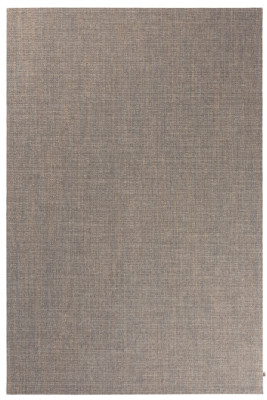
Limited Edition
시크 러그
고급 러그 by Limited Edition – 벨기에에서 평직으로 직조, 정교한 트위드 질감. 시대를 초월한 우아함, 고품질 린넨 혼합 소재로 제작.
7-10일
From 1.000,00 € *
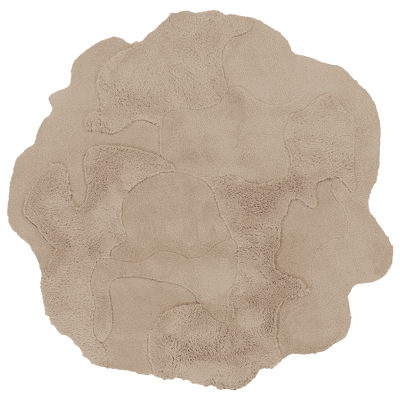
Limited Edition
코스믹 코쿤 러그
리미티드 에디션의 코스믹 코쿤 러그 – 조각적인 손으로 만든 고급 텍스처와 대담한 형태의 럭셔리. 세련된 인테리어를 위한 대표적인 작품.
7-10일
From 1.000,00 € *
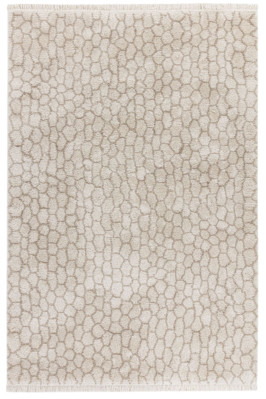
Limited Edition
코스믹 몽골리아 러그
코스믹 몽골리아 러그 – 벨기에에서 수작업으로 만든 제품입니다. 천연 소재, 풍부한 질감, 시대를 초월하는 디자인. 현대적인 인테리어를 위한 세련된 진술입니다.
7-10일
2.900,00 € *
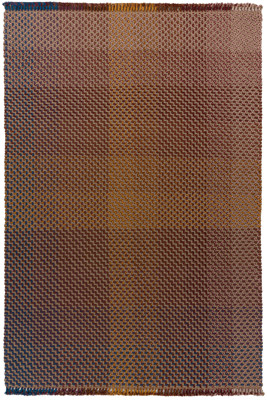
Limited Edition
다카르 러그
다카르 러그는 시골의 질감과 도시의 세련미를 조화한 제품으로 내구성, 스타일리시함, 현대적 인테리어에 완벽한 선택입니다.
7-10일
From 1.000,00 € *
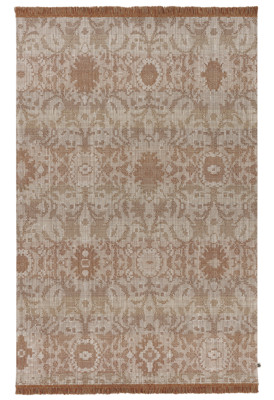
Limited Edition
엘릭서 러그
엘릭서 러그 – 내구성이 뛰어난 폴리올레핀으로 벨기에에서 평직. 미니멀한 디자인, 실내 및 실외 사용 가능, 현대적인 일상 생활에 적합한 쉬운 관리.
7-10일
From 1.000,00 € *
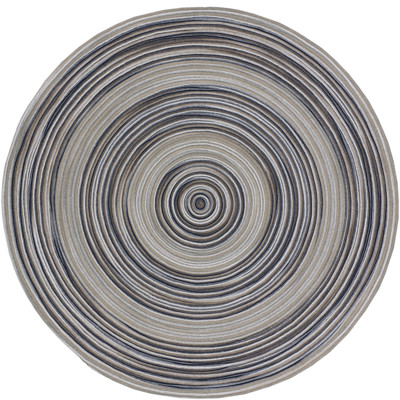
Limited Edition
레반테 러그
레반테 러그 – 세련된 질감과 함께하는 시대를 초월한 우아함. 벨기에에서 직조되고, 명확성, 균형, 그리고 차분한 존재감을 가진 현대적인 실내 디자인을 위해 설계되었습니다.
7-10일
From 1.000,00 € *
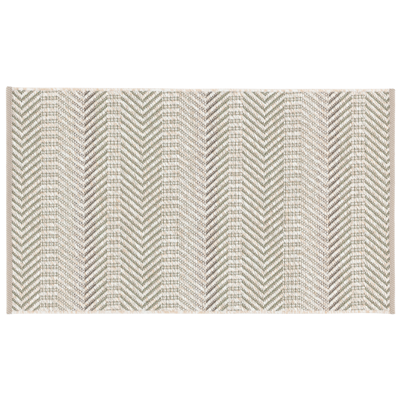
Limited Edition
레이크사이드 러그
레이크사이드 러그 – 스타일리시하고 내구성이 뛰어납니다. 실내외 어디든지 집에 자연스러운 질감을 제공합니다. 현대적인 외관과 함께 손쉬운 관리의 편안함을 제공합니다.
7-10일
From 1.000,00 € *
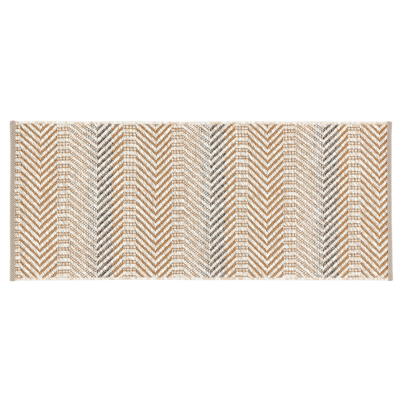
Limited Edition
레이크사이드 나노 러그
Lakeside Nano Rug – 작고 내구성이 뛰어나며 사용 준비 완료. 주방, 복도 또는 야외 공간에 적합합니다. 청소가 쉽고 현대적이며 세련된 디자인.
7-10일
From 100,00 € *
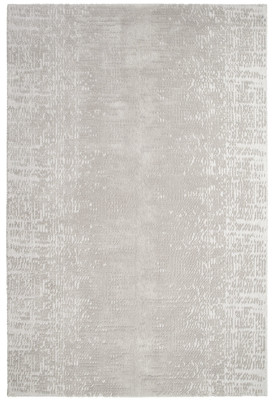
Limited Edition
마에스트로 매트릭스 러그
마에스트로 매트릭스 러그 – 세련된 기하학이 실크-울의 럭셔리함과 만납니다. 세련되고 표현력 있는 생활 공간을 위한 정교한 질감과 깊이.
7-10일
From 1.000,00 € *
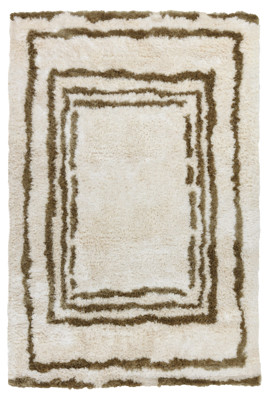
Limited Edition
'Majestic Rug'의 한국어 번역은 '위풍당당한 러그'입니다.
매제스틱 러그 – 고요한 럭셔리와 촉각 깊이가 만나는 곳. 비단처럼 부드러운 질감, 시대를 초월한 색조, 세련된 우아함으로 고급스러운 실내 공간을 연출합니다.
품절
From 1.000,00 € *
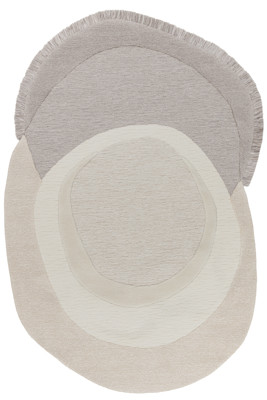
Limited Edition
줌바 옥타보
줌바 옥타보 러그 – 유기적인 형태의 조각된 양모. 현대적인 표현력이 있는 실내 공간을 위한 풍부한 질감과 유려한 선이 돋보이는 대담하고 촉감적인 디자인.
7-10일
From 1.000,00 € *
Limited Edition
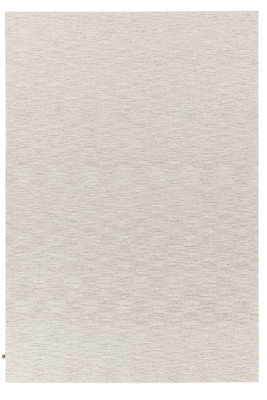
툰드라 러그
툰드라 러그 – 풍부한 울 텍스처가 유기적인 평온함과 만납니다. 조각된, 시대를 초월한 표면이 자연의 우아함으로 실내를 안정시킵니다.
7-10일
From 1.000,00 € *
Limited Edition
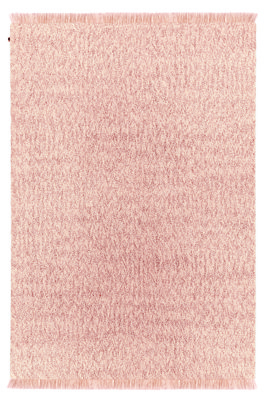
줌바 하이랜드 러그
줌바 하이랜드 러그 – 조각된 깊이와 유기적인 형태가 돋보이는 대담한 울 텍스처. 자연스러운 흐름을 갖춘 현대적 인테리어를 위한 강력한 장식품.
7-10일
From 1.000,00 € *
Limited Edition
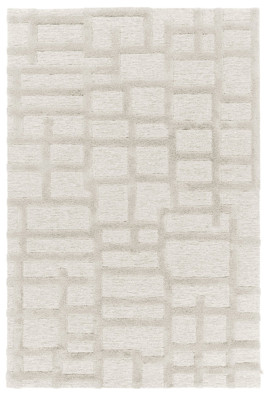
줌바 그라도 러그
줌바 그라도 러그 – 조각된 양모 질감은 흐르는 선과 조용한 깊이가 특징입니다. 자연의 부드러움에 의해 형성된 실내 공간에 현대적인 진술을 제공합니다.
7-10일
From 1.000,00 € *
Limited Edition
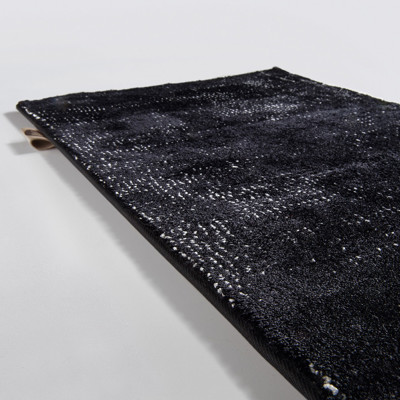
트렌디 러그
Limited Edition의 트렌디 러그 – 벨기에에서 100% 비스코스로 직조되었습니다. 미니멀한 디자인에 미묘한 광택과 타임리스한 우아함을 더했습니다.
7-10일
From 1.000,00 € *
Limited Edition
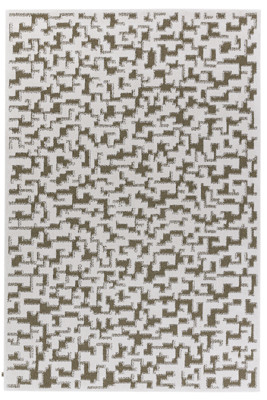
토닉 노마드 러그
토닉 노마드 러그 – 벨기에에서 양모와 실크로 수작업한 터프팅, 유목민 패턴과 시대를 초월한 우아함에서 영감을 받았습니다.
7-10일
From 1.000,00 € *
Limited Edition
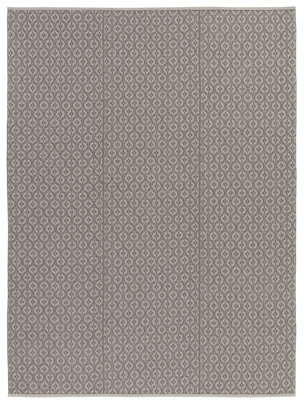
테라자 러그
테라자 러그 – 실내외에서 스타일리시한 포인트. 벨기에에서 수작업으로 제작되었으며, 내후성, 간편한 관리 및 고유한 공간에 맞게 맞춤 제작 가능합니다.
7-10일
From 1.000,00 € *
Limited Edition
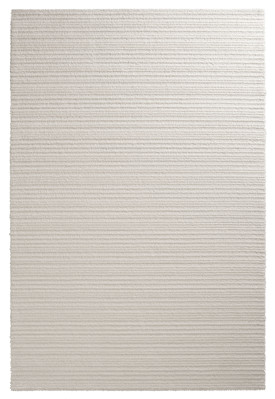
'Superfino Rug'을 한국어로 번역합니다.
터틀도브 색상의 슈퍼피노 러그 – 순수 울의 우아함, 벨기에의 장인 정신, 부드럽고 현대적인 중립 색상으로 맞춤 제작.
7-10일
From 1.000,00 € *
Limited Edition
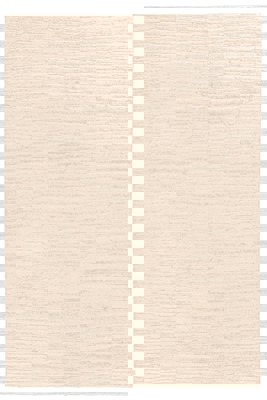
사모아 라사 러그
사모아 라사 러그 – 뉴질랜드산 양모 100%로 벨기에에서 수작업된 제품입니다. 고급스러운 파일, 자연스러운 따뜻함, 그리고 시간에 구애받지 않는 우아함.
7-10일
From 1.000,00 € *
Limited Edition
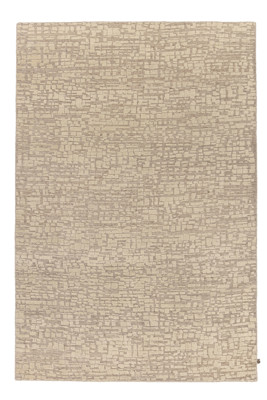
사모아 폴카 러그
사모아 폴카 러그는 벨기에에서 수공예로 제작되었으며, 부드러운 양모 질감과 즐거운 점무늬 디자인이 조화를 이루어 현대적인 실내 공간에 맞는 우아함을 제공합니다.
7-10일
From 1.000,00 € *
Limited Edition
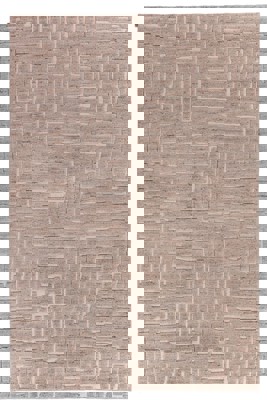
사모아 미로 러그
벨기에에서 손으로 짜여진 사모아 메이즈 러그는 부드러운 양모의 편안함을 대담한 기하학적 패턴과 결합하여 현대적인 실내 공간에 세련된 감각을 더합니다.
7-10일
From 1.000,00 € *
Limited Edition
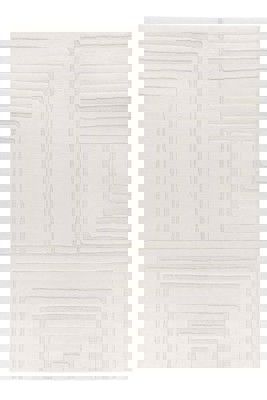
삼아오아 지오 러그
벨기에에서 수제로 짜여진 사모아 지오 러그는 순수한 양모의 부드러움을 대담한 기하학적 디자인과 결합하여 현대적인 공간을 위한 정제된 럭셔리를 제공합니다.
7-10일
From 1.000,00 € *
Limited Edition
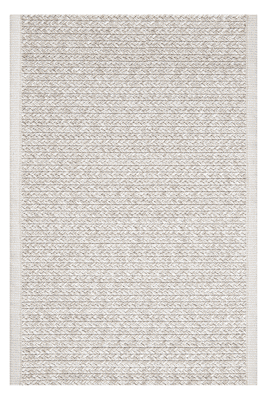
풀사이드 나노 러그
Poolside Nano Rug – 벨기에에서 재활용 비닐 및 유리섬유로 제작되었습니다. UV 저항성이 있으며, 내구성이 뛰어나 실내 및 실외 공간에 완벽합니다.
7-10일
From 100,00 € *
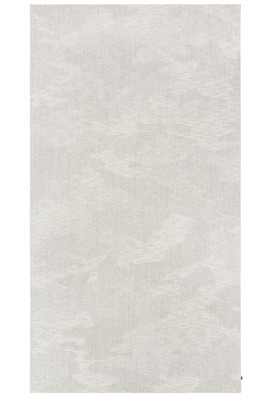
Limited Edition
피지 러그
피지 러그 – 내구성이 뛰어난 폴리올레핀으로 벨기에에서 직조되었습니다. 실내외 모두 사용 가능하며 여유로운 질감과 현대적인 섬에서 영감을 받은 매력을 제공합니다.
7-10일
From 1.000,00 € *