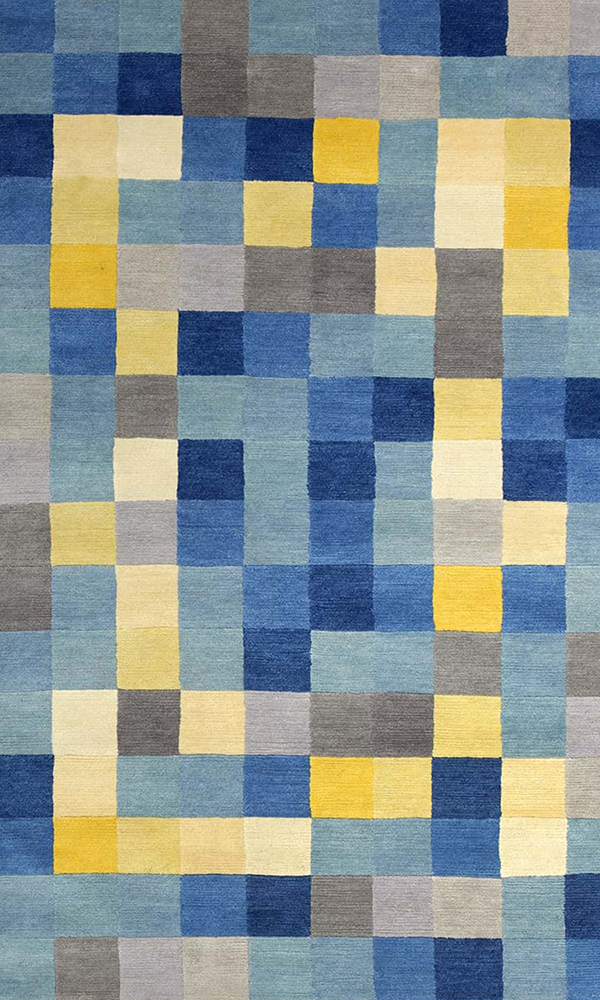
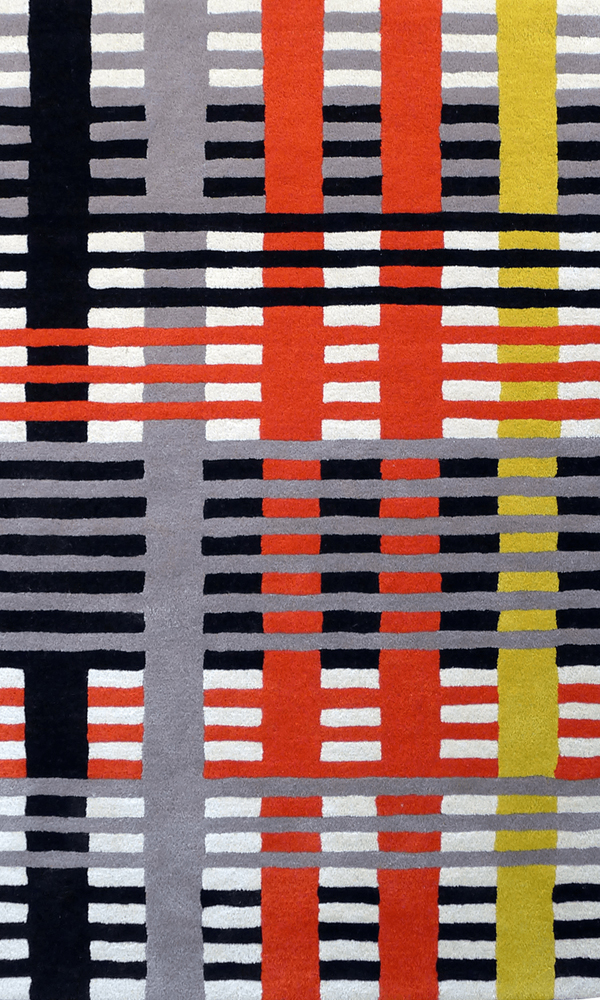
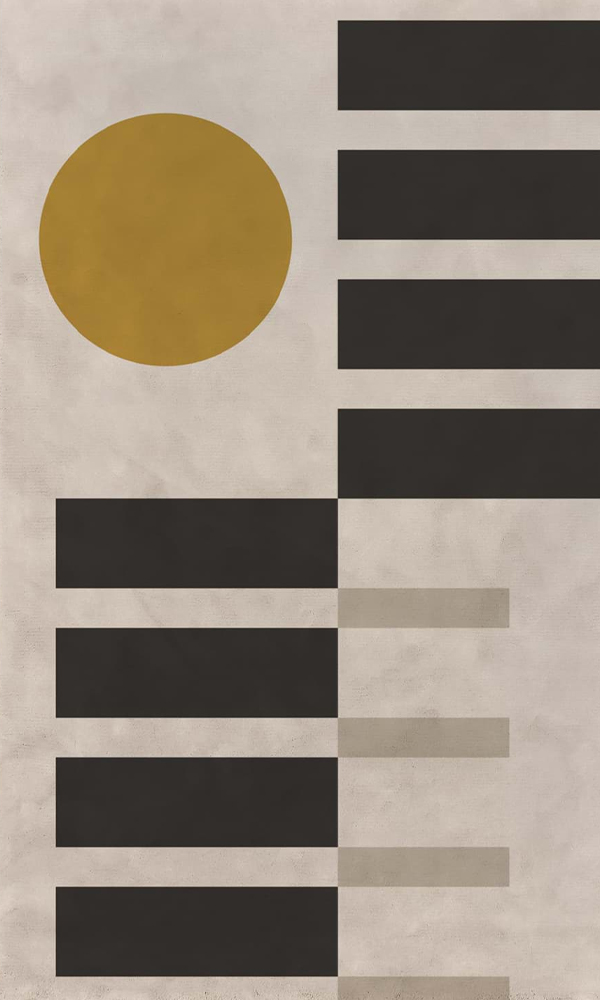
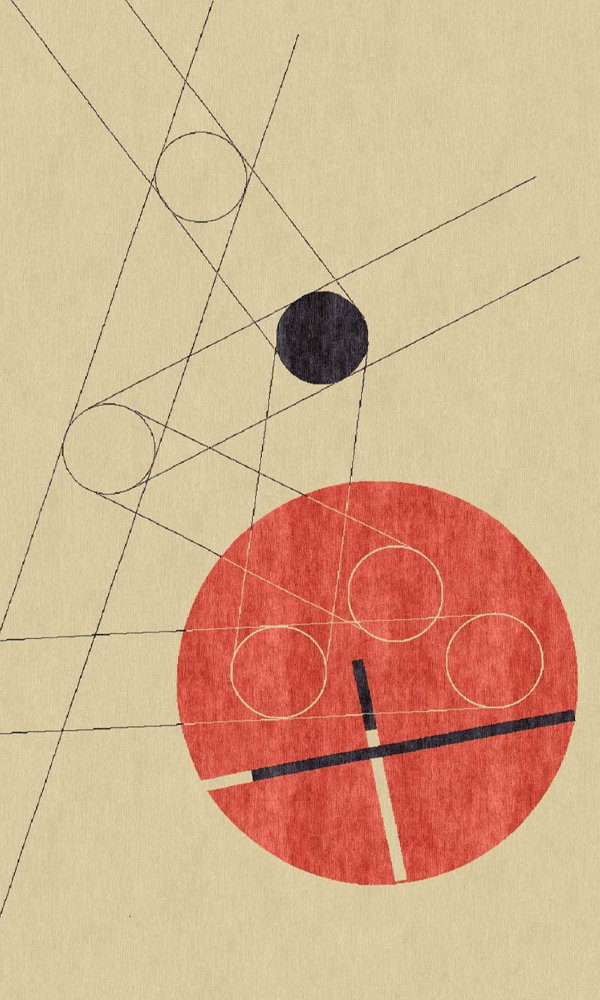
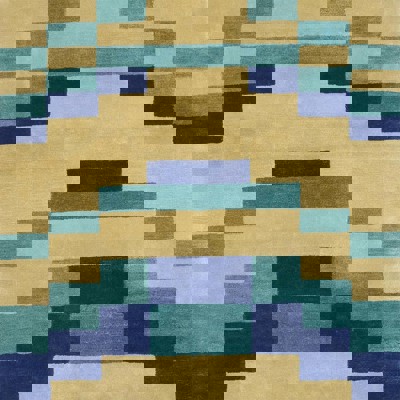
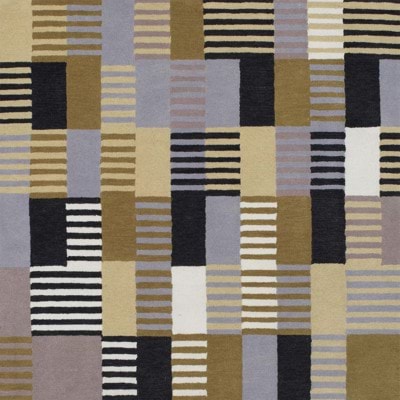
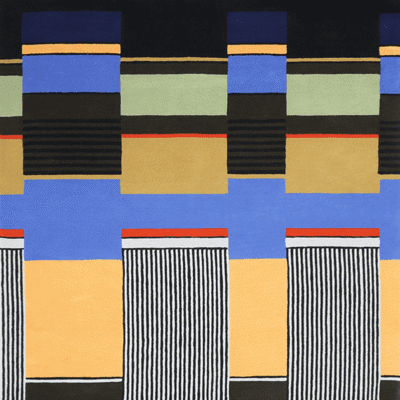
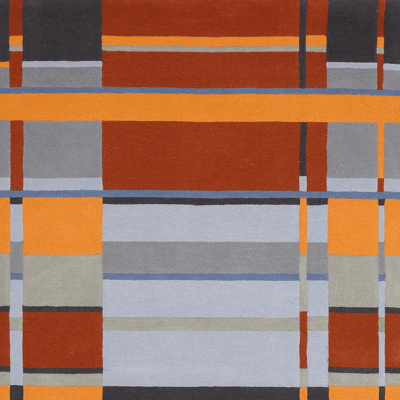
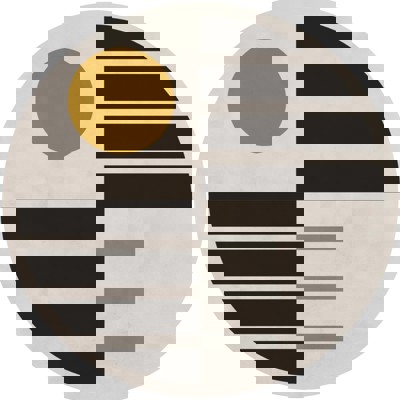
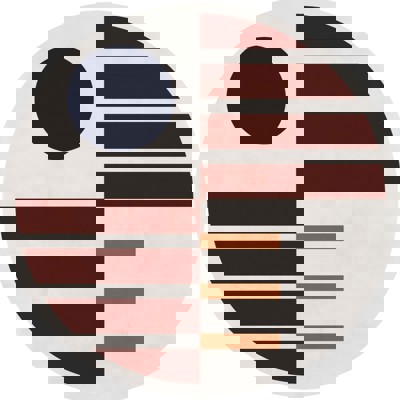
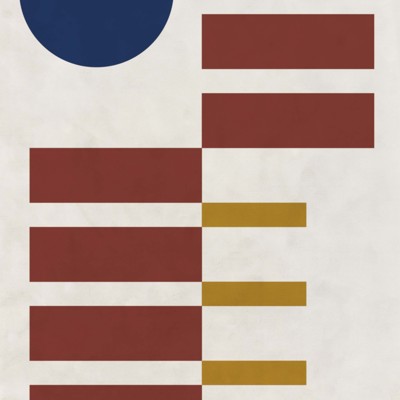
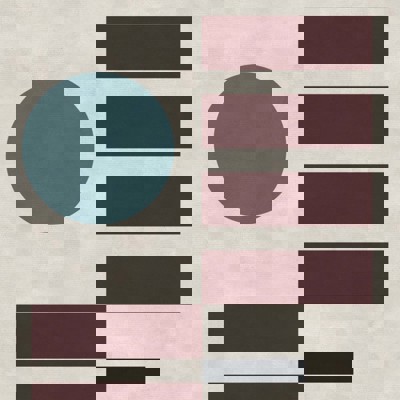
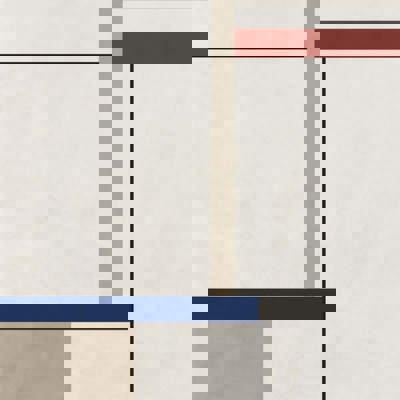
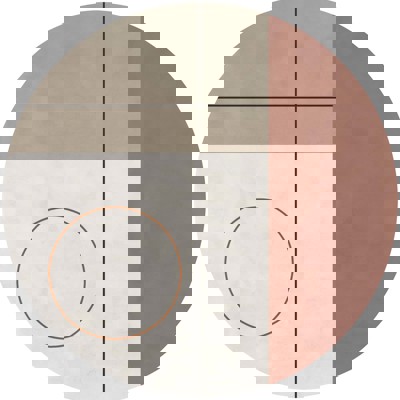
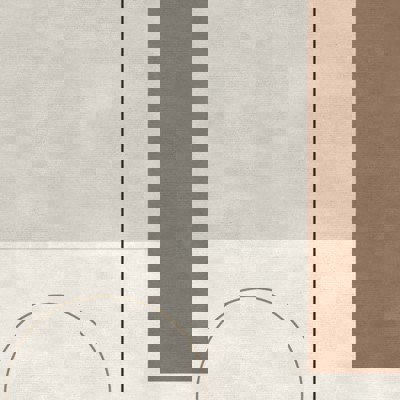
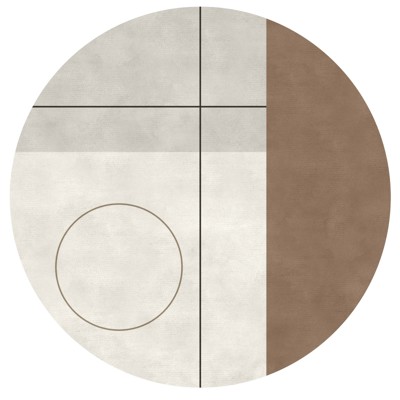
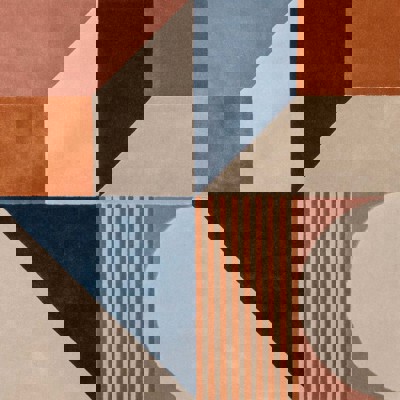
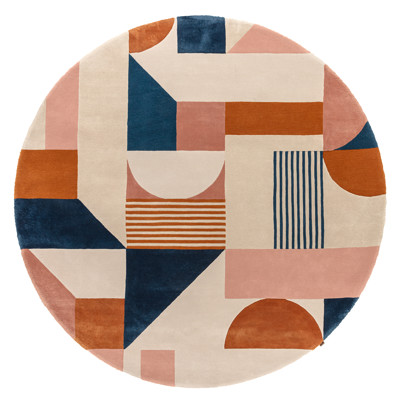
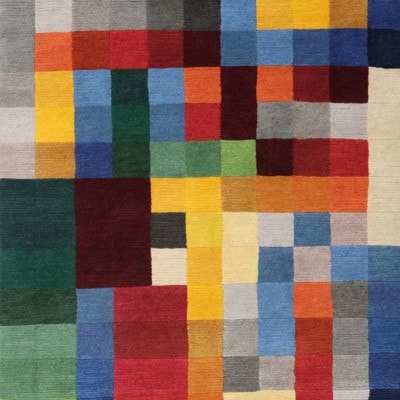
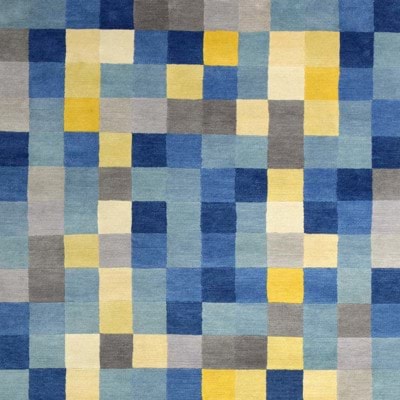
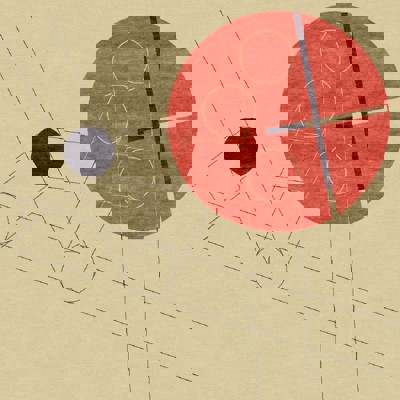
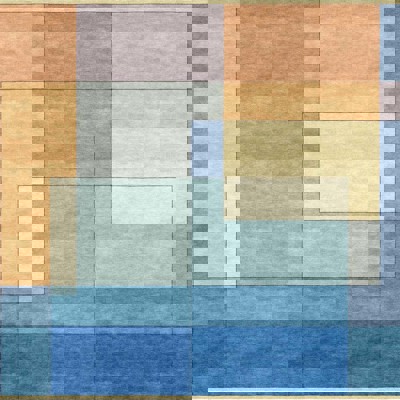
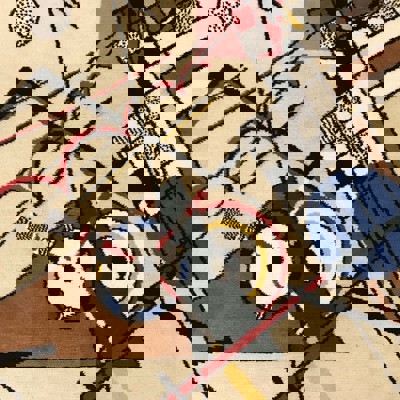
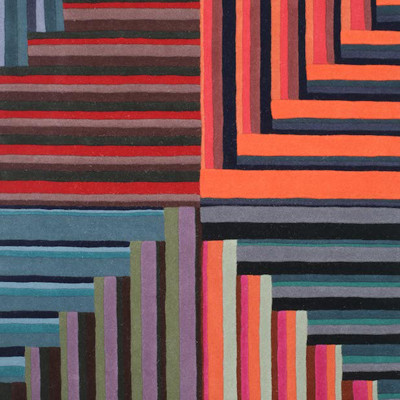
Las alfombras geométricas Bauhaus expresan el diseño modernista a través de la estructura, el color y la forma. Inspirados por artistas de la Bauhaus como Wassily Kandinsky y Paul Klee, estos textiles traducen la composición abstracta en superficies tejidas que definen el espacio con claridad y equilibrio.
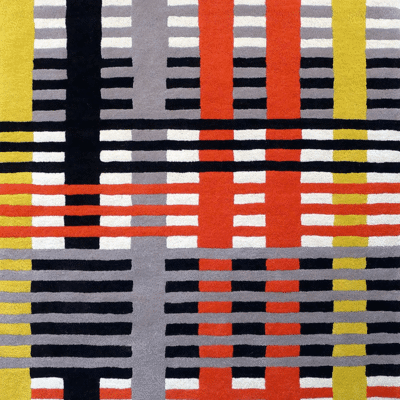
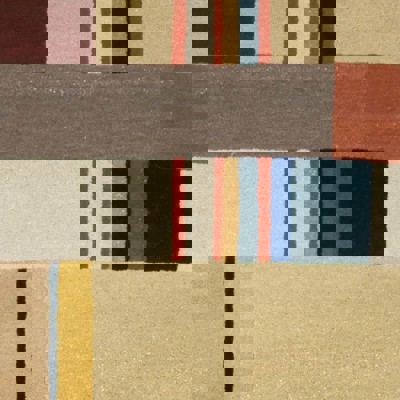
Gertrud Arndt Alfombra N.º 2
La alfombra n.º 2 fue diseñada y realizada para la habitación de Walter Gropius.
La geometría definió el lenguaje visual de la Bauhaus. Formas básicas como el círculo, el cuadrado y la línea crearon sistemas de orden, proporción y equilibrio. En el diseño textil, estos principios se convirtieron en patrones de alfombras que estructuran el espacio y reflejan un enfoque claro y funcional de la forma.
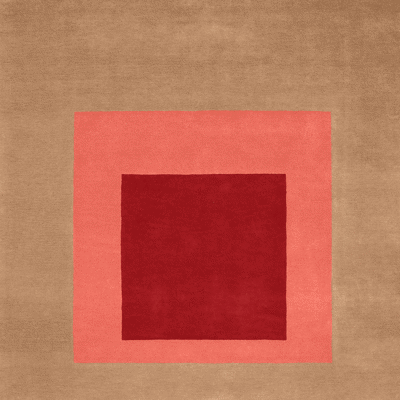
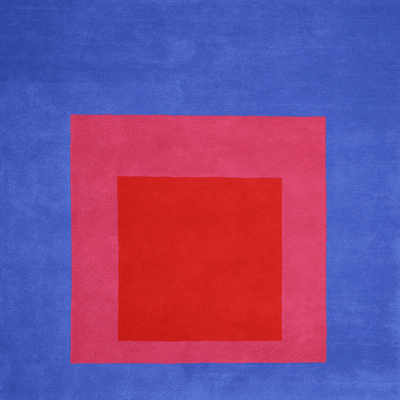
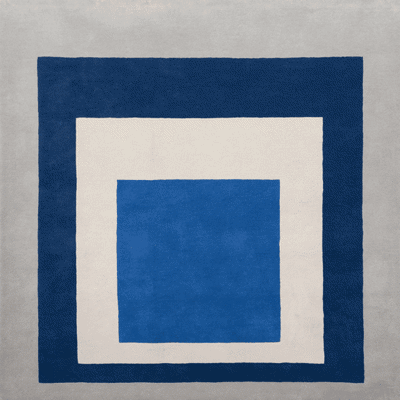
En 1950, el antiguo maestro de la Bauhaus Josef Albers comenzó su serie Homenaje a la plaza a la edad de 62 años. Durante los siguientes 26 años, Josef Albers…
En 1950, el antiguo maestro de la Bauhaus Josef Albers comenzó su serie Homenaje a la plaza a la edad de 62 años. Durante los siguientes 26 años, Josef Albers…
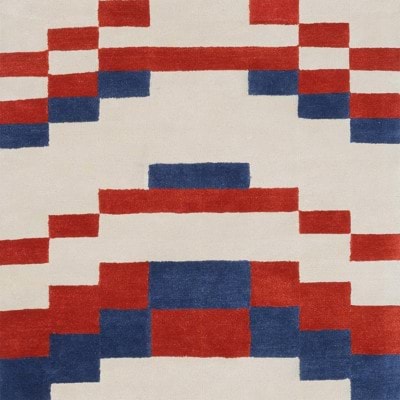
Basado en un diseño textil de Anni Albers de la década de 1920, el fabricante inglés Christopher Farr Editions ha creado este motivo como un tipi en dos tamaño…
Basado en un diseño textil de Anni Albers de la década de 1920, el fabricante inglés Christopher Farr Editions ha creado este motivo como un tipi en dos tamaño…
Basado en un diseño textil de Anni Albers de la década de 1920, el fabricante inglés Christopher Farr Editions ha creado este motivo como un tipi en dos tamaño…
Basado en un diseño textil de Anni Albers de la década de 1920, el fabricante inglés Christopher Farr Editions ha creado este motivo como un tipi en dos tamaño…
Con motivo del centenario de la Bauhaus en 2019, la manufactura inglesa Christopher Farr reedita varios diseños textiles de la maestra de la Bauhaus y diseñado…
Como única maestra femenina de la Bauhaus, la artista textil Gunta Stölzl es posiblemente la figura más influyente en la historia moderna del arte tejido occid…
En 1950, el antiguo maestro de la Bauhaus Josef Albers comenzó su serie Homenaje a la plaza a la edad de 62 años. Durante los siguientes 26 años, Josef Albers…
"El arte debe ser como unas vacaciones: algo que dé al hombre la oportunidad de ver las cosas de forma diferente y de cambiar su punto de vista". Paul Klee
La alfombra Aquila es un testimonio de la integración perfecta de la tradición y el diseño contemporáneo.
1.500,00 € *
La geometría en el diseño Bauhaus
La geometría definió el lenguaje visual de la Bauhaus. Formas básicas como el círculo, el cuadrado y la línea crearon sistemas de orden, proporción y equilibrio. En el diseño textil, estos principios se convirtieron en patrones de alfombras que estructuran el espacio y reflejan un enfoque claro y funcional de la forma.
Bauhaus Rugs, Textile Design and Modern Interiors
Bauhaus rugs bring together geometry, material clarity and spatial order in a way that remains highly relevant for contemporary
interiors. Whether described as a Bauhaus rug, Bauhaus carpet,
geometric Bauhaus rug or modern design rug, the woven surface is
not treated as decoration alone, but as part of the architecture of the room.
From the logic of the Bauhaus textile workshop to the discipline of Bauhaus textile design, these rugs connect rhythm, structure and proportion with contemporary
living. This makes them relevant for collectors, architects, interior designers and anyone searching for modern rugs with a stronger
cultural and formal foundation.
Geometry and Structure
Geometry in Bauhaus Rugs
Geometry was one of the clearest visual languages of the Bauhaus. Circle, line, square and grid were not arbitrary motifs, but
systems of order. In geometric Bauhaus rugs, these principles become woven form. Movement
becomes rhythm, rhythm becomes structure, and the carpet becomes a calm architectural surface.
This is what distinguishes a true Bauhaus-inspired rug from generic modern rugs. The strongest Bauhaus rugs are measured, balanced
and spatially aware, making them relevant both for collectors of Bauhaus design and for anyone searching for modern rugs, Bauhaus
carpets or a design rug with historical depth.
Workshop and Method
Bauhaus Textile Design and the Weaving Workshop
The foundation of this language lies in the Bauhaus textile workshop and in the
development of Bauhaus textile design. Here, textiles were understood as systems of density,
movement and structure rather than surface effect.
This is why Bauhaus wool rugs remain essential within the wider category. Natural fibers add
tactile depth, durability and softness, while preserving the material intelligence of the original weaving workshop.
Artists and Influence
Artists Behind the Bauhaus Rug Language
The Bauhaus rug vocabulary cannot be separated from the artists who shaped it. Gunta Stölzl gave the
weaving workshop a structural direction. Anni Albers expanded textile thinking through material
experimentation and architectural clarity.
A modern rug for living room use often has to do more than add softness. It defines
zones, guides movement and introduces order. This is exactly where Bauhaus thinking remains relevant. A rug becomes part of the
room’s structure rather than a decorative afterthought.
Terms such as modern rugs, design rugs, Bauhaus area rug or living room rug often overlap. What makes the Bauhaus version distinct
is the combination of clarity, proportion and material discipline found in Bauhaus area rugs and
Bauhaus style rugs.
Explora la colección completa de alfombras Bauhaus. Descubre una gama más amplia de composiciones geométricas, materiales y estructuras textiles, seleccionadas para extender el diseño modernista a los interiores contemporáneos.