
Christopher Farr
1-34 von 34
Christopher Farr
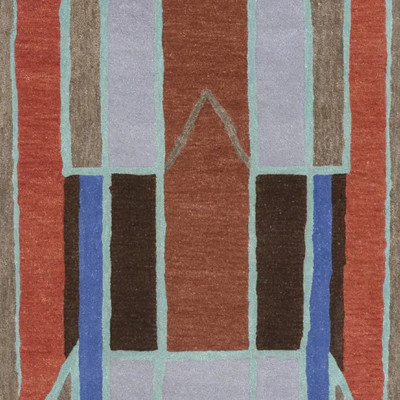
Omega Window Teppich
Der limitierte Teppich "Omega Window Rug" präsentiert postimpressionistische Ästhetik in handgefärbter Wolle.
7-10 Werktage
900,00 € *
Christopher Farr
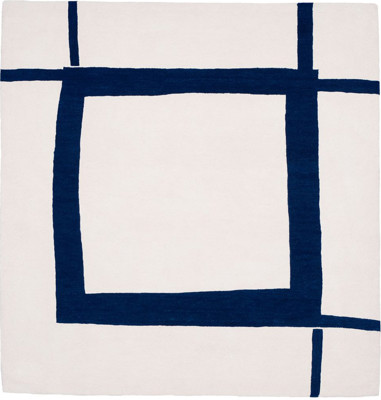
Three Squares Teppich
Erleben Sie Sandra Blows künstlerisches Vermächtnis in diesem exklusiven Teppich, der ihre wegweisende Karriere in der britischen abstrakten Kunst einfängt.
7-10 Werktage
1.150,00 € *
Christopher Farr
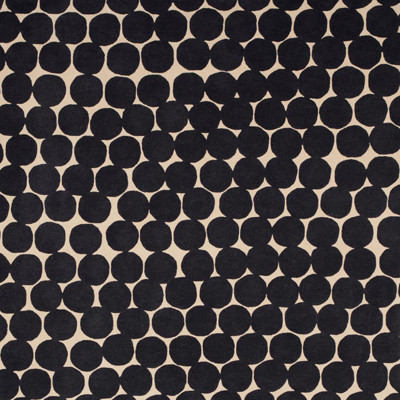
Penny Falls Teppich
Entdecken Sie Kate Blee's preisgekrönte Designs – eine Fusion von robusten, häuslichen Qualitäten und leidenschaftlicher Farbexploration.
7-10 Werktage
1.115,00 € *
Christopher Farr
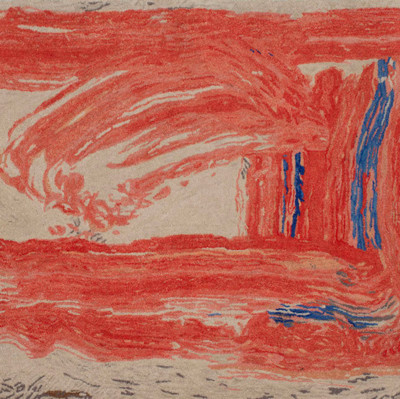
Red Sky in the Morning Teppich
Erfahren Sie Hodgkins tiefgreifende Kunst, ein Meister des 20. Jahrhunderts, der emotionale Situationen in lebendigen Bildern durch energiegeladene Pinselstr...
7-10 Werktage
2.300,00 € *
Christopher Farr
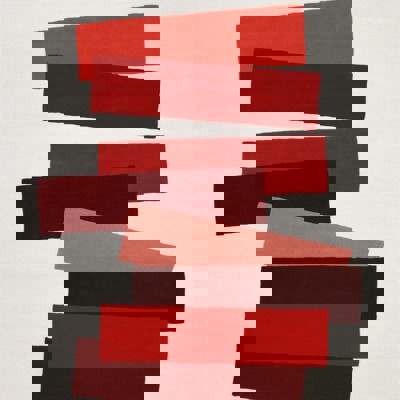
Josef Albers Rug The Many Faces of Red
Das Werk stammt aus „Interaction of Color” Serie und befindet sich auch auf dem Cover von Josef Albers wichtigem Lehrbuch über die Wirkung von Farben aus dem...
7-10 Werktage
1.100,00 € *
Christopher Farr
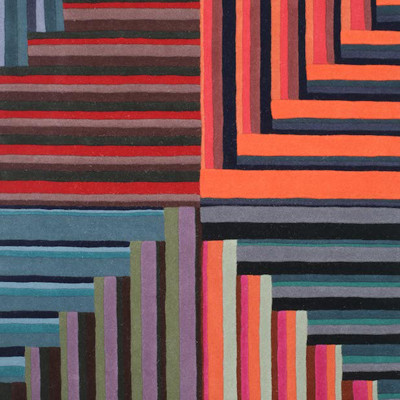
Aquila Teppich
Der Aquila-Teppich ist ein Zeugnis für die nahtlose Integration von Tradition und zeitgenössischem Design.
7-10 Werktage
1.500,00 € *
Christopher Farr
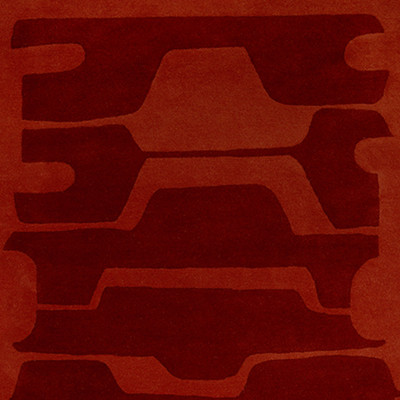
Benares Rust Teppich
Matthew Hilton erweitert seine künstlerische Expertise auf handgetuftete Teppiche, die Authentizität und Designexzellenz verkörpern.
7-10 Werktage
900,00 € *
Christopher Farr
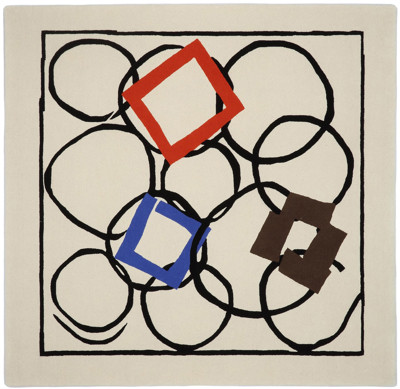
Squares in Orbit Teppich
Der "Squares in Orbit" Teppich vereint die künstlerische Inspiration von Sandra Blow und präsentiert abstrakte Farben und Formen in einem Wohnraum-Kunstwerk.
7-10 Werktage
1.500,00 € *
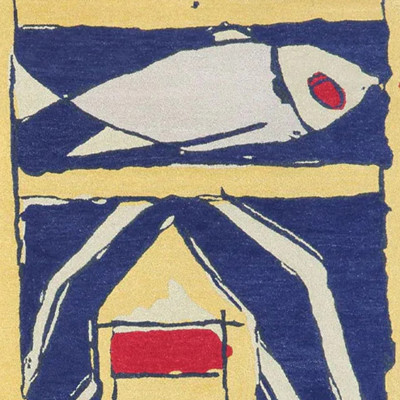
Christopher Farr
Omega Fish Teppich
Das ausgestellte Stück aus den Jahren 1913-15 verkörpert die kreative Genialität der Omega Workshops, die mit dem Omega-Symbol die künstlerische Kollektivitä...
7-10 Werktage
1.150,00 € *
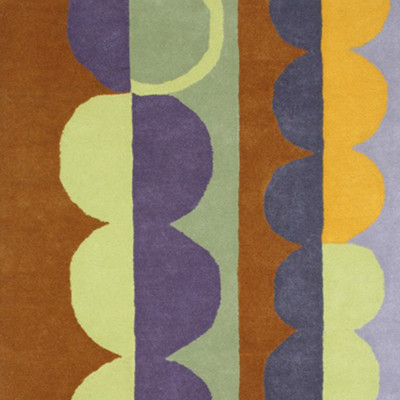
Christopher Farr
Untitled Teppich
Tauchen Sie ein in die künstlerische Magie von Jennifer Durrant – dieser exklusive Teppich fängt ihre meditative Farbexplosion ein.
7-10 Werktage
760,00 € *
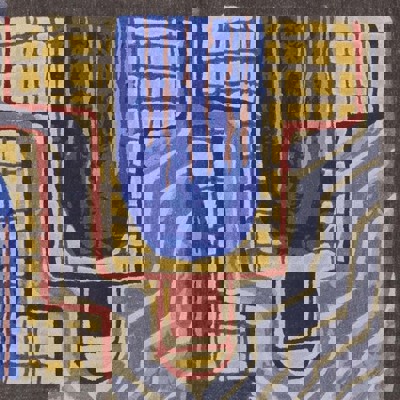
Christopher Farr
Reflections Omega Teppich
Erleben Sie künstlerische Innovation mit diesem exklusiven Omega Workshops Stück, zugeschrieben Duncan Grant oder Frederick Etchells aus den Jahren 1913-15.
7-10 Werktage
1.150,00 € *
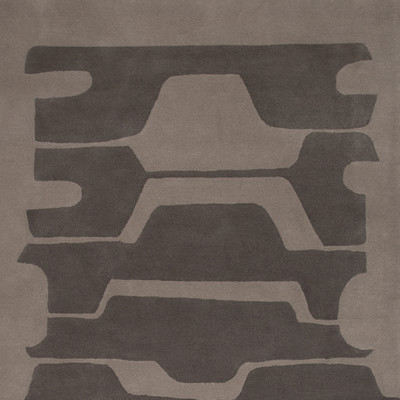
Christopher Farr
Benares Pewter Teppich
Erleben Sie zeitgenössische Eleganz mit Matthew Hilton – jedes Teppichstück verkörpert handwerkliche Meisterschaft und Originaltreue in limitierter Edition.
7-10 Werktage
900,00 € *
Christopher Farr
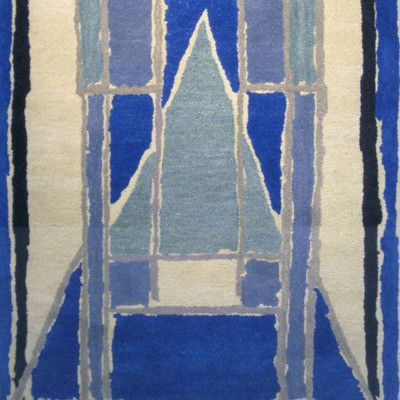
Omega Workshop Teppich
Erleben Sie die avantgardistische Kunst der Omega Workshops mit diesem exklusiven Stück, zugeschrieben Duncan Grant oder Frederick Etchells (1913-15) – eine...
7-10 Werktage
900,00 € *
Christopher Farr
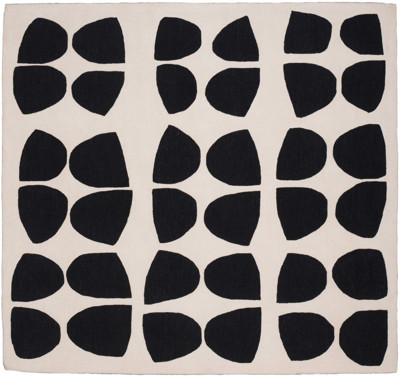
Variations Teppich
Tauchen Sie ein in die künstlerische Welt von Tory Terence Frost RA mit diesem exklusiven Teppich, der die innovative Kunstbewegung des Künstlers in England...
7-10 Werktage
1.270,00 € *
Christopher Farr
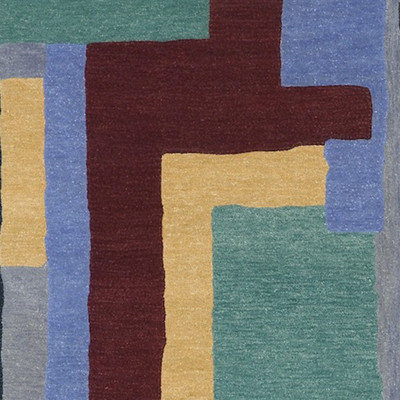
Omega Rectangles Teppich
Erleben Sie die Avantgarde der Omega Workshops in diesem Stück, repräsentativ für ihre kreative Vision.
7-10 Werktage
1.150,00 € *
Christopher Farr
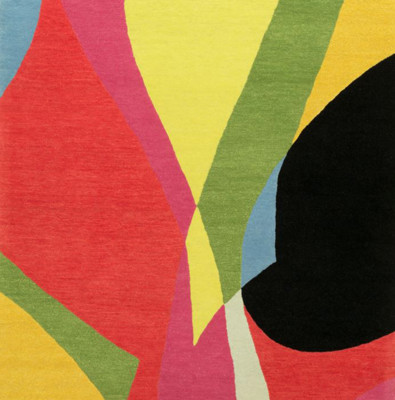
Bottle 1 Teppich
Erleben Sie das Designgenie von David Weeks, einem in Athens, Georgia, geborenen Künstler, der seit 1996 in seinem New Yorker Studio Leuchten, Möbel und Haus...
7-10 Werktage
1.270,00 € *
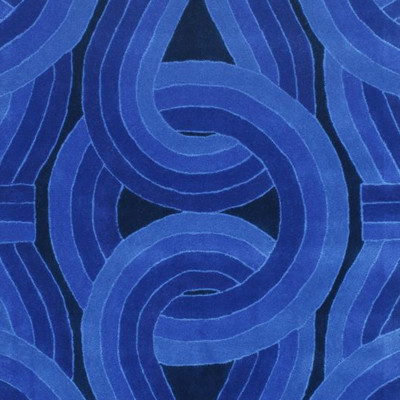
Christopher Farr
Solar Rectangle Blue Rug
Entdecken Sie Lara Bohincs zeitlosen Solar-Teppich, inspiriert von ihrem ikonischen Eclipse-Motiv und ihrer unverwechselbaren Schmuckkollektion – ein Designk...
AUSVERKAUFT
900,00 € *
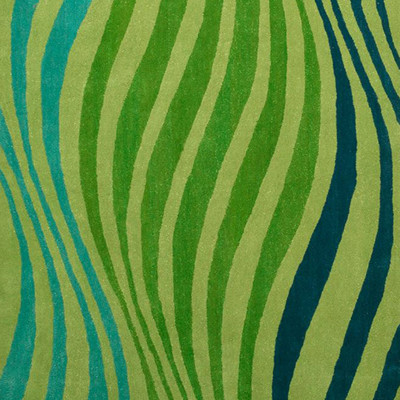
Christopher Farr
Sulpice Teppich
Der Teppich von Christopher Farr vereint meisterhaft moderne Ästhetik mit traditioneller Handwerkskunst und bewahrt die Originaltreue zu jedem Kunstwerk.
7-10 Werktage
840,00 € *
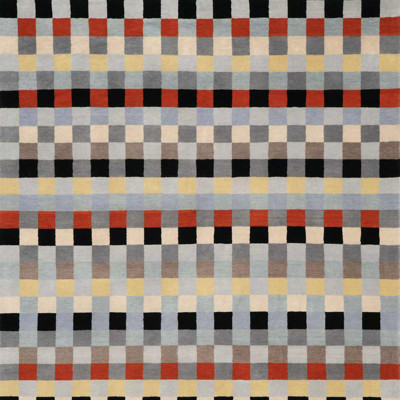
Christopher Farr
Small Child's Room Teppich
Entdecken Sie Anni Albers' Einfluss auf die Textilkunst des 20. Jahrhunderts durch ein einzigartiges Produkt, das ihre bahnbrechenden Beiträge würdigt.
7-10 Werktage
1.270,00 € *
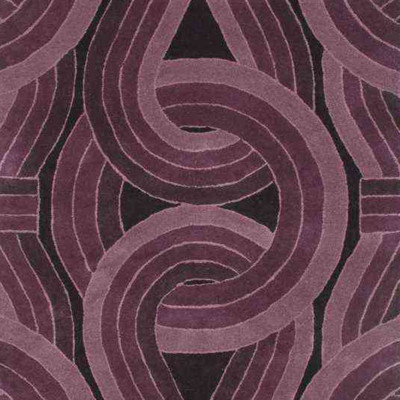
Christopher Farr
Solar Rectangle Purple Teppich
Erleben Sie die Designbrillanz von Lara Bohinc mit dem Solar Rug - einer exquisiten Mischung aus Kühnheit und Leichtigkeit, die die Essenz ihres ikonischen E...
AUSVERKAUFT
900,00 € *
Christopher Farr
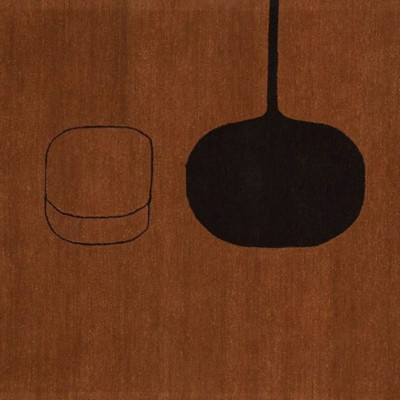
Permutation Brown Teppich
Verschönern Sie Ihren Raum mit unserem von William Scott inspirierten Teppich - ein limitierter Druck in Textilform.
7-10 Werktage
1.270,00 € *

Christopher Farr
Gunta Stölzl Runner 1922
Runner 1922 von Gunta Stölzl basiert auf einem originalen Bauhaus-Entwurf von 1922. Eine autorisierte Edition moderner Bauhaus-Webkunst.
7-10 Werktage
1.690,00 € *
Christopher Farr
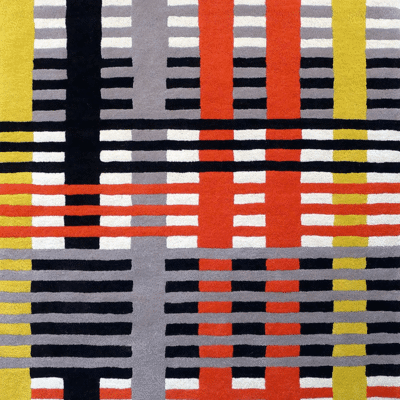
Anni Albers Bauhaus Teppich
Basierend auf einem Textilentwurf von Anni Albers aus den 1920er Jahren hat die englische Manufaktur Christopher Farr Editions dieses Motiv als Tepppich in z...
7-10 Werktage
ab 800,00 € *
Christopher Farr
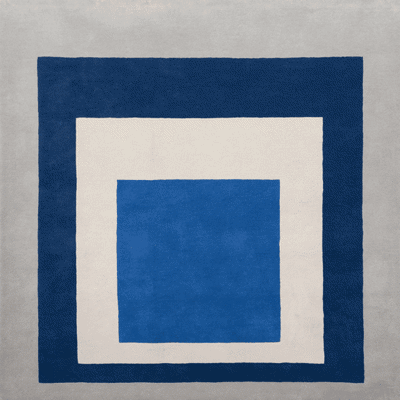
Josef Albers Bauhaus Teppich - Homage to the Square
Im Jahre 1950 begann der ehemalige Bauhaus-Meister Josef Albers im Alter von 62 Jahren mit seiner Serie Homage to the Square. Im Laufe der nächsten 26 Jahre...
4-6 Wochen
1.260,00 € *
Christopher Farr
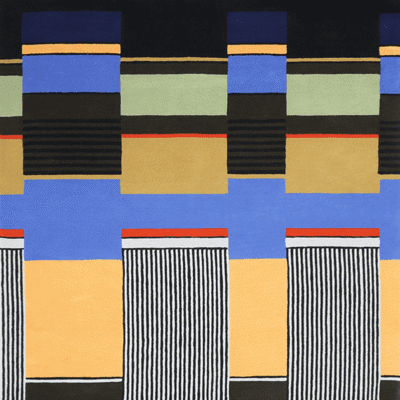
Gunta Stölzl Bauhaus Teppich
Im Rahmen des 100 Jahre Bauhaus-Jubiläums im Jahr 2019 legt die englische Manufaktur Christopher Farr mehrere handgetuftete Textilentwürfe der Bauhaus-Meiste...
7-10 Werktage
1.850,00 € *
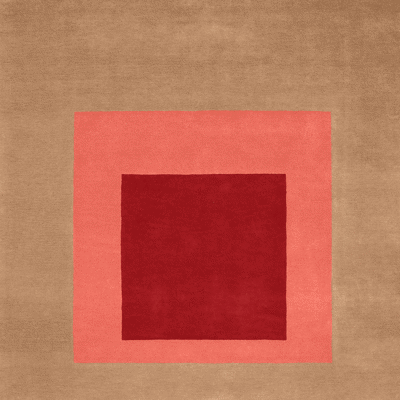
Christopher Farr
Josef Albers Bauhaus Teppich Braun & Rot
Die Serie Homage to the Square gilt als eine von Josef Albers bekanntesten und wichtigsten Arbeiten.
7-10 Werktage - Limitiert
1.100,00 € *
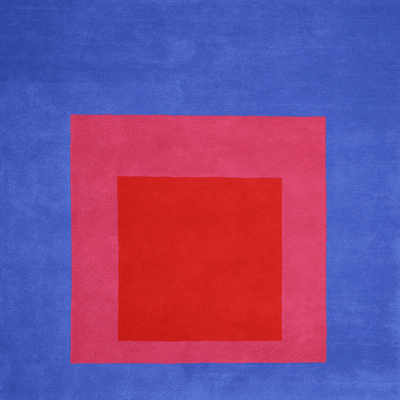
Christopher Farr
Josef Albers Bauhaus Teppich Blau & Rot
Die Serie Homage to the Square gilt als eine von Josef Albers bekanntesten und wichtigsten Arbeiten.
7-10 Werktage - Limitiert
1.100,00 € *
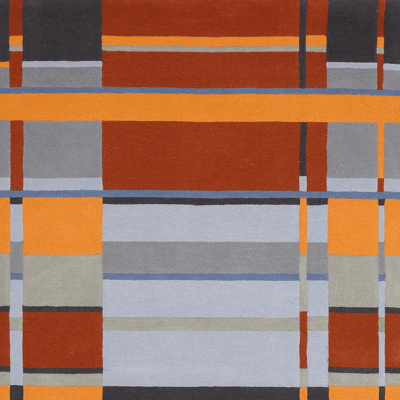
Christopher Farr
Gunta Stölzl Bauhaus Teppich Plate 184
Gunta Stölzl brachte die Moderne in die Handwebkunst und war später die erste Meisterin am Bauhaus.
7-10 Werktage
1.840,00 € *
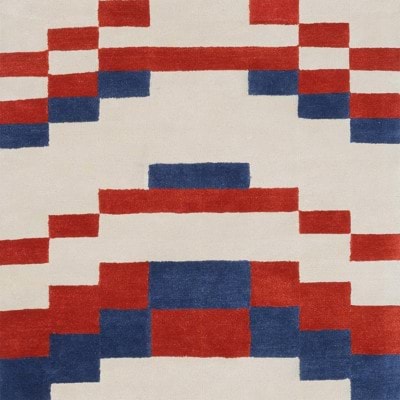
Christopher Farr
Anni Albers Bauhaus Teppich Temple Emanu-El
Basierend auf einem Textilentwurf von Anni Albers aus den 1920er Jahren hat die englische Manufaktur Christopher Farr Editions dieses Motiv als Tepppich in z...
7-10 Werktage
1.750,00 € *
Christopher Farr
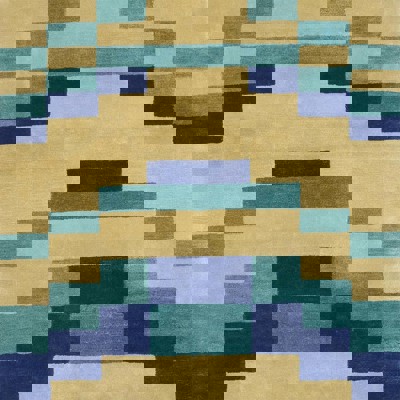
Anni Albers Bauhaus Teppich Temple Emanu-El 2
Basierend auf einem Textilentwurf von Anni Albers aus den 1920er Jahren hat die englische Manufaktur Christopher Farr Editions dieses Motiv als Tepppich in z...
7-10 Werktage
1.750,00 € *
Christopher Farr
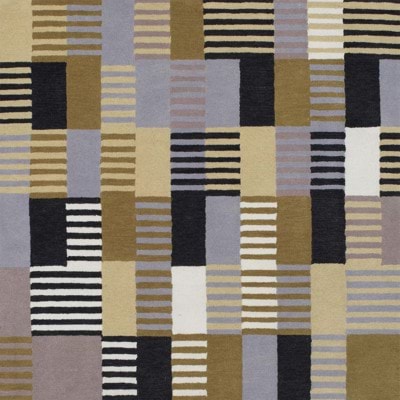
Anni Albers Entwurf für Wandbehang 1926
Basierend auf einem Textilentwurf von Anni Albers aus den 1920er Jahren hat die englische Manufaktur Christopher Farr Editions dieses Motiv als Tepppich in z...
7-10 Werktage
1.270,00 € *
Christopher Farr
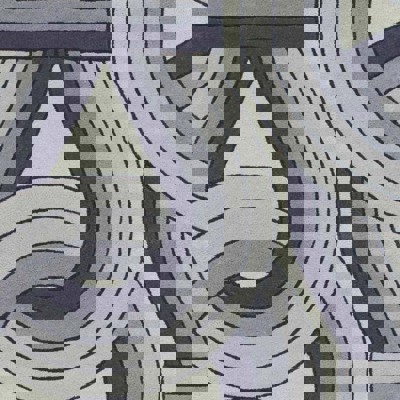
Lara Bohinc Teppich Solar Rectangle Grau
Der Solar Rug feiert das klassische Eclipse-Motiv von Lara Bohinc, das sich von der charakteristischen Schmuckkollektion inspirieren lässt.
AUSVERKAUFT
520,00 € *
Christopher Farr
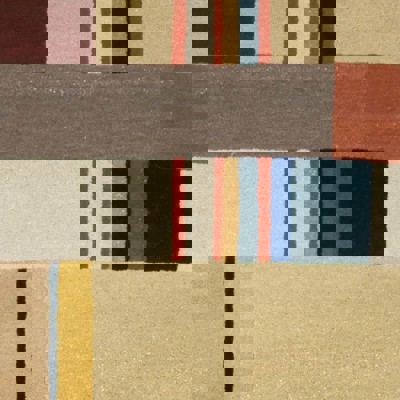
Gunta Stölzl Teppich Plate 120
Als einzige Meisterin des Bauhauses ist die Textilkünstlerin Gunta Stölzl wohl die einflussreichste Figur in der modernen Geschichte der westlichen Webkunst.
7-10 Werktage
1.100,00 € *
Christopher Farr
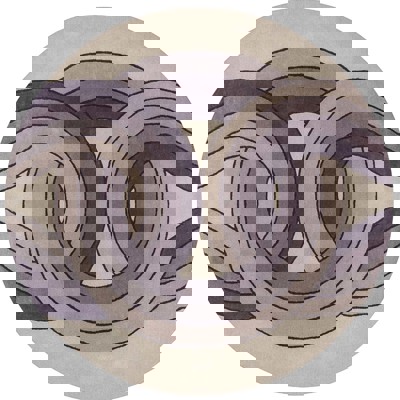
Lara Bohinc Teppich Solar
Der Solar Rug feiert das klassische Eclipse-Motiv von Lara Bohinc, das sich von der charakteristischen Schmuckkollektion inspirieren lässt.
AUSVERKAUFT
760,00 € *