


Limited Edition
Search results: 1-64 من 64
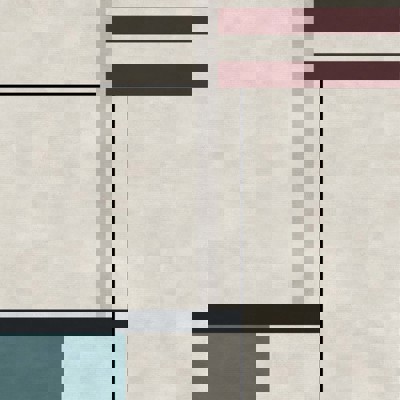
Limited Edition
Bauhaus Rug Lines 92
تتقاطع الأشكال والخطوط الهندسية على السجادة وتتفاعل وتكرر بدقة ودقة.
7-10 أيام
من 1.000,00 € *
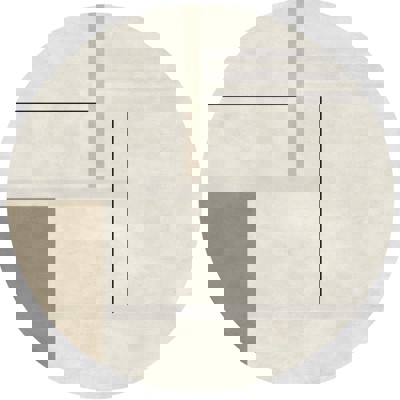
Limited Edition
Bauhaus Rug Lines 35
تتقاطع الأشكال والخطوط الهندسية على السجادة وتتفاعل وتكرر بدقة ودقة.
7-10 أيام
من 1.000,00 € *
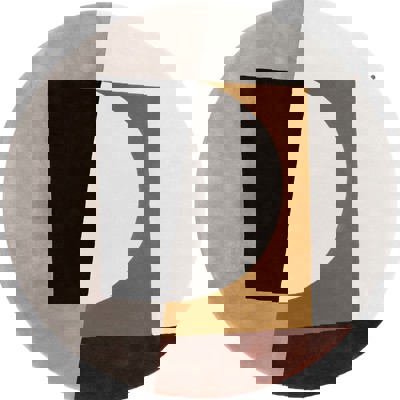
Limited Edition
بساط باوهاوس منحنيات صوف حرير 64
تتقاطع الأشكال والخطوط الهندسية على السجادة وتتفاعل وتكرر بدقة ودقة.
7-10 أيام
من 1.000,00 € *
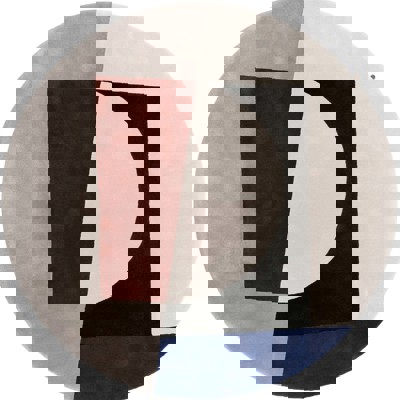
Limited Edition
منحنيات باوهاوس للسجاد 2
تتقاطع الأشكال والخطوط الهندسية على السجادة وتتفاعل وتكرر بدقة ودقة.
7-10 أيام
من 1.000,00 € *
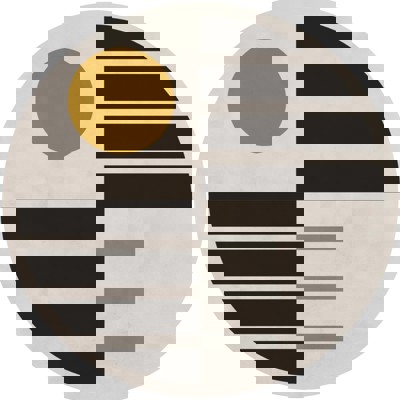
Limited Edition
Bauhaus Rug Forms 47
تتقاطع الأشكال والخطوط الهندسية على السجادة وتتفاعل وتكرر بدقة ودقة.
7-10 أيام
من 1.000,00 € *
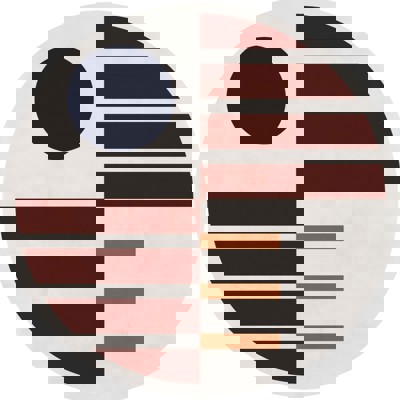
Limited Edition
Bauhaus Rug Forms 50
تتقاطع الأشكال والخطوط الهندسية على السجادة وتتفاعل وتكرر بدقة ودقة.
7-10 أيام
من 1.000,00 € *
Limited Edition
52- نجار
تتقاطع الأشكال والخطوط الهندسية على السجادة وتتفاعل وتكرر بدقة ودقة.
7-10 أيام
من 1.000,00 € *
Limited Edition
26- البساط
تتقاطع الأشكال والخطوط الهندسية على السجادة وتتفاعل وتكرر بدقة ودقة.
7-10 أيام
من 1.000,00 € *
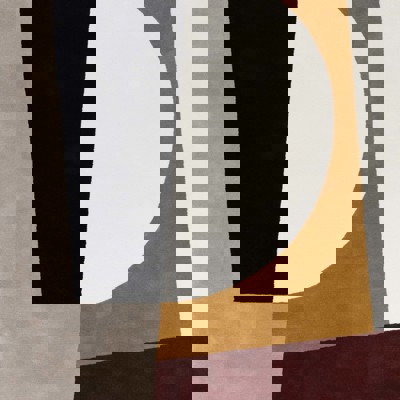
Limited Edition
بساط باوهاوس منحنيات صوف حرير 64
تتقاطع الأشكال والخطوط الهندسية على السجادة وتتفاعل وتكرر بدقة ودقة.
7-10 أيام
من 1.000,00 € *
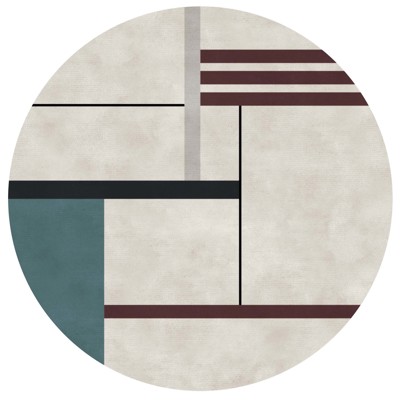
Limited Edition
Bauhaus Rug Lines 92
تتقاطع الأشكال والخطوط الهندسية على السجادة وتتفاعل وتكرر بدقة ودقة.
7-10 أيام
من 1.000,00 € *
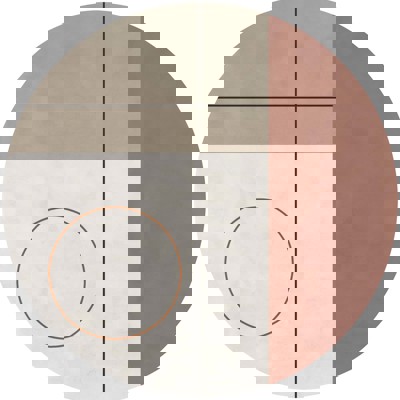
Limited Edition
26- البساط
تتقاطع الأشكال والخطوط الهندسية على السجادة وتتفاعل وتكرر بدقة ودقة.
7-10 أيام
من 1.000,00 € *
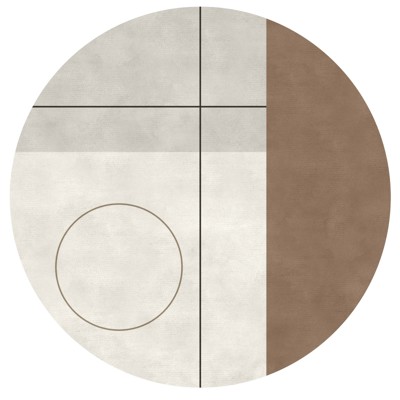
Limited Edition
52- نجار
تتقاطع الأشكال والخطوط الهندسية على السجادة وتتفاعل وتكرر بدقة ودقة.
7-10 أيام
من 1.000,00 € *
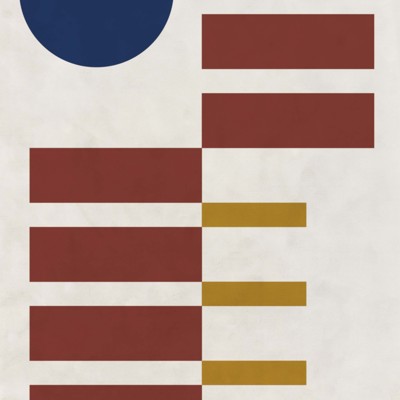
Limited Edition
Bauhaus Rug Forms 50
تتقاطع الأشكال والخطوط الهندسية على السجادة وتتفاعل وتكرر بدقة ودقة.
7-10 أيام
من 1.000,00 € *
Limited Edition
Bauhaus Rug Forms 50
تتقاطع الأشكال والخطوط الهندسية على السجادة وتتفاعل وتكرر بدقة ودقة.
7-10 أيام
من 1.000,00 € *
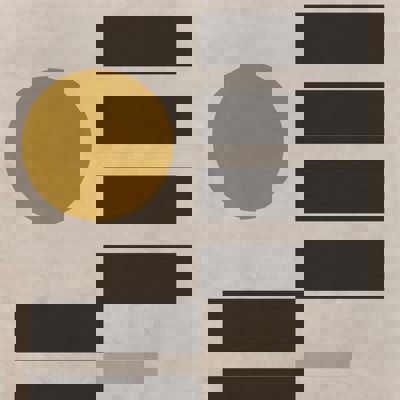
Limited Edition
Bauhaus Rug Forms 47
تتقاطع الأشكال والخطوط الهندسية على السجادة وتتفاعل وتكرر بدقة ودقة.
7-10 أيام
من 1.000,00 € *
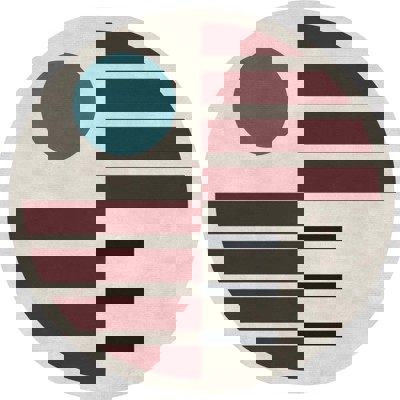
Limited Edition
Bauhaus Rug Forms 63
تتقاطع الأشكال والخطوط الهندسية على السجادة وتتفاعل وتكرر بدقة ودقة.
نفدت الكمية
من 1.000,00 € *
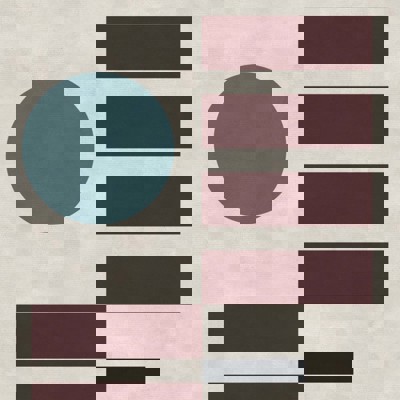
Limited Edition
Bauhaus Rug Forms 63
تتقاطع الأشكال والخطوط الهندسية على السجادة وتتفاعل وتكرر بدقة ودقة.
نفدت الكمية
من 1.000,00 € *
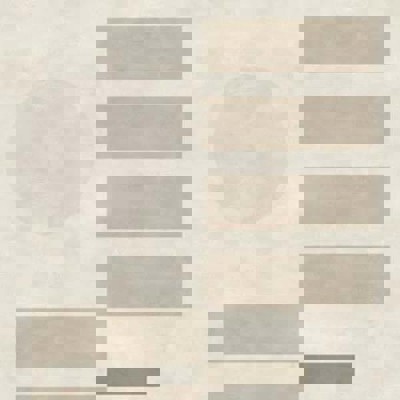
Limited Edition
Bauhaus Rug Forms 18
تتقاطع الأشكال والخطوط الهندسية على السجادة وتتفاعل وتكرر بدقة ودقة.
7-10 أيام
من 1.000,00 € *
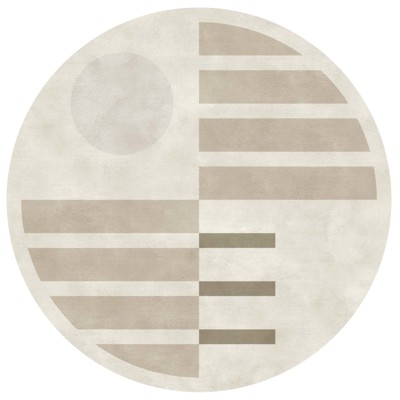
Limited Edition
Bauhaus Rug Forms 18
تتقاطع الأشكال والخطوط الهندسية على السجادة وتتفاعل وتكرر بدقة ودقة.
7-10 أيام
من 1.000,00 € *
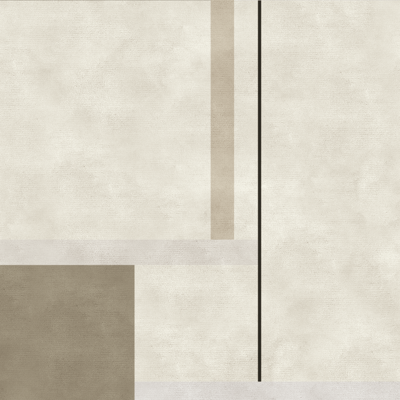
Limited Edition
Bauhaus Rug Lines 35
تتقاطع الأشكال والخطوط الهندسية على السجادة وتتفاعل وتكرر بدقة ودقة.
7-10 أيام
من 1.000,00 € *
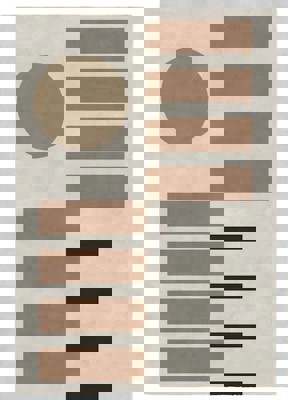
Limited Edition
Bauhaus Rug Forms 86
تتقاطع الأشكال والخطوط الهندسية على السجادة وتتفاعل وتكرر بدقة ودقة.
7-10 أيام
من 1.000,00 € *
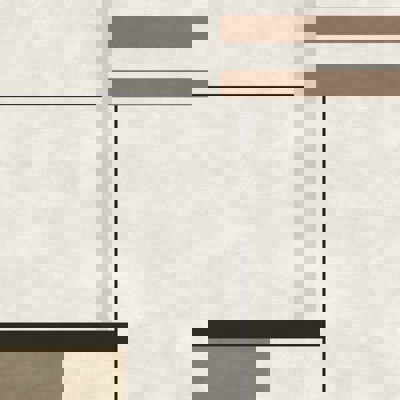
Limited Edition
Bauhaus Rug Lines 27
تتقاطع الأشكال والخطوط الهندسية على السجادة وتتفاعل وتكرر بدقة ودقة.
7-10 أيام
من 1.000,00 € *
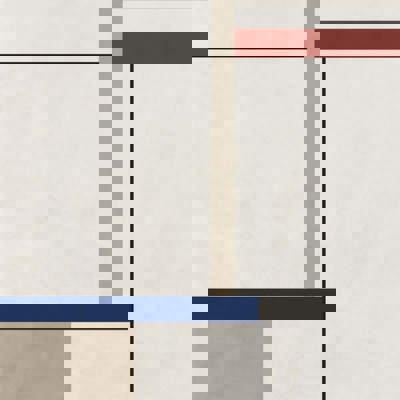
Limited Edition
Bauhaus Rug Lines 89
تتقاطع الأشكال والخطوط الهندسية على السجادة وتتفاعل وتكرر بدقة ودقة.
7-10 أيام
من 1.000,00 € *
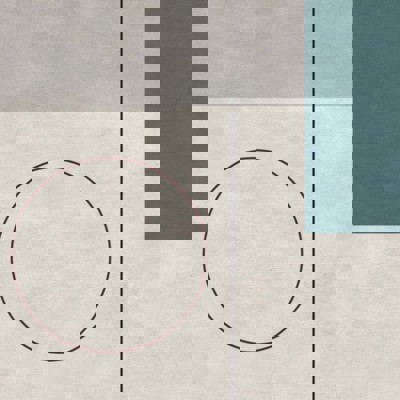
Limited Edition
97- البساط
تتقاطع الأشكال والخطوط الهندسية على السجادة وتتفاعل وتكرر بدقة ودقة.
7-10 أيام
من 1.000,00 € *
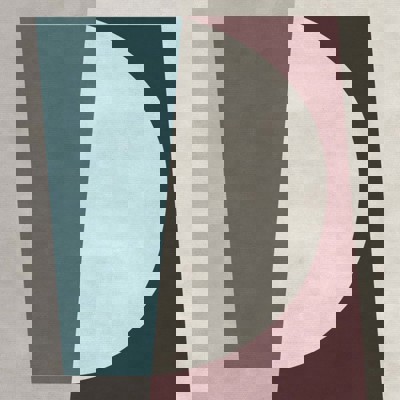
Limited Edition
بساط باوهاوس منحنيات صوف حرير 55
تتقاطع الأشكال والخطوط الهندسية على السجادة وتتفاعل وتكرر بدقة ودقة.
7-10 أيام
من 1.000,00 € *
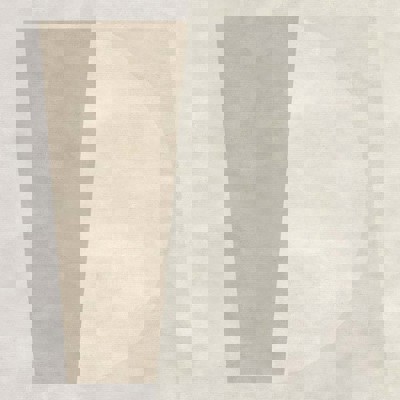
Limited Edition
بساط باوهاوس منحنيات صوف حرير 13
تتقاطع الأشكال والخطوط الهندسية على السجادة وتتفاعل وتكرر بدقة ودقة.
7-10 أيام
من 1.000,00 € *
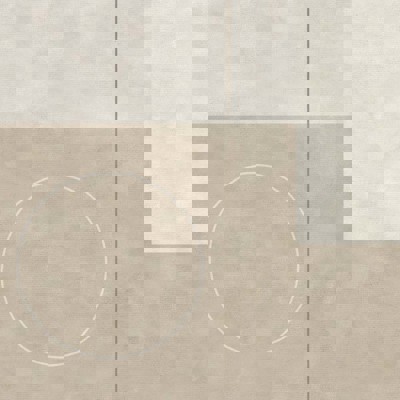
Limited Edition
78- البساط
تتقاطع الأشكال والخطوط الهندسية على السجادة وتتفاعل وتكرر بدقة ودقة.
7-10 أيام
من 1.000,00 € *
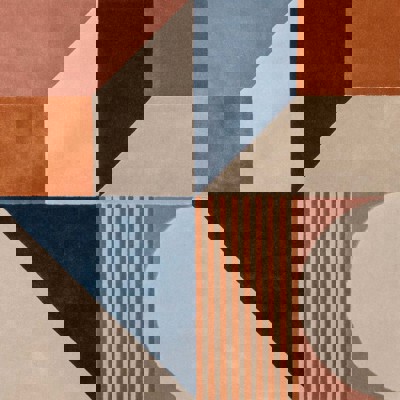
Limited Edition
سجادة ريترو شيك
هذه السجادة الفريدة ليست مجرد غطاء للأرضية، بل هي عمل فني يضيف لمسة من الأناقة الخالدة إلى غرفتك.
7-10 أيام
من 4.000,00 € *
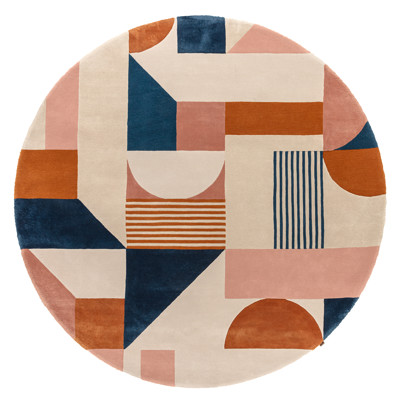
Limited Edition
سجادة شيك ريترو
اكتشف السحر الحصري للريترو شيك في شكل دائري
7-10 أيام
من 3.300,00 € *
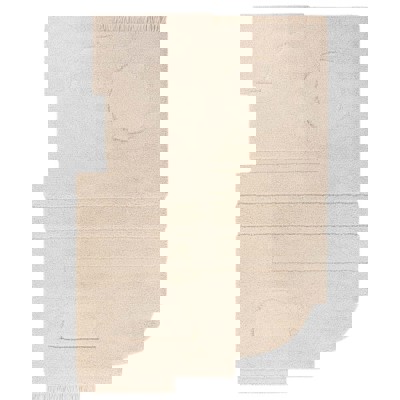
Limited Edition
سجادة مجردة
اغمر منزلك بأجواء من الرقي العصري مع سجادة الصوف التجريدية الفاخرة.
7-10 أيام
من 3.350,00 € *
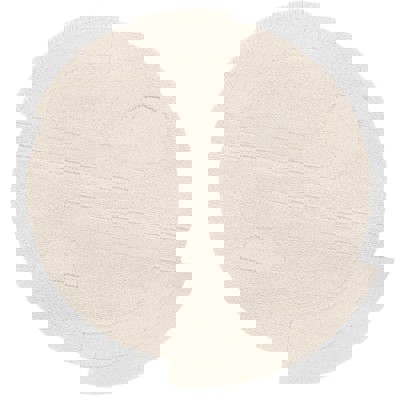
Limited Edition
سجادة تجريدية
اغمر منزلك بأجواء من الرقي العصري مع سجادة الصوف المجردة الفاخرة.
7-10 أيام
من 3.300,00 € *
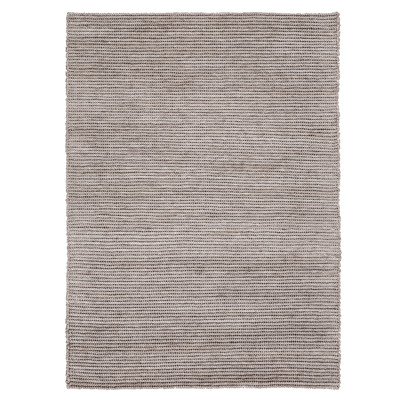
Limited Edition
سجادة أباكا
زيّن منزلك بسجادة أباسا، تحفة من الأناقة الطبيعية والجمال الخالد.
7-10 أيام
من 2.800,00 € *
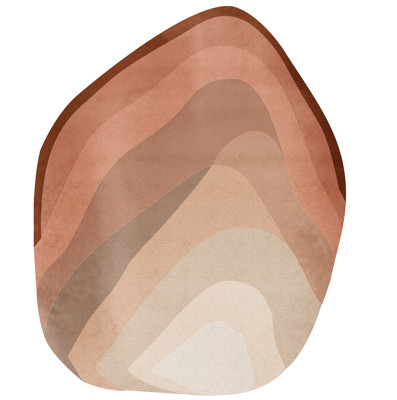
Limited Edition
سجادة أجات منخفضة
تجمع سجادة Agate Low بين التصميم الراقي والخامات عالية الجودة لتمنح غرفتك أجواءً فاخرة وعصرية.
7-10 أيام
من 1.800,00 € *
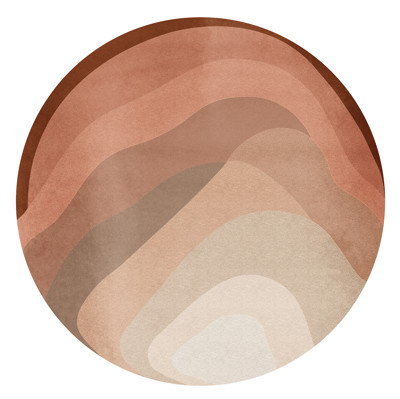
Limited Edition
سجادة عقيق منخفضة
سجادة أغات لو تجمع بين التصميم الراقي والمواد عالية الجودة لتمنح غرفتك أجواءً فاخرة وعصرية.
7-10 أيام
من 1.500,00 € *
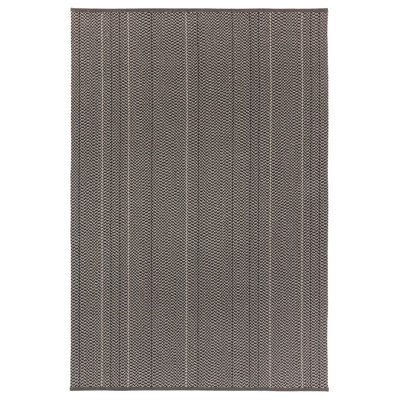
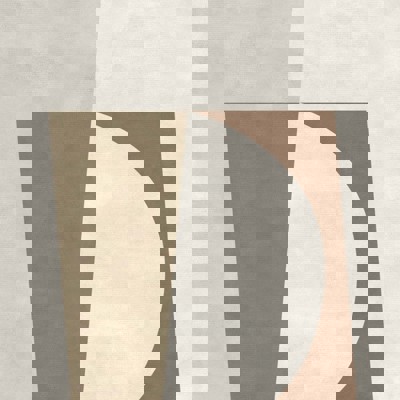
Limited Edition
منحنيات سجادة باوهاوس 48
تتقاطع الأشكال والخطوط الهندسية على السجادة وتتفاعل وتكرر بدقة ودقة.
7-10 أيام
من 1.000,00 € *
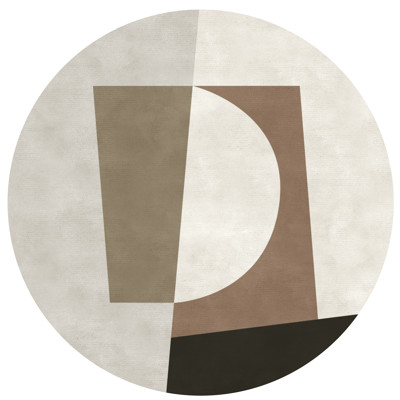
Limited Edition
منحنيات سجادة باوهاوس 48
تتقاطع الأشكال والخطوط الهندسية على السجادة وتتفاعل وتكرر بدقة ودقة.
7-10 أيام
من 1.000,00 € *
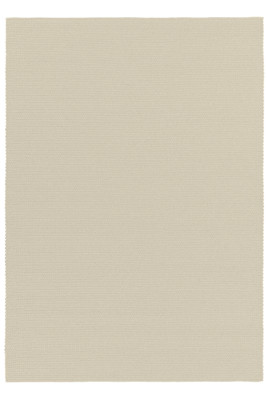
Limited Edition
سجادة بيلوجا
The Beluga Rug is crafted from durable polypropylene with precise braiding, offering lasting strength and a clear look—perfect for both indoor and outdoor use.
7-10 أيام
من 2.590,00 € *
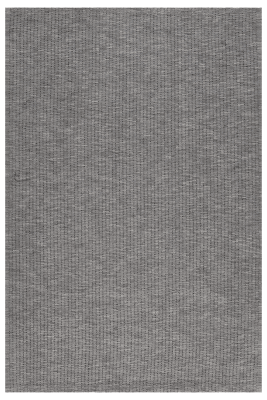
Limited Edition
بساط من الطوب
سجادة من الطوب مصنوعة من الجلد المعاد تدويره – تصميم واضح، مواد فاخرة وحرفية عالية للمساحات الداخلية الأنيقة والخالدة.
7-10 أيام
من 2.200,00 € *
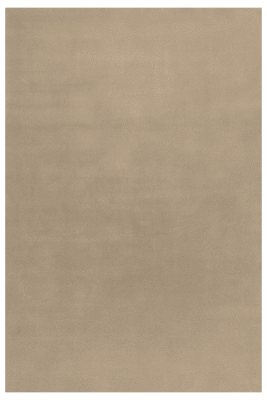
Limited Edition
سجادة كاليستو
سجادة كاليستو من ليميتيد إديشن - صوف فاخر بتدرجات لونية ناعمة أو جريئة، مصنوعة يدويًا في بلجيكا لتناسب الديكورات الداخلية الأنيقة والراقية.
7-10 أيام
من 1.000,00 € *
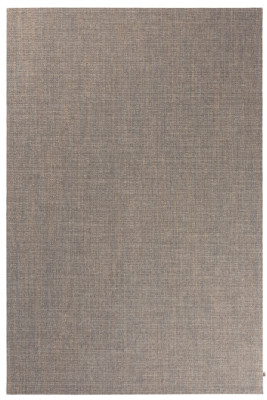
Limited Edition
سجادة أنيقة
سجادة شيك من إصدار محدود – منسوجة بشكل مسطح في بلجيكا بنسيج تويد مكرر. خالدة، أنيقة، ومصنوعة من مزيج عالي الجودة من الكتان.
7-10 أيام
من 1.000,00 € *
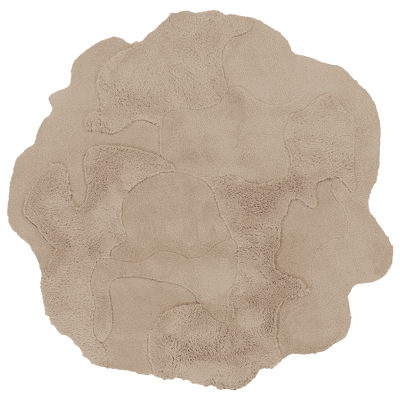
Limited Edition
سجادة شرنقة كونية
سجادة كوزميك كوكوون من لديميتد إديشن – فاخرة منحوتة ومصنوعة يدوياً، تتميز بنسيج غني وشكل جريء. قطعة مميزة للمساحات الداخلية المتميزة.
7-10 أيام
من 1.000,00 € *
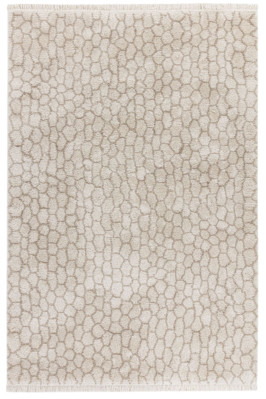
Limited Edition
سجادة منغوليا الكونية
سجادة كوزميك منغوليا – مصنوعة يدوياً في بلجيكا. مواد طبيعية، قوام غني، تصميم خالد. بيان متقن للديكورات الداخلية العصرية.
7-10 أيام
2.900,00 € *
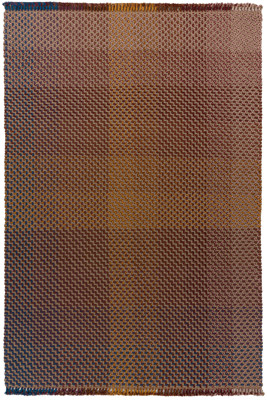
Limited Edition
سجادة داكار
سجادة داكار تمزج بين نسيج ريفي وأناقة حضرية - متينة، أنيقة، ومثالية للمساحات الداخلية المعاصرة.
7-10 أيام
من 1.000,00 € *
Limited Edition
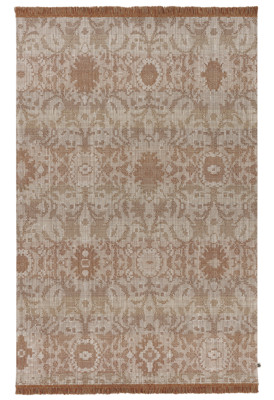
سجادة إكسير
سجادة إليكسير – منسوجة بشكل مسطح في بلجيكا من مادة بولي أوليفين المتينة. تصميم بسيط، للاستخدام الداخلي والخارجي، وسهولة العناية لأسلوب حياة عصري يومي.
7-10 أيام
من 1.000,00 € *
Limited Edition
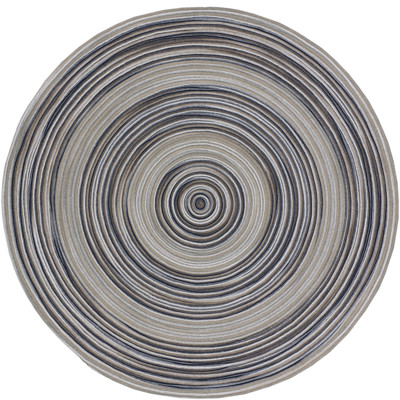
سجادة ليفانتي
سجادة ليفانتي - أناقة خالدة مع نسيج متقن. نسجت في بلجيكا، مصممة للمساحات الداخلية الحديثة بالتوازن والوضوح والحضور الهادئ.
7-10 أيام
من 1.000,00 € *
Limited Edition
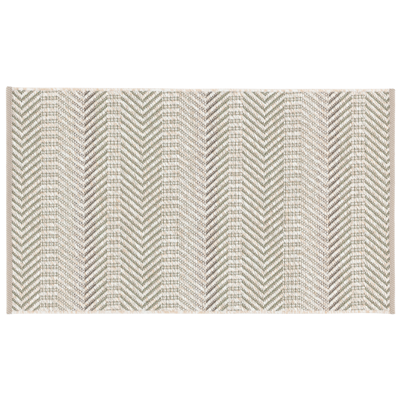
بحيرة السجاد
سجادة ليكسايد - أنيقة ومتينة. تضيف نسيجًا سهلاً إلى منزلك، سواء في الداخل أو الخارج. راحة سهلة العناية بمظهر عصري.
7-10 أيام
من 1.000,00 € *
Limited Edition
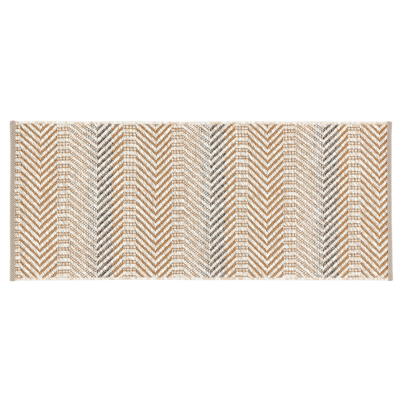
سجادة بحيرة نانو
سجادة نانو ليكسايد – مدمجة، متينة وجاهزة للاستخدام. مثالية للمطابخ، الممرات أو الأماكن الخارجية. سهلة التنظيف، عصرية وأنيقة.
7-10 أيام
من 100,00 € *
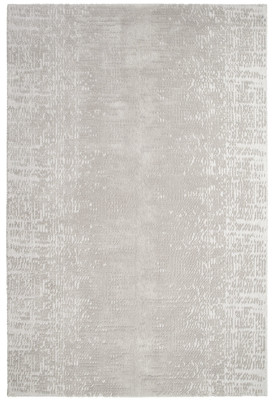
Limited Edition
مايسترو ماتريكس سجادة
سجادة ماسترو ماتريكس - حيث تلتقي الهندسة الأنيقة بفخامة الحرير والصوف. ملمس رفيع وعمق لتضفي لمسات أنيقة ومعبرة على المساحات المعيشية.
7-10 أيام
من 1.000,00 € *
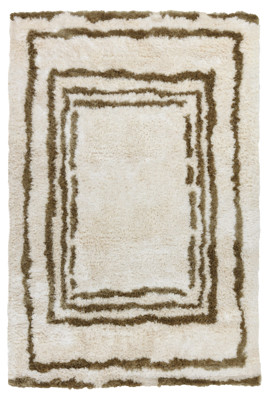
Limited Edition
سجادة فاخرة
سجادة ماجيستيك - حيث يلتقي الهدوء الفاخر بعمق الملمس. نسيج يشبه الحرير، وألوان خالدة، وأناقة مصممة خصيصاً لتجديد الأماكن الداخلية الراقية.
نفدت الكمية
من 1.000,00 € *
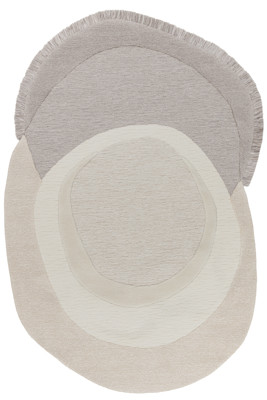
Limited Edition
زومبا أوكتافو
زومبا أوكتافو رغوة – صوف منحوت بشكل عضوي. تصميم جريء ولمسي بنسيج غني وخطوط متدفقة لأجواء داخلية حديثة تعبيرية.
7-10 أيام
من 1.000,00 € *
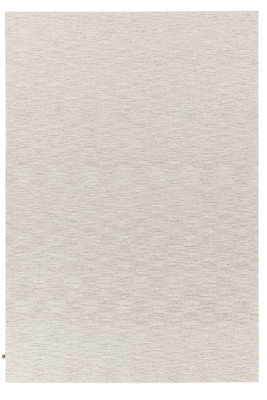
Limited Edition
سجادة التندرا
سجادة التندرا – يلتقي بها نسيج الصوف الغني مع الهدوء الطبيعي. سطح منحوت وزمني يضفي على الديكورات الداخلية أناقة طبيعية.
7-10 أيام
من 1.000,00 € *
Limited Edition
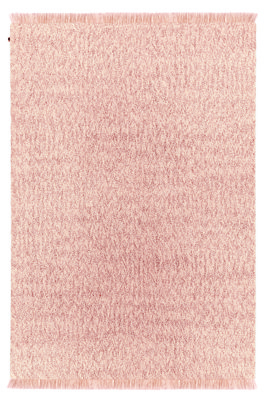
زومبا هايلاند رغ
زومبا هايلاند روج – ملمس صوفي جريء مع عمق منحوّت وشكل عضوي. قطعة بارزة للمساحات الداخلية الحديثة مع تدفق طبيعي.
7-10 أيام
من 1.000,00 € *
Limited Edition
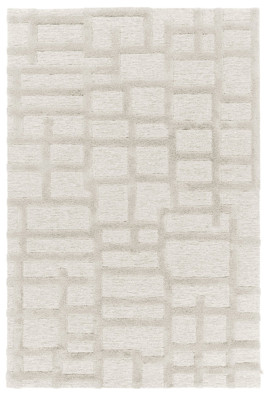
سجادة زومبا جرادو
سجادة زومبا جرادو – نسيج صوف محكم بخطوط متدفقة وعمق هادئ. بيان حديث للديكورات الداخلية التي تشكلها النعومة الطبيعية.
7-10 أيام
من 1.000,00 € *
Limited Edition
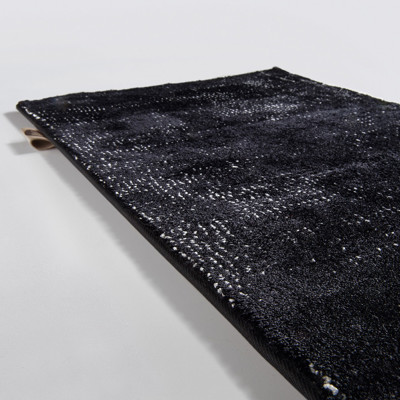
سجادة عصرية
سجادة عصرية من إصدار محدود - منسوجة في بلجيكا من 100٪ فيسكوز. تصميم بسيط بتألق خفيف وأناقة خالدة.
7-10 أيام
من 1.000,00 € *
Limited Edition
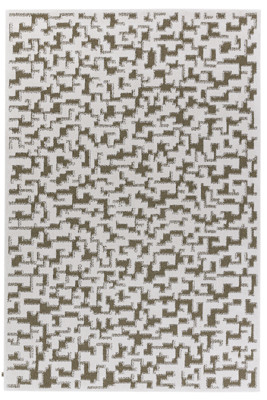
سجادة تونك نوماد
سجادة تونيك نوماد – مصنوعة يدويًا في بلجيكا من الصوف والحرير، مستوحاة من الأنماط البدوية والأناقة الخالدة.
7-10 أيام
من 1.000,00 € *
Limited Edition
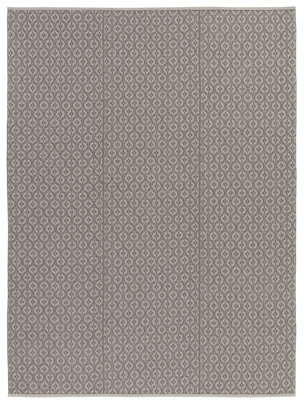
سجادة تيرازا
سجادة تيرازا – بيان أنيق داخليًا وخارجيًا. مُصنّعة يدويًا في بلجيكا، مقاومة للظروف الجوية، سهلة العناية ومصممة خصيصًا لمكانك الفريد.
7-10 أيام
من 1.000,00 € *
Limited Edition
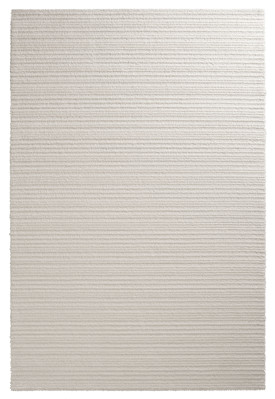
سجادة سوبرفينو
سجادة سوبرفينو بلون تيرتلدوف – أناقة الصوف الخالص، صناعة بلجيكية وتفصيل حسب المقاس بلون محايد ناعم ومعاصر.
7-10 أيام
من 1.000,00 € *
Limited Edition
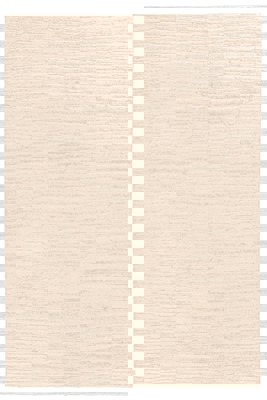
سجادة ساموا لاسا
سجادة ساموا لاسا – مصنوعة يدوياً في بلجيكا من صوف نيوزيلندي 100٪. كومة فاخرة، دفء طبيعي، وأناقة خالدة.
7-10 أيام
من 1.000,00 € *
Limited Edition
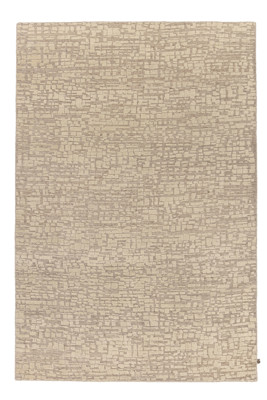
سجادة ساموا المنقطة
سجادة ساموا بولكا، المصنوعة يدويًا في بلجيكا، تمزج بين ملمس الصوف الناعم وتصميم النقاط المرح – أناقة مفصلة للديكورات الداخلية العصرية.
7-10 أيام
من 1.000,00 € *
Limited Edition
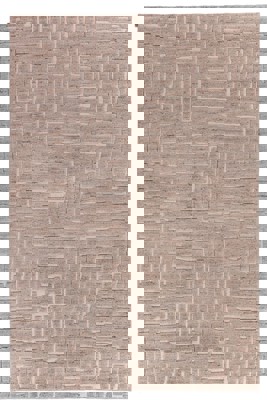
سجادة متاهة ساموا
مصنوعة يدوياً في بلجيكا، تجمع سجادة "Samoa Maze" بين راحة الصوف الناعم والنمط الهندسي الجريء – لتكون بياناً راقياً للمساحات الداخلية العصرية.
7-10 أيام
من 1.000,00 € *
Limited Edition
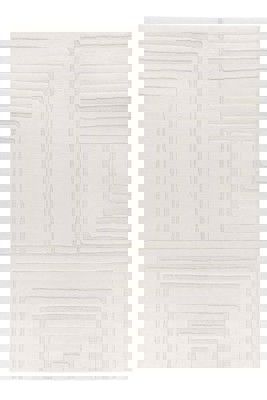
سجادة ساموا جيو
منسوج يدويًا في بلجيكا، يجمع بساط "ساموا جيو" بين نعومة الصوف الخالص وتصميم هندسي جريء – فخامة مكرسة للمساحات العصرية.
7-10 أيام
من 1.000,00 € *
Limited Edition
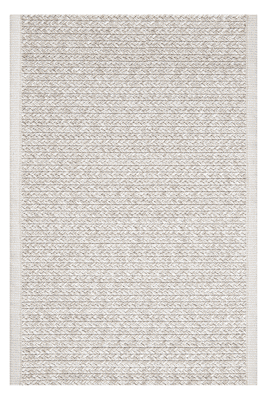
سجادة نانو بجانب المسبح
سجادة نانو بجانب المسبح – منسوجة في بلجيكا من الفينيل المعاد تدويره و الألياف الزجاجية. مقاومة للأشعة فوق البنفسجية، متينة، ومثالية للمساحات الداخلية والخارجية.
7-10 أيام
من 100,00 € *
Limited Edition
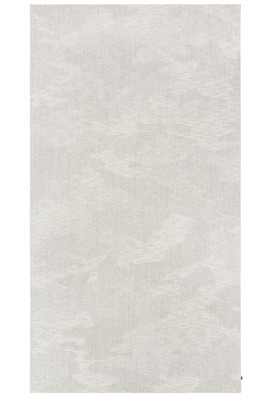
سجادة فيجي
سجادة فيجي - منسوجة بشكل مسطح في بلجيكا من البولي أوليفين المتين. جاهزة للاستخدام في الأماكن الداخلية والخارجية مع نسيج مريح وسحر مستوحى من الجزر الحديثة.
7-10 أيام
من 1.000,00 € *