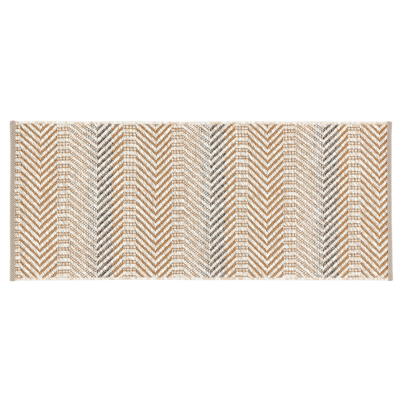
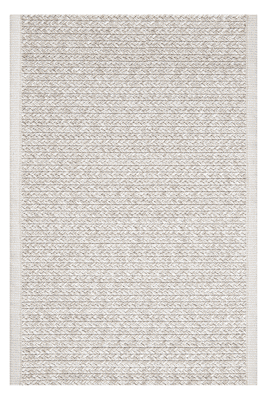
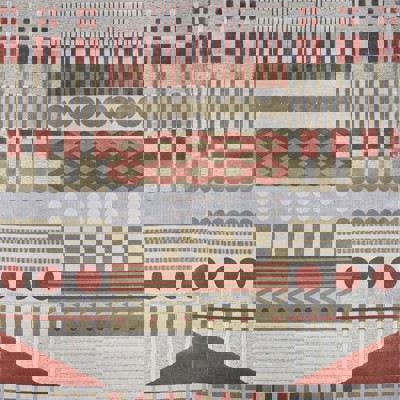
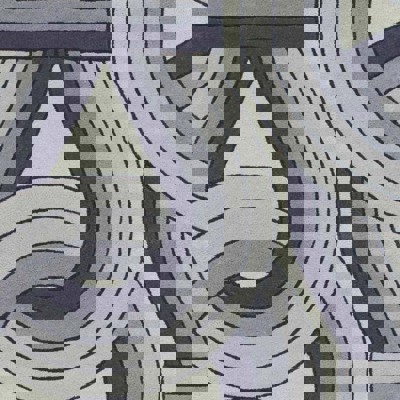
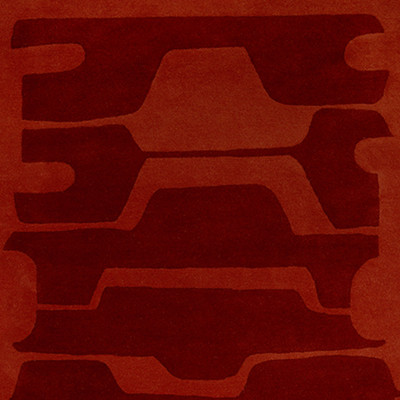
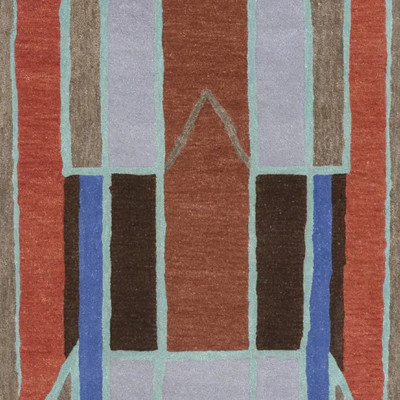
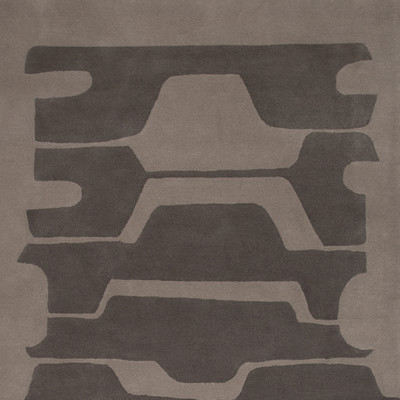
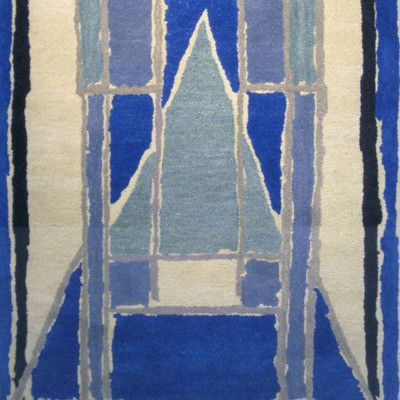
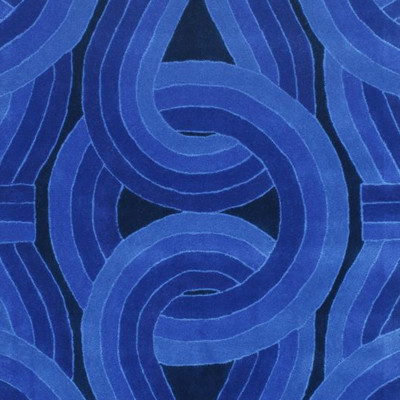
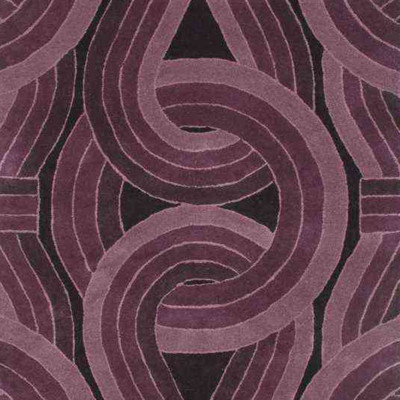
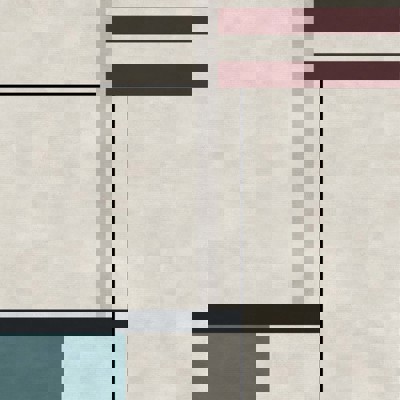
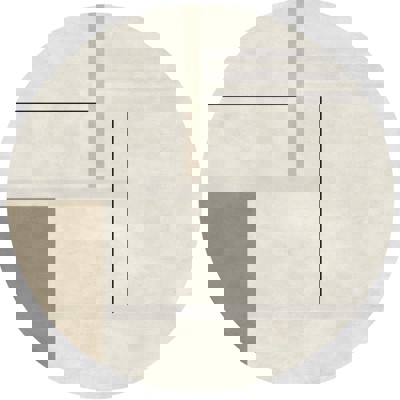
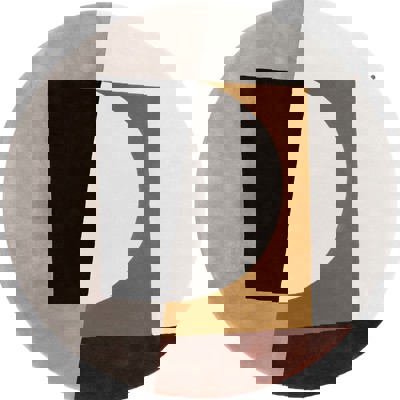
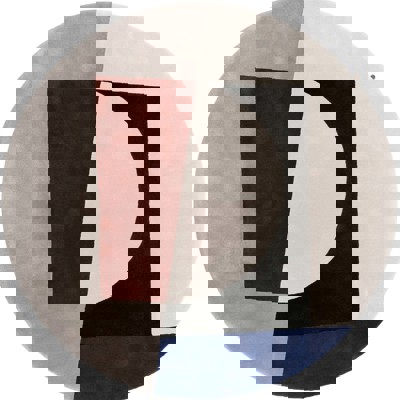
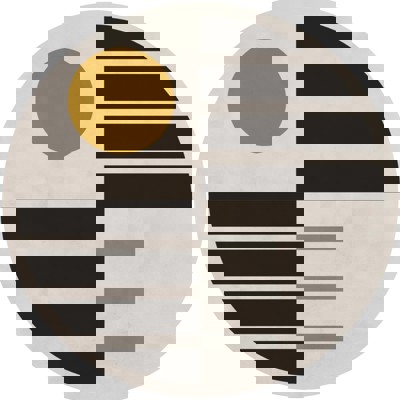
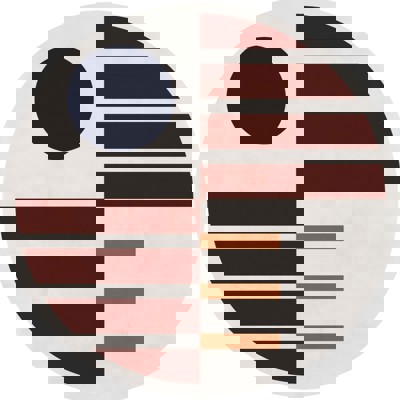
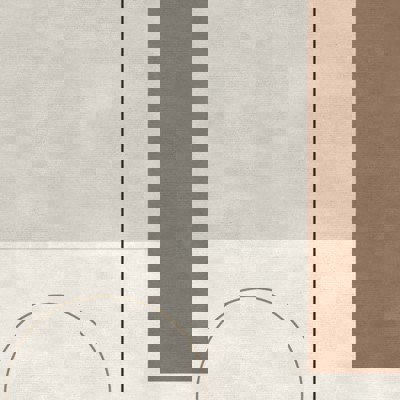
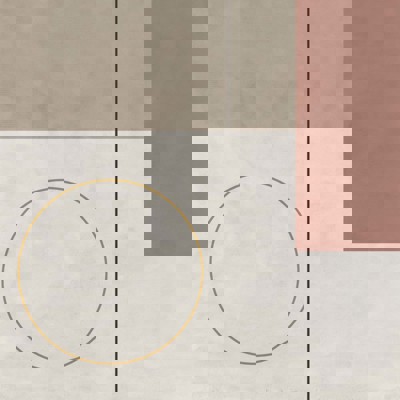
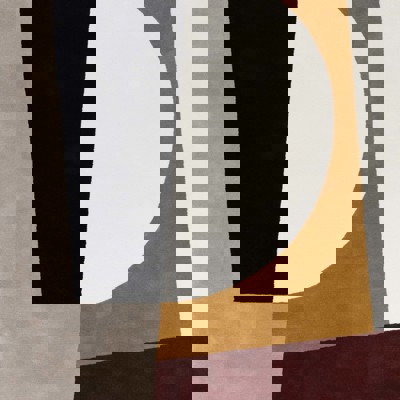
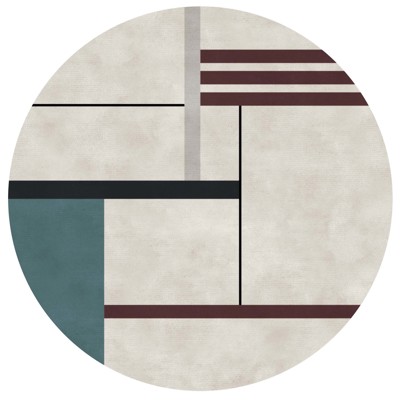
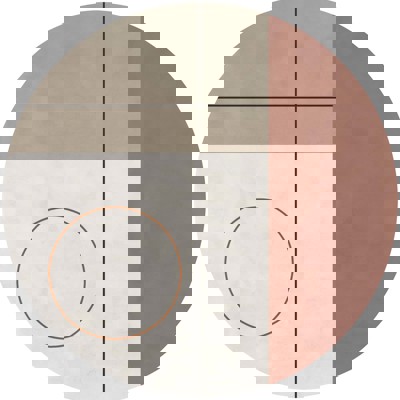
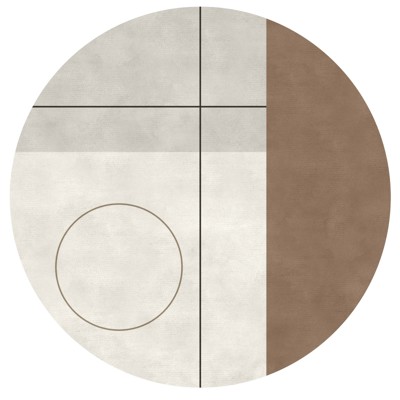
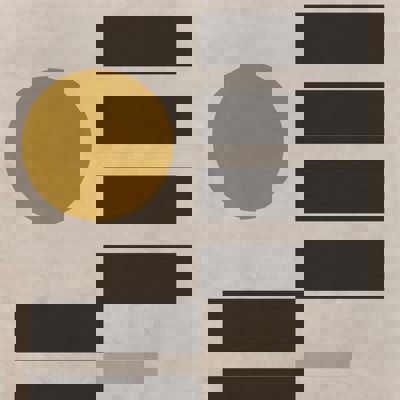
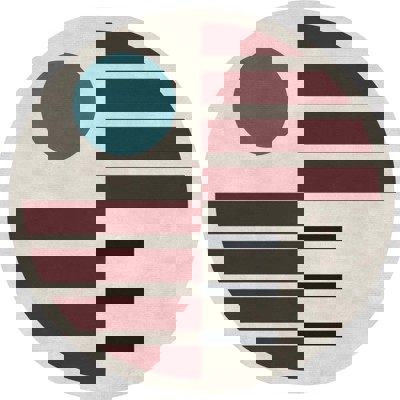
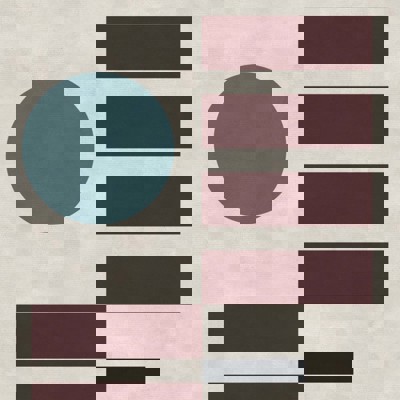
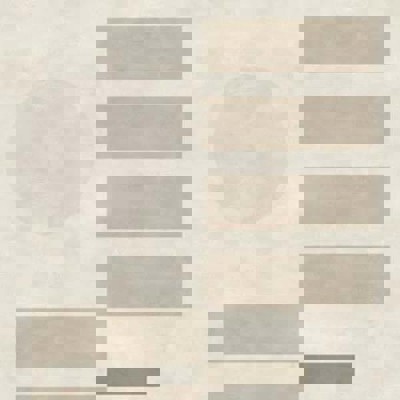
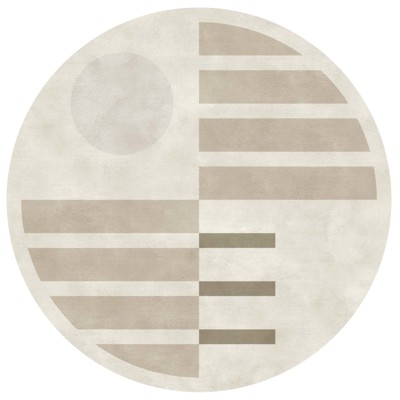
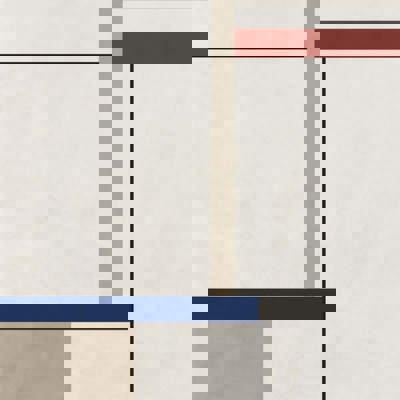
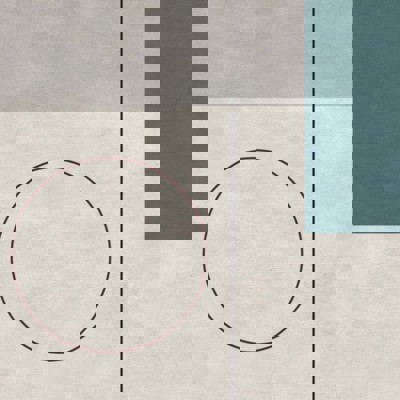
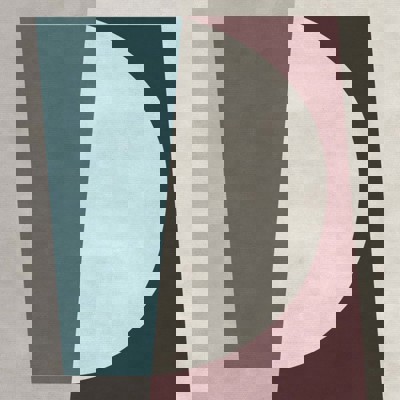
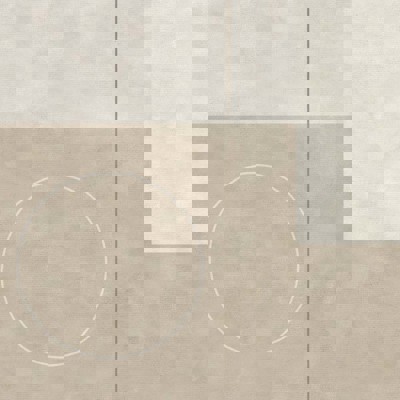
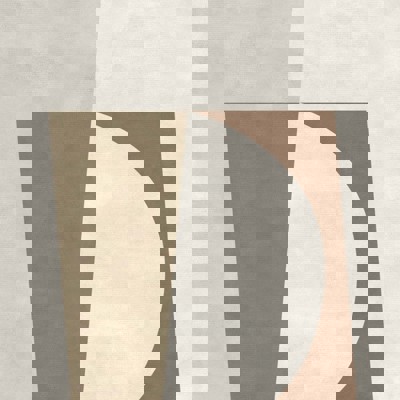
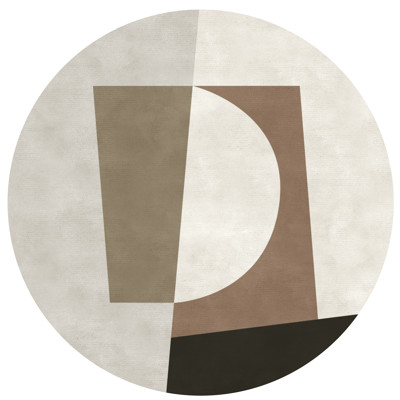
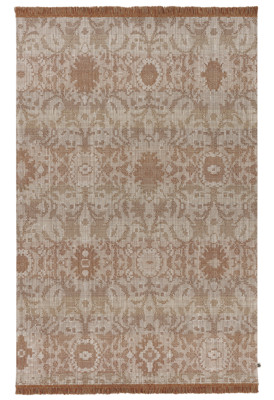
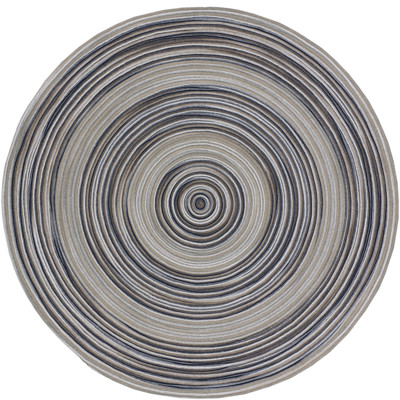
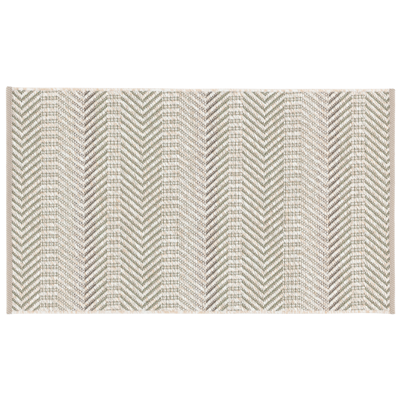
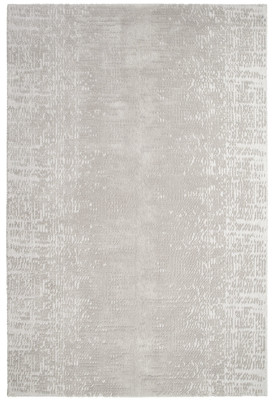
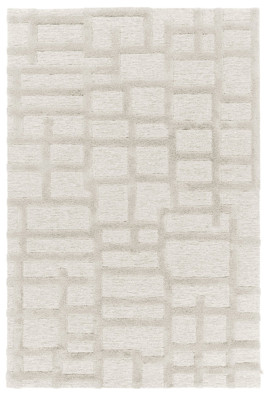
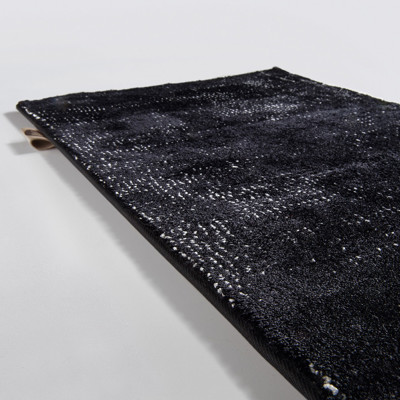
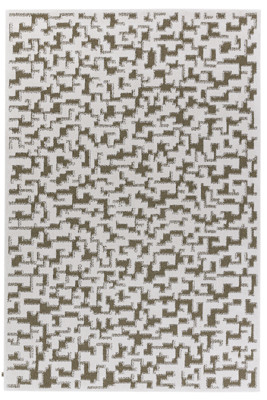
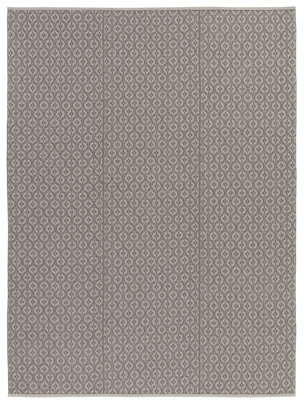
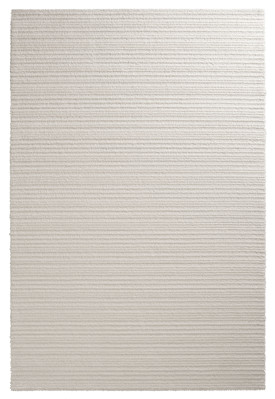
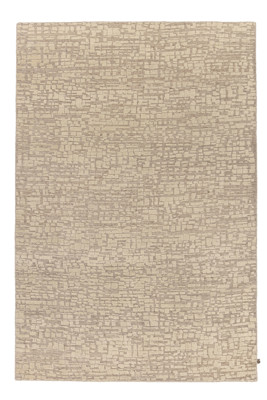
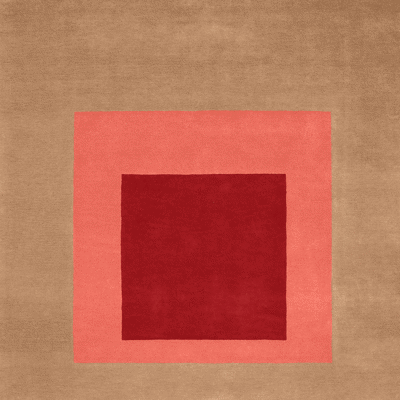
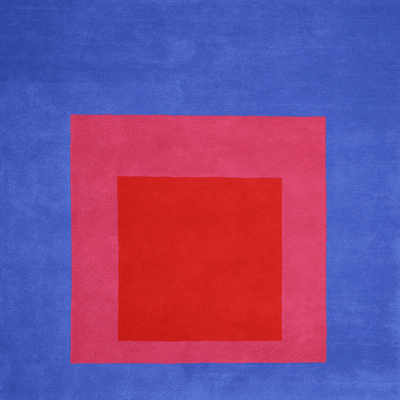
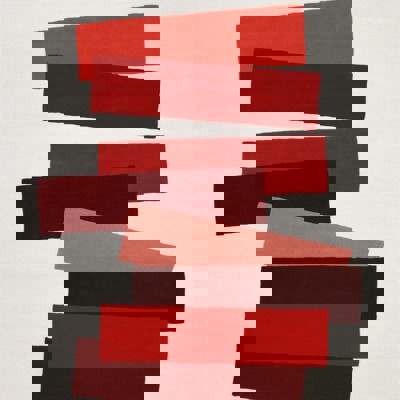
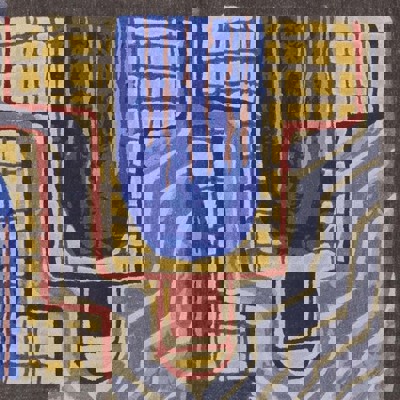
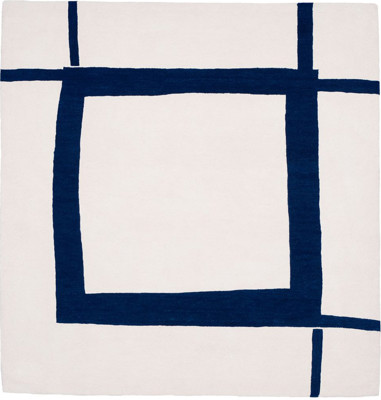
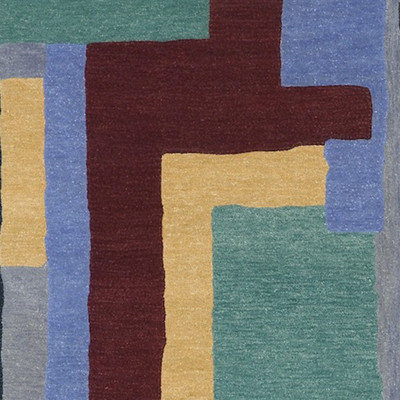
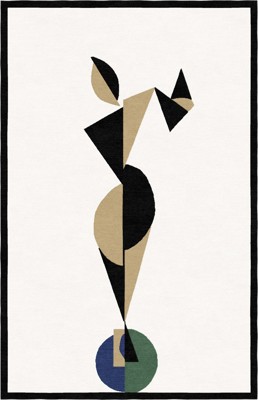
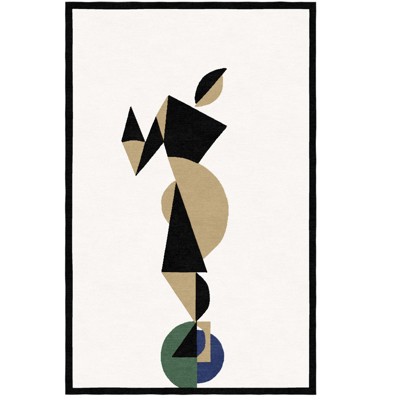
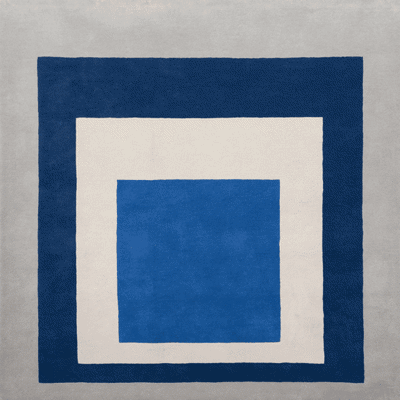
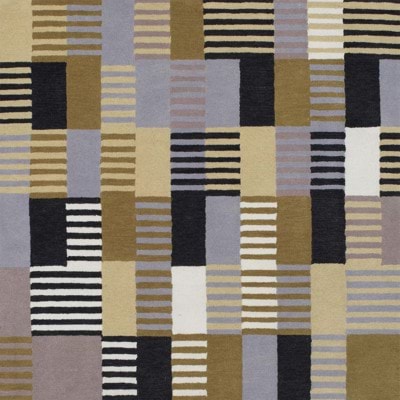
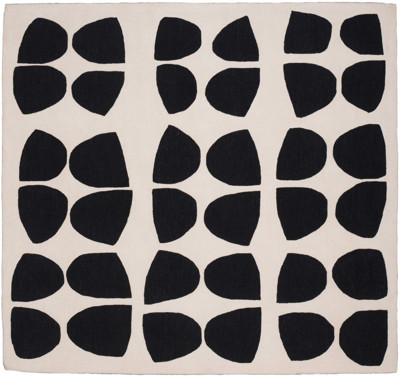
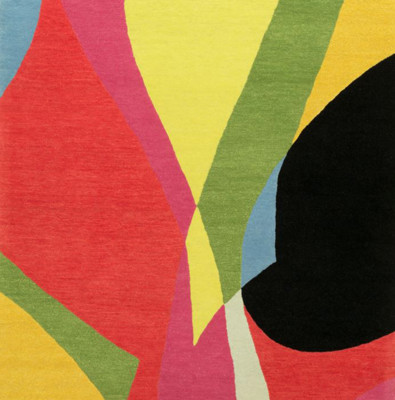
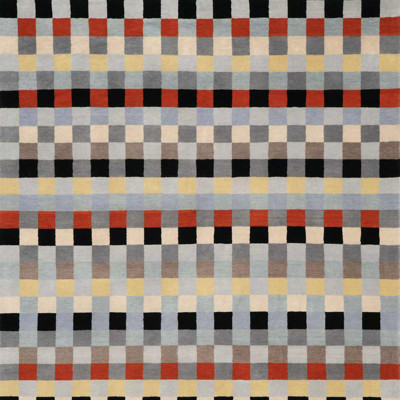
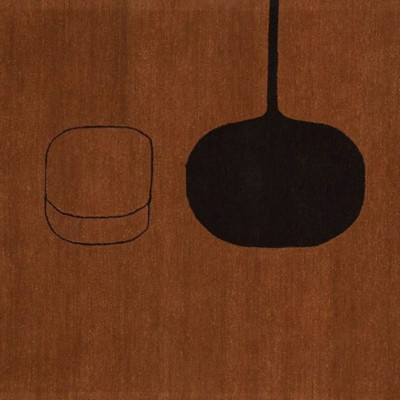
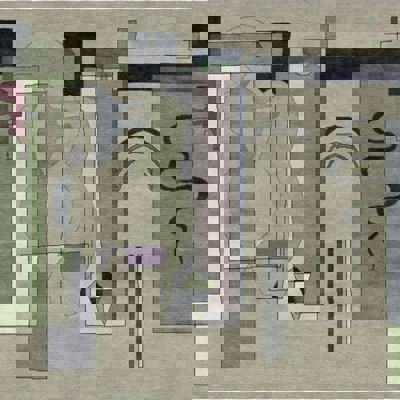
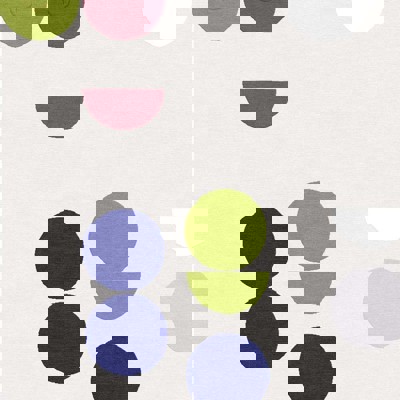
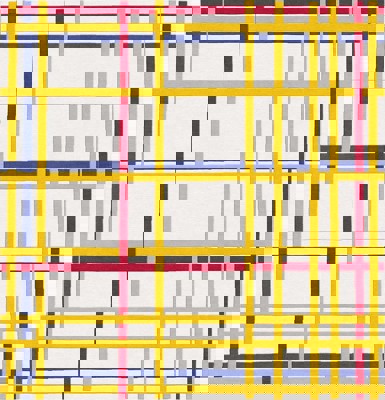
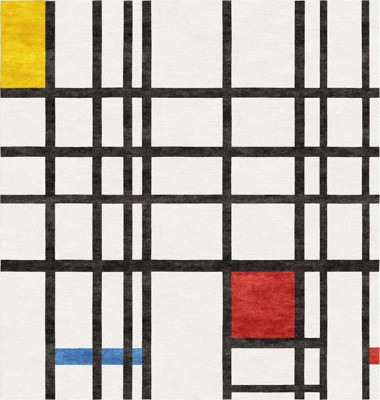
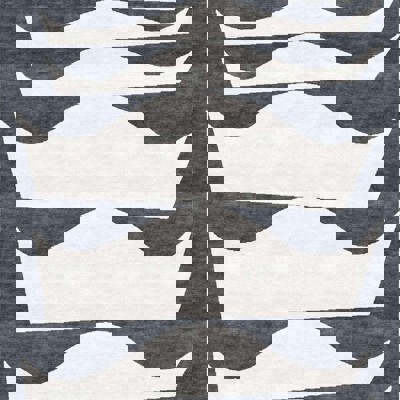
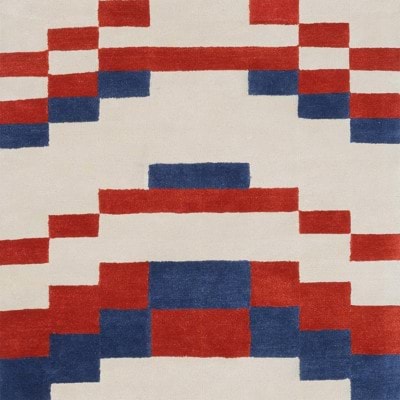
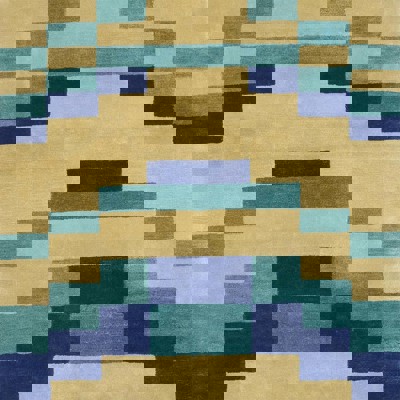
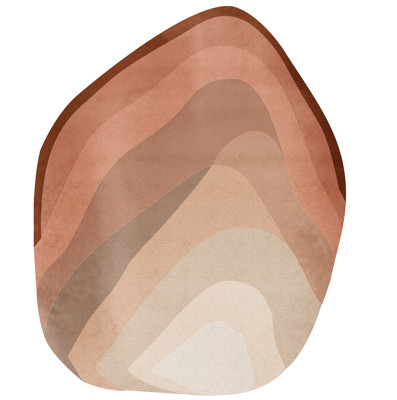
تُعرَّف سجاد باوهاوس من خلال الهندسة والإيقاع ونزاهة المواد. صُممت كعناصر أرضية معمارية، لتنظم الفضاء عبر النسبة الدقيقة والبناء المتقن، مما يخلق توازناً هادئاً وحضوراً زمانياً خالداً في المكان.
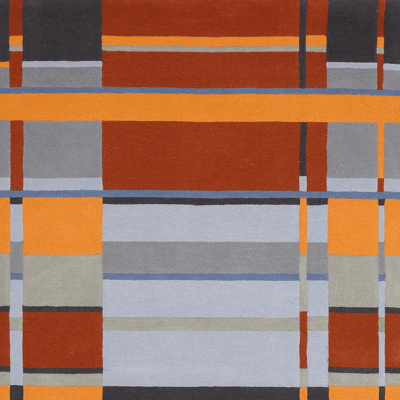
غيرترود أرندت سجادة رقم 2
تم تصميم وصناعة السجادة رقم 2 لغرفة والتر غروبيوس.
The weaving workshop developed material, rhythm and structure with precision. Craft was not ornament, but a method of spatial order shaped through clarity and proportion.
Geometry became movement. Movement became rhythm. Rhythm became structure. The woven surface was not decoration, but part of the architecture of the room.
Highlight
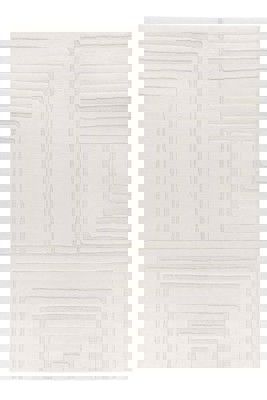
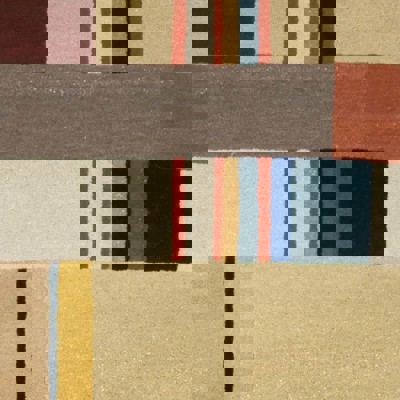
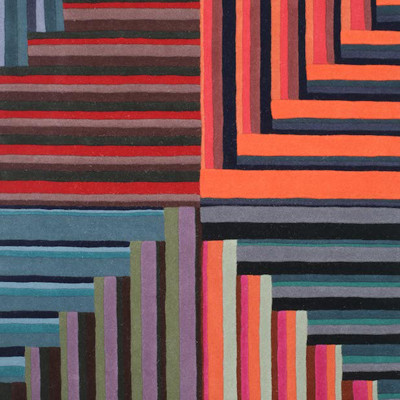
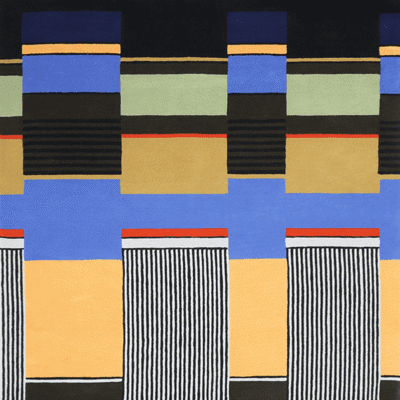
Runner 1922 · Gunta Stölzl
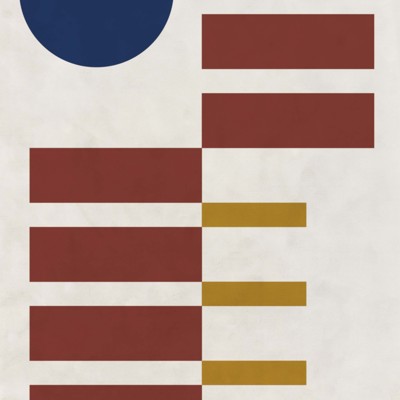
A woven Bauhaus composition shaped by rhythm, proportion and material clarity. Runner 1922 by Gunta Stölzl translates linear movement into a calm, structured surface.
Discover the work of Gunta Stölzl and explore how Bauhaus weaving transformed textile design into a modern language of space.
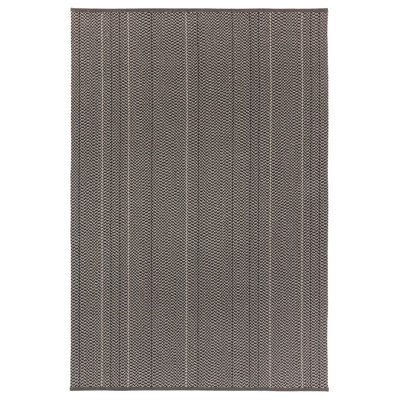
سجادة نانو بجانب المسبح – منسوجة في بلجيكا من الفينيل المعاد تدويره و الألياف الزجاجية. مقاومة للأشعة فوق البنفسجية، متينة، ومثالية للمساحات الداخلية والخارجية.
تجمع تقنية الإنتاج الجديدة هذه التي طورتها ZigZagZurich بين صوف الأغنام الطبيعي غير المبيض والمغسول ببساطة (ذو اللون الداكن أو الفاتح) مع خيوط الحرير المصنوعة…
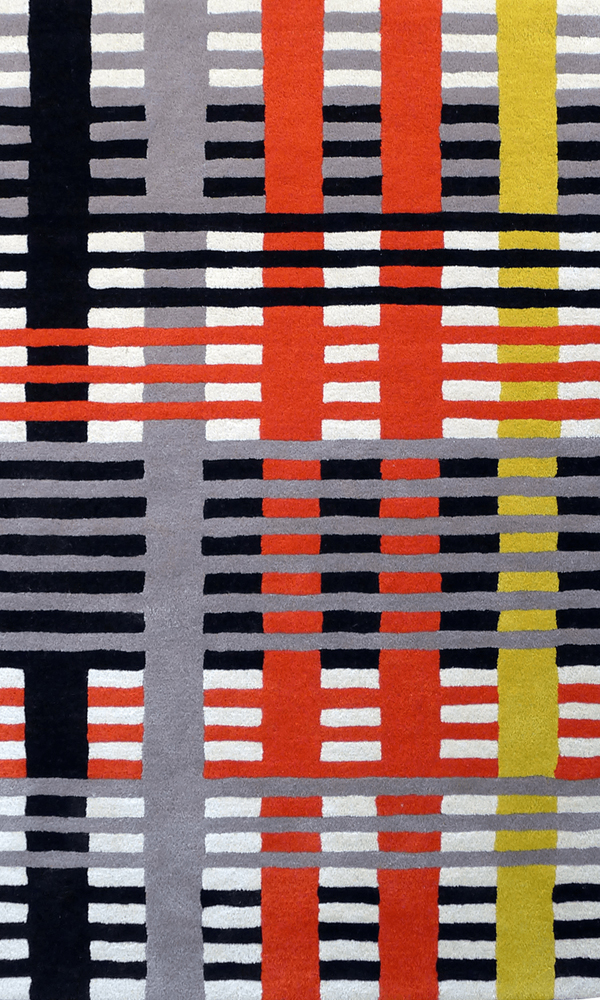
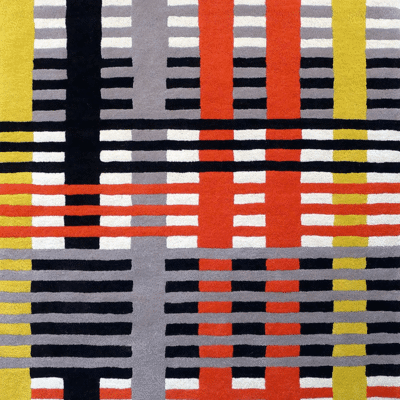
استنادًا إلى تصميم نسيج من تصميم Anni Albers من عشرينيات القرن الماضي ، ابتكر المصنِّع الإنجليزي Christopher Farr Editions هذا النموذج على شكل خيمة في حجمين.
Christopher Farr's carpet masterfully combines modern aesthetics with traditional craftsmanship and preserves the fidelity to the original of each work of art.
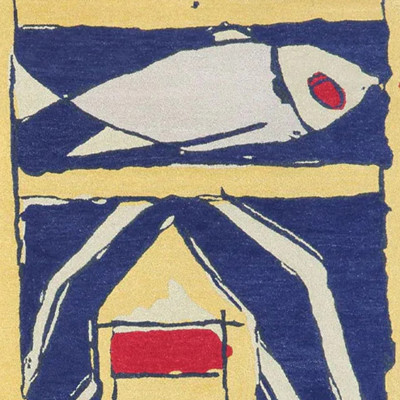
Immerse yourself in the avant-garde art of the Omega Workshops with this exclusive piece, attributed to Duncan Grant or Frederick Etchells (1913-15) – a tribut…
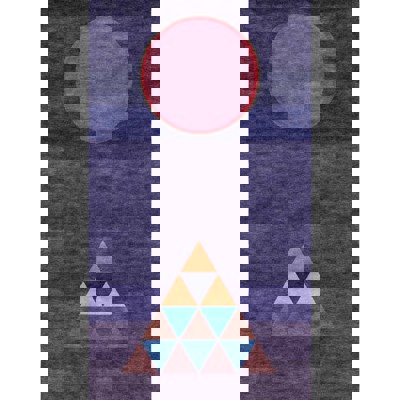
Experience Lara Bohinc's design brilliance with the Solar Rug—an exquisite blend of boldness and lightness, capturing the essence of her iconic Eclipse motif.
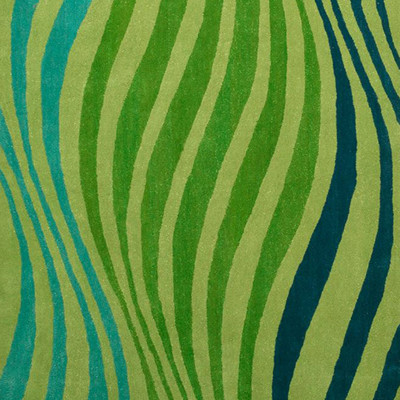
سجادة فيجي - منسوجة بشكل مسطح في بلجيكا من البولي أوليفين المتين. جاهزة للاستخدام في الأماكن الداخلية والخارجية مع نسيج مريح وسحر مستوحى من الجزر الحديثة.
استنادًا إلى تصميم نسيج من تصميم Anni Albers من عشرينيات القرن الماضي ، ابتكر المصنِّع الإنجليزي Christopher Farr Editions هذا النموذج على شكل خيمة في حجمين.
Explore the design brilliance of David Weeks, born in Athens, Georgia, and a master of lighting, furniture, and household products since establishing his New Y…
استنادًا إلى تصميم نسيج من تصميم Anni Albers من عشرينيات القرن الماضي ، ابتكر المصنِّع الإنجليزي Christopher Farr Editions هذا النموذج على شكل خيمة في حجمين.
استنادًا إلى تصميم نسيج من تصميم Anni Albers من عشرينيات القرن الماضي ، ابتكر المصنِّع الإنجليزي Christopher Farr Editions هذا النموذج على شكل خيمة في حجمين.
بمناسبة مرور 100 عام على إنشاء باوهاوس في عام 2019 ، أعاد المصنع الإنجليزي كريستوفر فار إصدار العديد من تصميمات المنسوجات المصنوعة يدويًا من قبل سيد باوهاوس وم…
Bauhaus rugs bring together geometry, material clarity and spatial order in a way that remains highly relevant for contemporary
interiors. Whether described as a Bauhaus rug, Bauhaus carpet,
geometric Bauhaus rug or modern design rug, the woven surface is
not treated as decoration alone, but as part of the architecture of the room.
From the logic of the Bauhaus textile workshop to the discipline of Bauhaus textile design, these rugs connect rhythm, structure and proportion with contemporary
living. This makes them relevant for collectors, architects, interior designers and anyone searching for modern rugs with a stronger
cultural and formal foundation.
Geometry and Structure
Geometry in Bauhaus Rugs
Geometry was one of the clearest visual languages of the Bauhaus. Circle, line, square and grid were not arbitrary motifs, but
systems of order. In geometric Bauhaus rugs, these principles become woven form. Movement
becomes rhythm, rhythm becomes structure, and the carpet becomes a calm architectural surface.
This is what distinguishes a true Bauhaus-inspired rug from generic modern rugs. The strongest Bauhaus rugs are measured, balanced
and spatially aware, making them relevant both for collectors of Bauhaus design and for anyone searching for modern rugs, Bauhaus
carpets or a design rug with historical depth.
Workshop and Method
Bauhaus Textile Design and the Weaving Workshop
The foundation of this language lies in the Bauhaus textile workshop and in the
development of Bauhaus textile design. Here, textiles were understood as systems of density,
movement and structure rather than surface effect.
This is why Bauhaus wool rugs remain essential within the wider category. Natural fibers add
tactile depth, durability and softness, while preserving the material intelligence of the original weaving workshop.
Artists and Influence
Artists Behind the Bauhaus Rug Language
The Bauhaus rug vocabulary cannot be separated from the artists who shaped it. Gunta Stölzl gave the
weaving workshop a structural direction. Anni Albers expanded textile thinking through material
experimentation and architectural clarity.
A modern rug for living room use often has to do more than add softness. It defines
zones, guides movement and introduces order. This is exactly where Bauhaus thinking remains relevant. A rug becomes part of the
room’s structure rather than a decorative afterthought.
Terms such as modern rugs, design rugs, Bauhaus area rug or living room rug often overlap. What makes the Bauhaus version distinct
is the combination of clarity, proportion and material discipline found in Bauhaus area rugs and
Bauhaus style rugs.